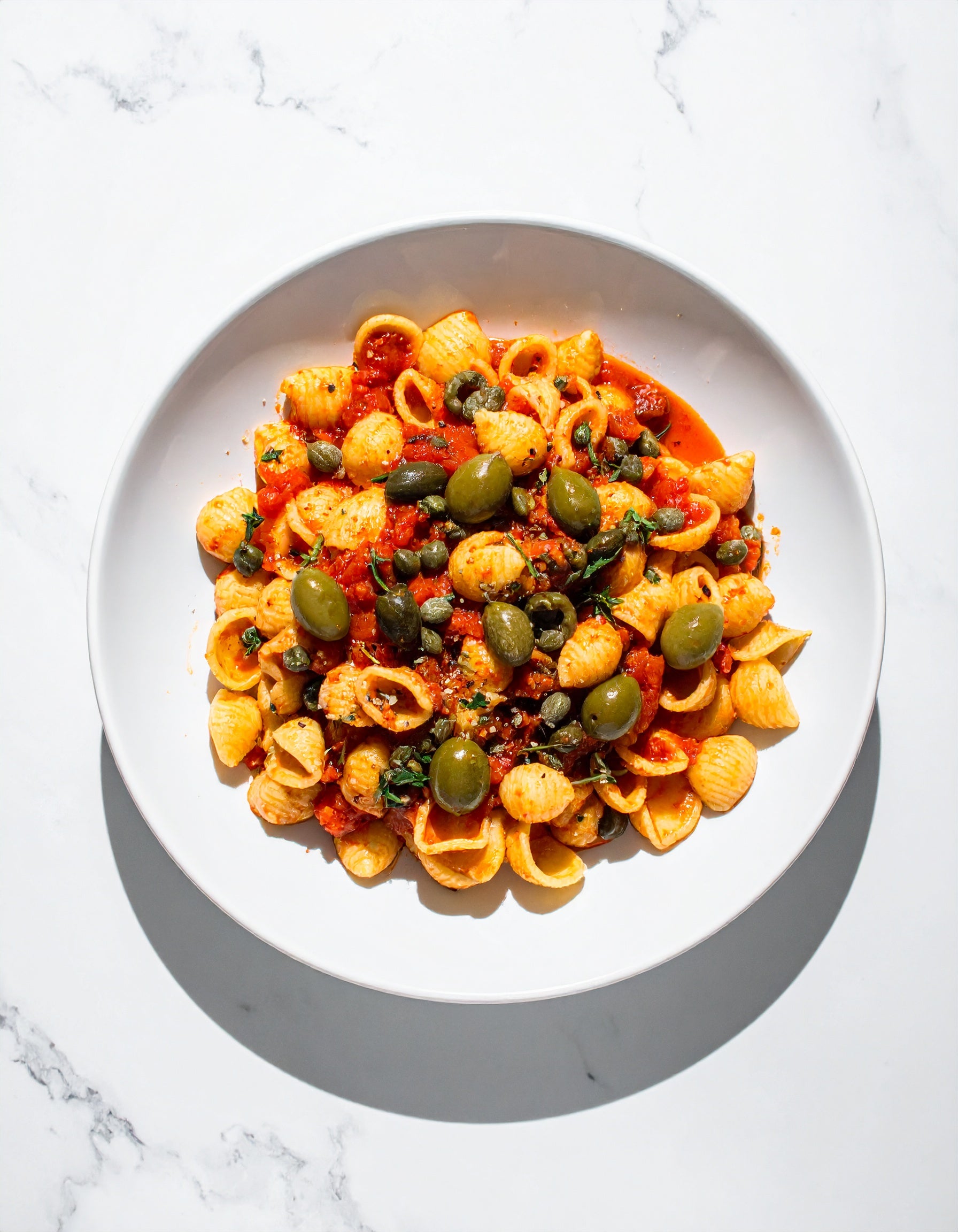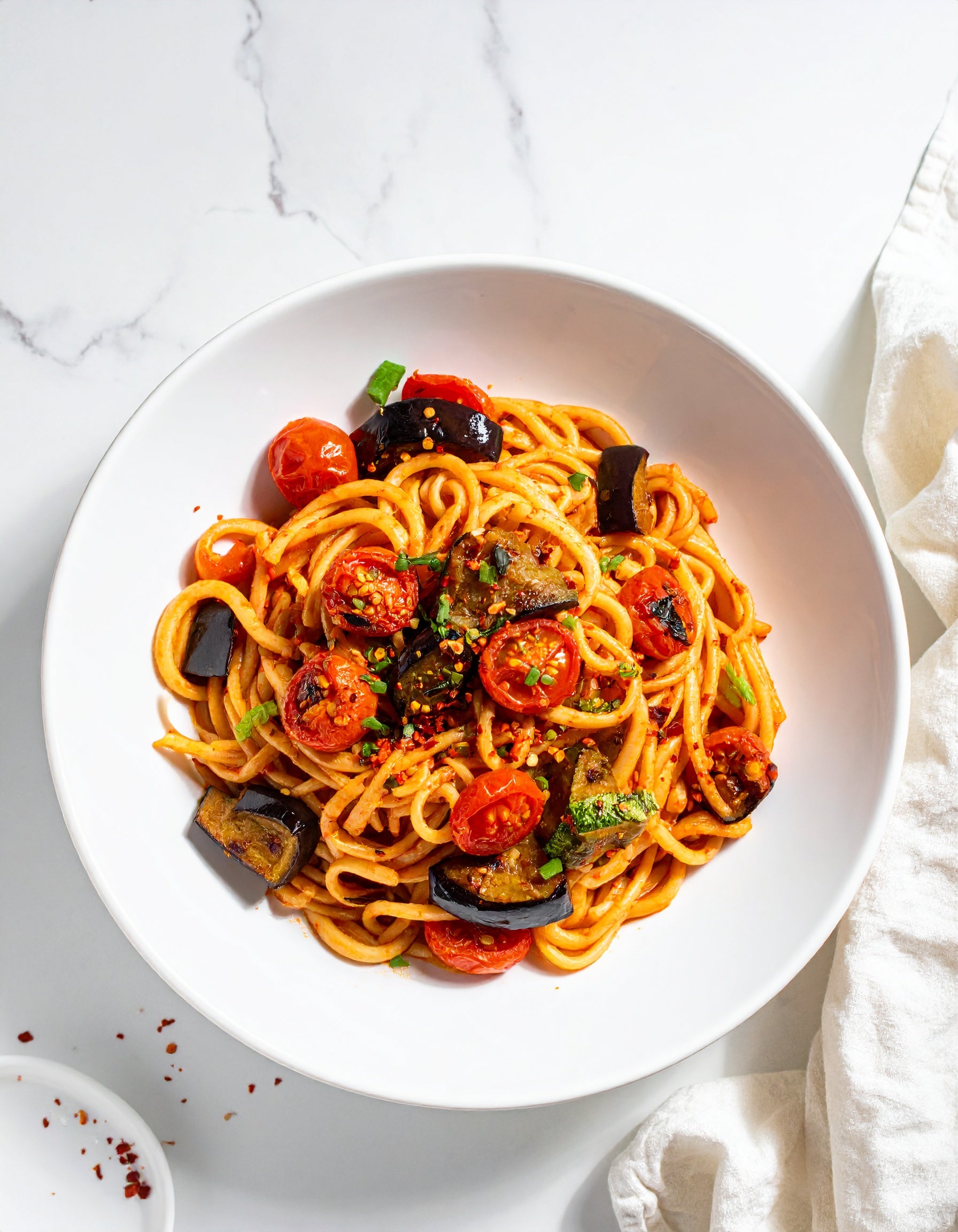
Recipe: Testaroli with olive oil, pecorino, and basil
 The River Valley Where Time Cooks Slowly
In the Lunigiana, the world doesn’t move fast.
It rolls, the way clouds slide across the Apuan Alps.
It breathes, like chestnut forests waking after a night of rain.
And in tiny villages carved into stone hillsides, you can still hear the soft hiss of batter meeting hot cast iron — a sound older than the Renaissance, older than the Middle Ages, maybe older than the idea of pasta itself.
This is the music of testaroli, a dish that doesn’t knead, doesn’t roll, doesn’t behave.
Testaroli begin as a batter — flour, water, salt — poured into a blazing testo, a heavy terracotta or cast-iron lid once buried in embers. The batter cooks into a tender, smoky disc, no thicker than a memory. Once cooled, it’s cut into diamonds, plunged briefly into hot water, and finished with olive oil, pecorino, and basil.
It’s pasta that grew up from bread.
Or bread that shapeshifted into pasta.
Or, more honestly, something that refuses any category you try to give it.
When you toss testaroli with nothing but extra-virgin olive oil, grated pecorino, and torn basil, the dish feels quietly modern — minimalist, grounded, unflashy in its confidence. But its soul remains ancient. It tastes like a time before borders and recipes, before rules, before anyone had the arrogance to define what pasta must be.
Testaroli are the reminder that old doesn’t mean outdated.
It means tested, shaped by centuries, perfected by necessity.
History and origins
Testaroli are often considered one of the oldest pasta-like foods still eaten in Italy — perhaps older than durum-wheat strands of the south, older than kneaded dough entirely. Their ancestry stretches back into the Roman and pre-Roman world, when flatbreads cooked on stones were softened in water to make them easier to digest.
Their name comes from the testo, the heavy terracotta or cast-iron vessel used for cooking. Families guarded their testos like heirlooms. Some were passed down for generations, darkened by smoke, polished by repetition — the original non-stick pan, achieved through time, fire, and stubbornness.
Testaroli flourished in the borderlands between Tuscany and Liguria, where wheat was precious, chestnut flour abundant, and improvisation a way of life. For medieval travellers and shepherds, testaroli were perfect: durable enough to carry, flexible enough to reheat in river water, comforting enough to feel like home.
Today, they sit at the intersection of anthropology, memory, and pure, honest pleasure.
 Ingredients and the land that shapes them
True testaroli rely on three simple things:
- Ancient grains such as Verna, Gentil Rosso, or blends with chestnut flour
- Soft water from the Lunigiana springs — naturally low in minerals
- Intense heat from a cast-iron plate or thick skillet, ideally fire-heated
That’s it.
Everything else is landscape and technique.
The traditional finishing touches, on the Tuscan–Ligurian border, are:
- extra-virgin olive oil (the greener the better)
- pecorino (sharp, savoury, local)
- fresh basil (the Ligurian whisper in the Tuscan woods)
This isn’t a sauce.
It’s geography served warm.
Classic recipe — Testaroli with olive oil, pecorino, and basil
(Serves 4–6)
For the testaroli
- 300 g flour (00 or ancient grains, or a 50% chestnut blend)
- 450–500 ml warm water
- Pinch of salt
- A little olive oil for greasing the pan
For the dressing
- extra-virgin olive oil
- pecorino, finely grate
- fresh basil leaves
- salt, if needed
Method
-
Make the batter.
Whisk flour, water, and salt until smooth — thick enough to coat a spoon, thin enough to pour. -
Heat the pan.
A cast-iron skillet or griddle is your closest stand-in for a traditional testo.
Get it seriously hot. Brush it with a breath of oil. -
Cook the disc.
Pour in enough batter to create a thin pancake.
Cook until bubbles appear and the edges dry. Flip once.
The disc should remain pale, soft, pliable — never crisp. -
Cool and cut.
Let the disc rest on a wooden board.
Once cooled, cut into diamonds or strips. -
Blanch.
Bring salted water to a gentle boil.
Dip the pieces for 20–30 seconds — never more.
Testaroli do not want to cook.
They want to wake up. -
Dress.
Toss gently with olive oil, plenty of pecorino, and torn basil leaves.
Taste. Adjust.
Serve immediately, before the basil loses its perfume.
There is nothing to hide behind — and nothing to fix.
The beauty is in the restraint.

Plant-based alternative — Testaroli with olive oil, basil, and walnut cream
(Serves 4)
Prepare testaroli as above.
Dress with:
- extra-virgin olive oil
- sea salt
- fresh basil
- optional: a creamy walnut sauce (walnuts, garlic, olive oil, water, pinch of salt)
This version feels both ancient and quietly forward-looking — a nod to Ligurian tradition without dairy.
Regional variations and modern echoes
In Pontremoli, testaroli come drenched in walnut sauce, thick, rich, almost spoon-standing.
In Filattiera, olive oil and pecorino rule without compromise.
In Villafranca, the discs are so thick they blur into flatbread.
Some chefs toast the cut pieces after blanching, letting them blister slightly for texture.
Others treat them like open ravioli, topped with mushrooms, truffles, herbs, or wild greens.
Every village insists theirs is the original.
Every village is wrong.
Every village is also right.
That’s how borderland food works
The philosophy of testaroli
Testaroli are the most Tuscan of contradictions:
- humble but profound
- ancient but modern
- simple but ingenious
- rustic but elegant in their own quiet way
They embody Tuscany’s resourceful creativity, pragmatic elegance, unflashy confidence, and absolute devotion to clarity over clutter.
Testaroli ask for nothing more than flour, water, heat, and attention.
What they give back is comfort that feels timeless.
Fun facts and cultural notes
- Some historians believe testaroli predate all other Italian pasta, surviving unchanged from ancient hearth cooking.
- The testo was once so valuable it appeared in marriage dowries.
- In old Lunigiana weddings, testaroli were served before meat — the opposite of “poor food.”
- Chestnut-flour testaroli, when made without wheat, were naturally gluten-free centuries before the concept existed.
- A good testarolo should bend softly; if it cracks, it’s either overcooked or from a baker who didn’t listen to their mother.
- Shepherds once carried cooked discs in their packs and softened them in streams during summer migrations.
- Many families still debate whether basil should be torn by hand or sliced thin. The correct answer? Tear it. Always tear it.