Stories: The Masters of Modern Rome – Five Chefs Who Keep Lazio’s Pasta Alive
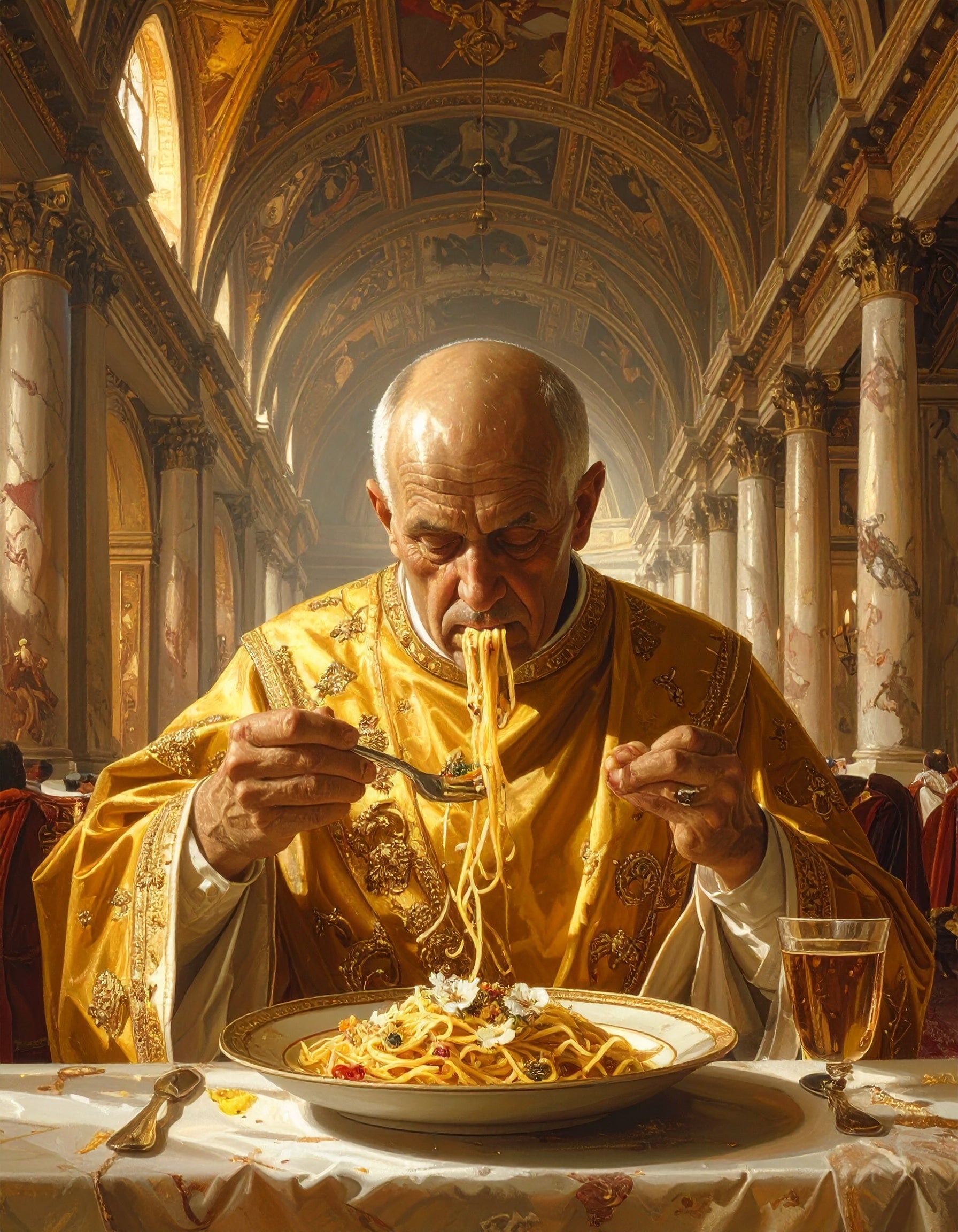
Rome was never meant to be a quiet city. Even its food debates sound like operas: one fork in Cacio e Pepe, another in Carbonara, and someone shouting about the pepper.
But in the last two decades, amid the chaos, something remarkable has happened. The humble dishes once served in tiled trattorie — Amatriciana, Gricia, Arrabbiata — have climbed the marble steps of Michelin dining rooms without losing their soul.
The bridge between the two worlds — the worker’s pan and the chef’s plate — is built by five cooks who understand that pasta, like Rome itself, doesn’t need to change to stay modern. It just needs to keep talking.
They are Heinz Beck, Cristina Bowerman, Luciano Monosilio, Sarah Cicolini, and Francesco Apreda — five chefs, five ways of saying the same thing: that Lazio’s greatest gift to the world is not just a recipe, but a philosophy of balance.
 Heinz Beck – The Architect of Light
If there were ever a temple to pasta, it would be on the top floor of the Rome Cavalieri Hotel, where La Pergola floats above the city like a quiet prayer. Inside, Heinz Beck, a German-born surgeon of flavour, has turned Roman cuisine into geometry.
Beck arrived in Rome in the 1990s, an outsider who saw what Romans had stopped noticing — the discipline beneath their excess. “Pasta,” he once said, “is a structure. You must build it, not improvise it.”
His signature dish, Fagottelli La Pergola, looks like a small golden envelope. Inside: a molten carbonara filling — egg, pecorino, and guanciale essence — that bursts on the tongue like the first morning light hitting a marble dome. The idea was audacious: take the most common Roman dish and turn it into a sensory illusion.
 At first, purists protested. Now, it’s legend.
Beck’s Carbonara doesn’t abandon tradition; it refracts it, like a stained-glass window filtering sunlight into pure colour. He treats pepper like perfume, guanciale like memory, and starch like architecture.
Three Michelin stars later, Beck remains a quiet revolutionary — proof that precision can have emotion, that a dish born in shepherds’ huts can wear a tuxedo and still be sincere.
 Cristina Bowerman – The Rebel of Trastevere
Cross the Tiber into Trastevere and you’ll find Glass Hostaria, glowing like a shard of modernity among cobblestones. Inside, Cristina Bowerman — one of Italy’s few female Michelin-starred chefs — cooks with the mind of a lawyer and the heart of a traveller.
Where Beck seeks clarity, Bowerman seeks conversation. She doesn’t so much cook Roman dishes as argue with them, line by line, as if in court.
Her ravioli di cacio e pepe e limone encapsulates that debate: the filling is classic — Pecorino Romano and black pepper — but it’s lifted by Amalfi lemon zest and served in a broth of smoked butter. One bite and you understand what she’s doing — not disrespecting tradition, but reminding it to stay awake.
Bowerman’s kitchen is a laboratory of contrasts: old versus new, street versus haute, Puglia versus Rome. Yet beneath the experiments lies devotion. She insists that pasta is “the greatest act of Italian democracy” — endlessly adaptable but always recognisable.
She is Trastevere incarnate: colourful, chaotic, intellectual, charming. Her plates speak multiple languages, but always with a Roman accent.
 Luciano Monosilio – The Carbonara King
There are popes of Rome, emperors of Rome, but only one King of Carbonara — Luciano Monosilio.
At his restaurant Luciano Cucina Italiana, near Campo de’ Fiori, the past and future of pasta share the same table.
Monosilio was 27 when he earned his Michelin star at Pipero al Rex, thanks to his scientific yet soulful Carbonara. He tempers yolks to the decimal, grinds pepper by the second, and emulsifies guanciale fat with laboratory precision — and yet the result tastes like your nonna made it on her best day.
What separates him from the hundreds who claim to make “the real thing” is restraint.
He doesn’t invent; he restores. He treats Carbonara as an ecosystem, balancing heat, fat, salt, and time until they hum in unison. “Technique is not ego,” he says, “it’s respect.”
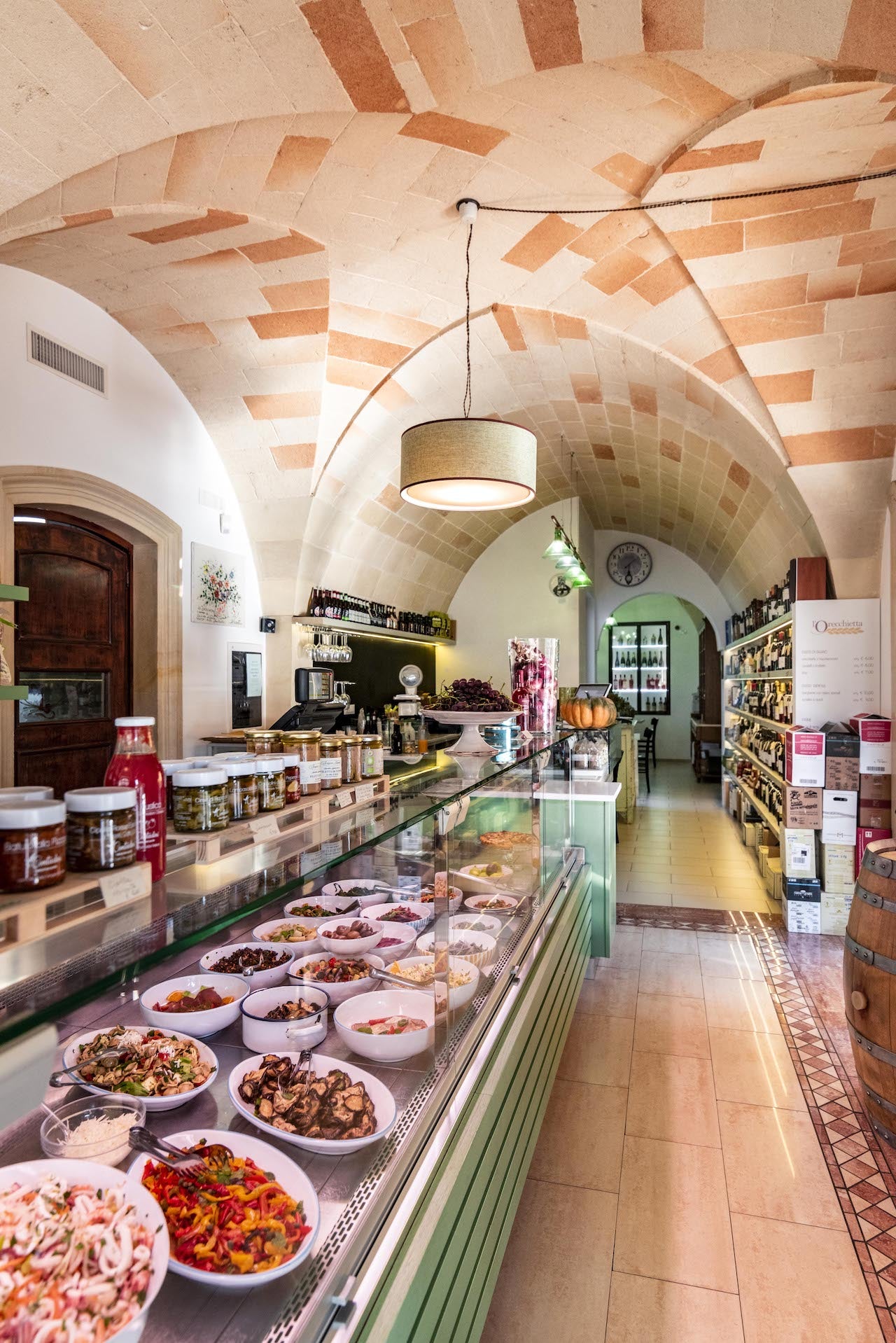
At Luciano Cucina Italiana, the dining room is open, light-filled, informal. You can order pasta by weight — a democratic gesture that echoes Rome’s tavern spirit. The menu lists the canonical four (Cacio e Pepe, Amatriciana, Gricia, Carbonara) like chapters in a law code.
Monosilio’s food reminds Rome of its roots: that genius often hides in simplicity, and that the greatest revolutions sometimes happen at 63 degrees Celsius.
 Sarah Cicolini – The Honest Heart of Santo Palato
If Heinz Beck is the architect and Bowerman the rebel, Sarah Cicolini is the storyteller.
Her restaurant, Santo Palato, sits quietly in Rome’s San Giovanni district — a neighbourhood of butchers, bakers, and the scent of Sunday lunch.
Cicolini’s menu reads like a love letter to the working class: rigatoni alla pajata (calf’s intestines with tomato), fettuccine con frattaglie di pollo (chicken offal), amaretti tiramisù made from her grandmother’s recipe. Yet her flavours are refined, never nostalgic.
She trained in Abruzzo, cooked under modern chefs, but found her voice in Rome’s forgotten vocabulary — the quinto quarto tradition of using every part of the animal.
Her Amatriciana is unapologetically rustic: guanciale thick as your thumb, tomato just reduced enough to cling. She seasons with instinct, not tweezers.
“Roman food isn’t about perfection,” she says. “It’s about truth.”
Cicolini represents a new kind of Michelin-era chef — one who resists the lure of polish, choosing sincerity over spectacle. Her kitchen smells of smoke and pepper, laughter and wine — the kind of place where a philosopher and a plumber could share a plate and both leave happy.
In her hands, pasta is not theatre. It’s testimony.
 Francesco Apreda – The Diplomat of Flavour
High above Piazza Trinità dei Monti, at the elegant Imàgo in the Hassler Hotel, Francesco Apreda turns the city into a backdrop. Through the glass, you see the rooftops of Rome; on the plate, you taste the whole world.
Apreda began his career under Heinz Beck before journeying east — London, Tokyo, Mumbai — where he learned that Roman ingredients could travel too.
When he returned, he brought curiosity home.
His tonnarelli with sesame and smoked soy tastes like Carbonara rewritten in haiku — familiar, but with a whisper of something new. His ravioli of pecorino and cardamom, inspired by his time in India, melts into a peppery butter that feels at once Roman and global.
Apreda believes Rome is “a crossroads, not a museum.” His kitchen proves it. He layers saffron over risone, infuses basil oil into Amatriciana, and turns the logic of Lazio’s flavours — fat, salt, heat, acid — into diplomacy.
Michelin calls him “the master of aromatic precision.”
Rome calls him its ambassador — the man who showed the world that its flavours can travel first class.
Epilogue – The Eternal Conversation
If you follow these five chefs through Lazio, you trace a circle that contains all of Rome: the monk’s patience of Beck, the philosopher’s curiosity of Bowerman, the scientist’s rigor of Monosilio, the farmer’s honesty of Cicolini, and the diplomat’s grace of Apreda.
Together, they prove that pasta is not a relic but a living document — written, erased, and rewritten each day.
They work in different styles, yet speak the same language:
- Fat made intelligent (Beck).
- Tradition made restless (Bowerman).
- Craft made democratic (Monosilio).
- Memory made flesh (Cicolini).
- Identity made porous (Apreda).
Each one turns the old Roman sauces into mirrors — not to see themselves, but to reflect the time they live in.
In their kitchens, guanciale still sighs in the pan, Pecorino still rains like marble dust, and pepper still perfumes the air. But the hands steering those flavours now hold thermometers, tweezers, and smartphones — proof that evolution and reverence can share the same apron.
Rome, after all, has never been afraid of contradiction.
It built empires from them.
The Fork and the Future
In the 1950s, you could walk into a Roman trattoria and hear the whole city talking in sauce: the worker’s pasta e ceci, the priest’s Gricia, the lover’s Arrabbiata.
Seventy years later, in a Michelin dining room, you can still hear it — the same conversation, just with linen napkins and quieter forks.
Because pasta in Lazio isn’t food. It’s philosophy disguised as pleasure.
It teaches patience (in guanciale), discipline (in Pecorino), chemistry (in eggs), rebellion (in peperoncino), and precision (in black pepper).
The chefs simply translate those lessons for a new generation.
Luciano Monosilio measures them; Heinz Beck elevates them; Cristina Bowerman bends them; Sarah Cicolini restores them; Francesco Apreda exports them.
Five voices, one dialect.
And somewhere between Campo de’ Fiori and Monte Mario, between the smoke of guanciale and the gleam of silver forks, the city keeps eating, arguing, laughing — as it always has.
Because in Rome, history doesn’t sit in museums.
It twirls on a fork.