Stories: Campania – The Land That Taught Pasta to Breathe
In Campania, history doesn’t sit in museums — it boils.
Here, food isn’t a relic; it’s alive, steaming, shouting, and singing. Walk through Gragnano, the hill town overlooking the Amalfi coast, and the air itself hums with semolina. You can smell it — the sweet-nutty scent of durum wheat drying slowly in the wind. Locals still call it vento del mare, the breeze that drifts up from the Tyrrhenian, drying pasta just as it did four centuries ago. Every strand carries rhythm, wind, and memory. 🌬️
This is pasta’s true homeland.
Gragnano’s narrow streets were designed for this very purpose: to let air flow evenly through the alleys so that hanging spaghetti and ziti could dry perfectly, neither too fast nor too slow. Even today, modern factories like Pastificio dei Campi, Garofalo, and Faella still use traditional wooden frames and static drying — not because it’s trendy, but because it works.
Campania didn’t invent pasta — but it taught it to breathe.
The DNA of Dough and Soul
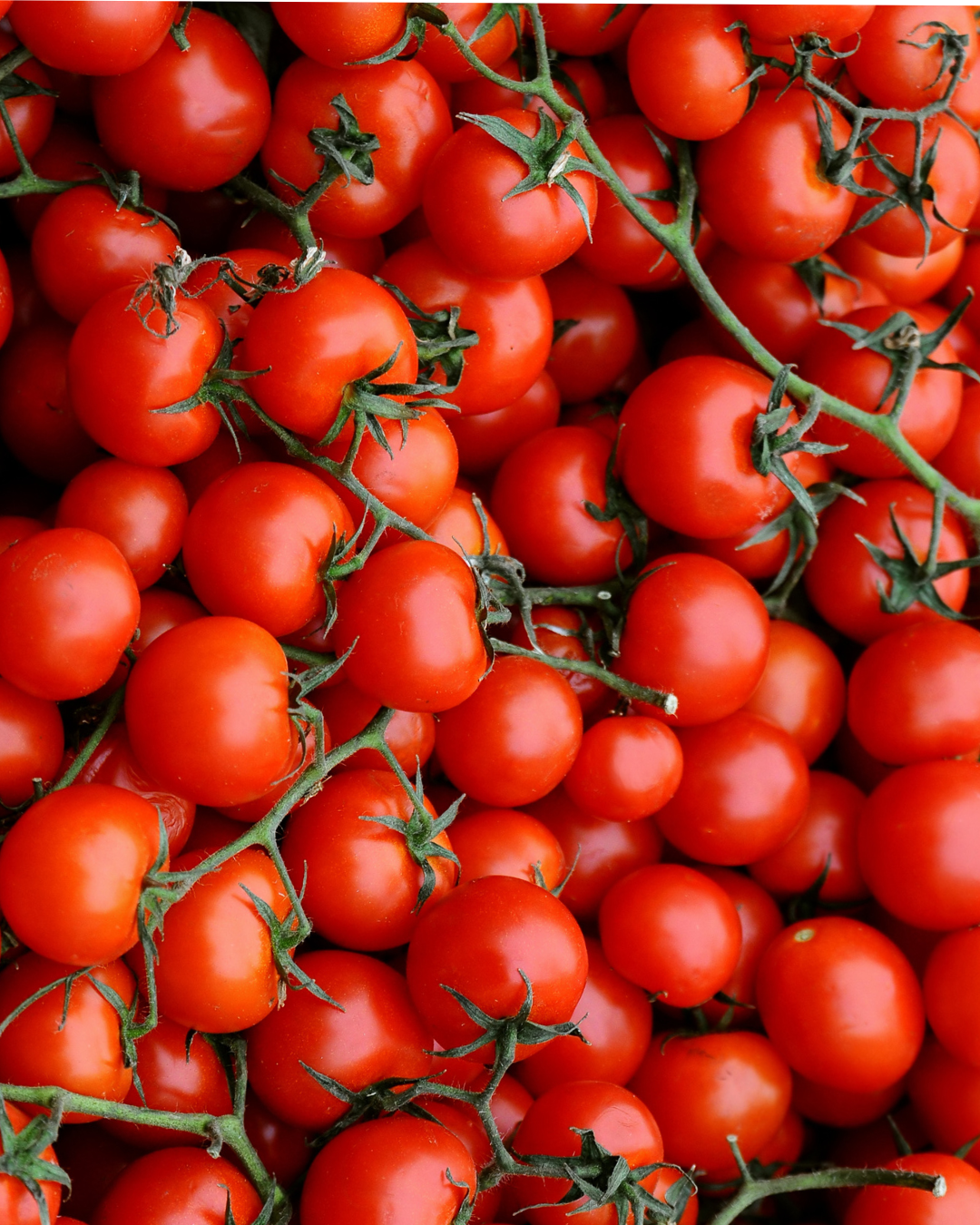
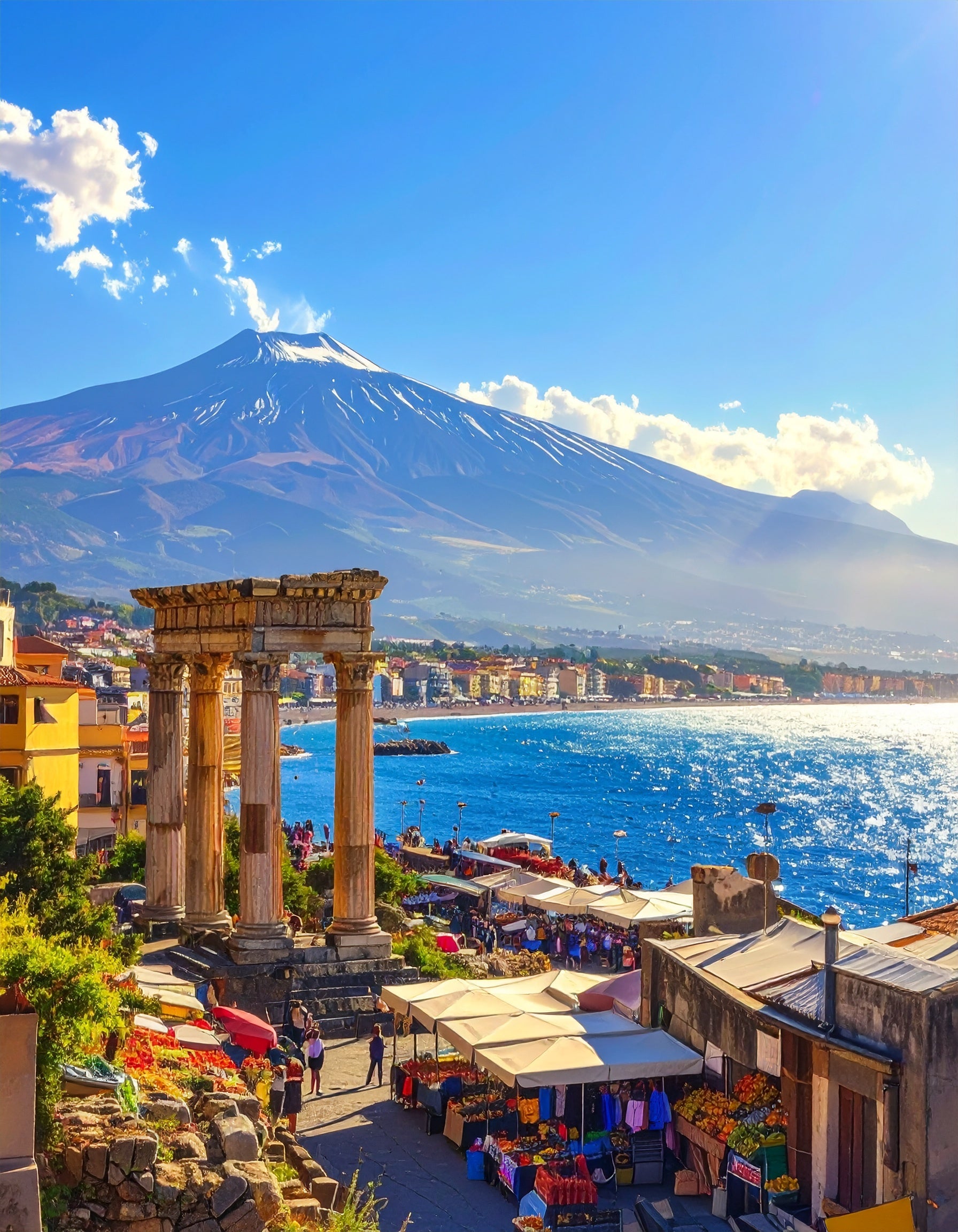
Campania’s genius lies in its balance. Volcanic soil from Vesuvius, sea air from the coast, and a culture that celebrates both poverty and abundance. Here, pasta isn’t just a carbohydrate — it’s an ecosystem. Every plate reflects the territory: wheat from the plains of Capua, tomatoes from San Marzano, olive oil from Cilento, and salt from the sea.
To understand why Campania became the spiritual capital of pasta, you need only look at the way its chefs treat it — not as an ingredient, but as an element, like fire or air.
 Gennaro Esposito — The Poet of Simplicity
At his restaurant Torre del Saracino in Vico Equense, two-Michelin-starred chef Gennaro Esposito has spent decades chasing the soul of a single dish: spaghetti al pomodoro.
For Esposito, this is not “simple food” but a test of honesty. “When you make spaghetti with tomato,” he once said, “there is nothing to hide behind. You are naked.”
His version uses Gragnano pasta cooked with surgical precision and a sauce built from local San Marzano tomatoes — reduced, not rushed. The result is almost meditative: the perfect union of acidity, sweetness, and texture.
Beyond the plate, Esposito collaborates closely with Pastificio dei Campi, studying how starch, humidity, and bronze-die roughness affect sauce adhesion. He turns cooking into research, proving that innovation doesn’t mean complexity — it means depth.

 Peppe Guida — The Innovator Who Broke the Rules
If Esposito is the poet, Peppe Guida is the scientist — or the revolutionary.
At his Michelin-starred Antica Osteria Nonna Rosa, also in Vico Equense, Guida turned a grandmother’s wisdom into a radical technique: pasta senz’acqua — pasta cooked without water.
Instead of boiling the pasta separately, Guida simmers it directly in its sauce. The starch released by the pasta naturally emulsifies with oil and flavour, creating a silky, coherent texture — a revelation that has since influenced chefs across Italy.
Guida’s philosophy is disarmingly simple: no waste, no pretence, just the truth of ingredients. In his YouTube series Pasta e Basta, he teaches viewers how to make classic Campanian dishes like spaghetti con zucchine, pasta e patate, or pasta con i pomodorini del piennolo, each time insisting that pasta must be “as alive as the person who cooks it.”
He represents the heart of Campania: spontaneous, generous, endlessly inventive.

 Lino Scarallo — The Craftsman of Naples
If Guida cooks with instinct and Esposito with poetry, Lino Scarallo cooks with architecture.
As chef of Palazzo Petrucci in Naples, a Michelin-starred restaurant overlooking the sea, Scarallo’s approach to pasta is refined yet deeply Neapolitan.
His famous pasta e patate con provola transforms a humble household staple into velvet. The potatoes are cooked until they nearly dissolve; the provola (smoked mozzarella) adds creaminess; the pasta binds everything together in a silky, golden haze.

Scarallo bridges Naples’s dual identities — the working-class heart and the elegant capital — proving that pasta can be both comfort and couture. His food whispers rather than shouts, but every bite still carries the city’s street rhythm.

Marianna Vitale — The Rebel Voice of Campania
At Sud Ristorante in Quarto, chef Marianna Vitale brings a fiery, female energy to southern tradition.
Her cooking is unapologetically modern but rooted in the past: she’ll pair linguine with colatura di alici (anchovy essence) and citrus zest, or serve mezze maniche with sea urchins and breadcrumbs.
Vitale’s plates look like minimalist art, but taste like the sea and sunlight of Campania. She represents a new generation of chefs who honour pasta’s humility while giving it elegance and emotion.
She often says, “The secret of Campania’s food isn’t nostalgia — it’s freedom.”


Alfonso Iaccarino — The Pioneer of the Coast
Before the others, there was Alfonso Iaccarino — the quiet master who turned Amalfi’s rustic cuisine into international fine dining.
At Don Alfonso 1890 in Sant’Agata sui Due Golfi, he was among the first to place pasta at the centre of haute cuisine. His spaghetti al pomodoro became legend: tomatoes from his own garden, olive oil from his estate, and wheat from trusted farmers.
Decades before “farm-to-table” became fashionable, Iaccarino lived it. His philosophy shaped an entire generation of Italian chefs, proving that authenticity and elegance can share the same plate.
Today, his sons Ernesto and Mario continue the legacy, sending the flavours of Campania to Toronto, Macau, and beyond.

The Air, the Fire, and the Joy
Campania’s relationship with pasta is elemental. The land gives wheat, the sea gives salt, the volcano gives minerals, and the people give passion. That’s why even the simplest dish here tastes like nowhere else on Earth.
To eat pasta in Campania is to feel the wind of Gragnano, the heat of a Neapolitan stove, the laughter from a trattoria table, and the genius of chefs who treat tradition not as a museum but as a living language.
Campania didn’t invent pasta — it taught it to breathe.
And every plate, from a humble bowl of pasta e patate to a Michelin-starred spaghetti al pomodoro, still carries that same DNA: volcanic soil, sea air, and pure joy.
Because here, pasta isn’t a recipe.
It’s a way of life. ❤️🇮🇹
Fun Pasta Facts — Campania Edition
- Gragnano is the only Italian town entirely built around pasta production; its main street was designed to catch the perfect sea breeze.
- IGP Gragnano Pasta is protected by EU law — it must be made with local water and dried slowly at low temperatures.
- Spaghetti al pomodoro, once a poor man’s dish, is now considered the ultimate test of a chef’s skill.
- Paccheri, the wide Neapolitan tube pasta, takes its name from the slap sound (pacchero) it makes against the plate.
- Campania produces more artisanal pasta than any other Italian region — nearly 40 percent of Italy’s total.
In Campania, the past is always simmering somewhere — usually in a pot of water. 🍝