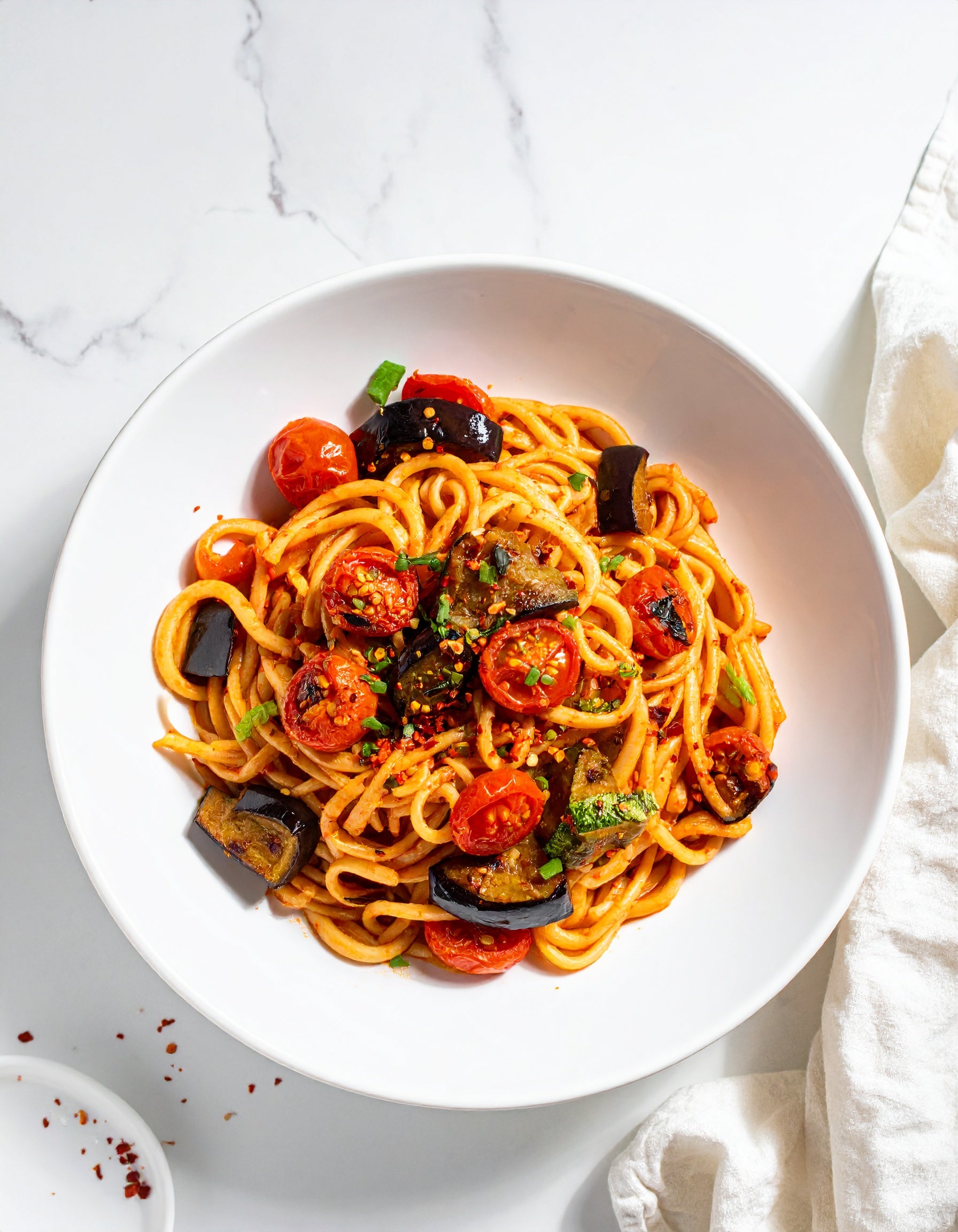
Shapes: Tonnarelli — The Golden Strings
 The Handmade Line Between Past and Present
If bucatini is Rome’s trumpet, tonnarelli is its violin.
It doesn’t shout; it sings — in a low, rough, perfect register of egg and grain. Each strand is square, not round, like the edges of the Roman Forum after centuries of sun. And like the city itself, tonnarelli are handmade contradictions: rustic yet refined, ancient yet eternally new.
Romans often say, “Il tonnarello non si discute.” You don’t argue with tonnarelli. They are what they are: the embodiment of Roman pasta-making at its most tactile — where dough meets hand, and precision meets chaos.
The Birth of a Shape
The word tonnarello comes from tornare, “to turn” — a reference to the way the dough is rolled and cut on a wooden board, then turned over and dusted in semolina to prevent sticking. In dialect, they’re also called spaghetti alla chitarra — named after the tool that gives them life: the chitarra, a wooden frame strung with thin wires like a guitar.
The technique likely traveled from Abruzzo, where the chitarra was born, but it was in Rome and the Castelli Romani that the shape found its voice. The Romans added egg yolks, giving the pasta a golden hue and firmer bite — a reflection of the region’s abundance. Lazio’s hens, fed on grain and scraps, produced deep yellow yolks, the color of imperial mosaics. That golden tone became the hallmark of the Roman fresh pasta tradition.
If bucatini was born for the field and the worker, tonnarelli was made for Sunday — for family tables, for the trattoria’s hand, for the moment when flour and yolk became joy.
Egg, Hand, and Wood
To make authentic tonnarelli, you need almost nothing — and absolute focus. The dough is simple: flour and eggs, sometimes with a pinch of salt, nothing more. But simplicity in Roman cooking is deceptive; every detail matters.
The flour is usually semola rimacinata di grano duro — finely re-milled durum semolina. It gives elasticity and that characteristic golden bite. The eggs must be fresh, ideally at room temperature, so their proteins bind gently with the gluten. Too cold, and the dough cracks; too hot, and it becomes rubber.
Then comes the sfoglia — the sheet. Rolled thick by hand, it’s laid on the chitarra, a wooden frame stretched with parallel wires. With a single push of a rolling pin, the sheet is pressed against the strings. The result: perfect square strands, about 2–3 mm wide, slightly rough on the surface where they’ve touched the wire.
When lifted, they hum faintly — like strings plucked by an invisible musician. Hence the nickname: the pasta that sings.
The Shape of Flavor
That square edge makes all the difference. Round pasta glides; tonnarelli grip. The angles catch sauce like a spoon catches broth. Their texture amplifies everything — cheese, pepper, oil, even air.
And because they’re thicker and more porous than spaghetti, they demand sauces with body and fat. The quintessential pairing is Cacio e Pepe, the simplest and most sacred of Roman dishes. Just three ingredients — pasta, pecorino romano, and black pepper — yet infinite debate.
In the hands of a Roman, tonnarelli become a vessel for philosophy. The goal is mantecatura: the moment when starch, cheese, and water emulsify into one glossy, living sauce. It’s the same word Romans use for relationships — to blend, to become inseparable. You swirl, you coax, you trust the heat and timing.
If it fails, the cheese clumps and the sauce breaks. If it succeeds, the result is pure alchemy — the sound of the fork against the pan, the scent of toasted pepper, the shine of melted pecorino clinging to golden ribbons.
No other pasta can do this as tonnarelli can. Its square shape provides the micro-texture that keeps the emulsion stable. Each groove acts like a tiny anchor for the cheese. That’s why true Roman chefs insist: Cacio e Pepe si fa solo coi tonnarelli.
 From Tavola to Trattoria
The first trattorie to codify tonnarelli as the pasta of Rome appeared in the early 20th century, in the working-class districts of Testaccio and Trastevere. These were neighborhoods of butchers, porters, and carpenters — people who valued food that filled and comforted.
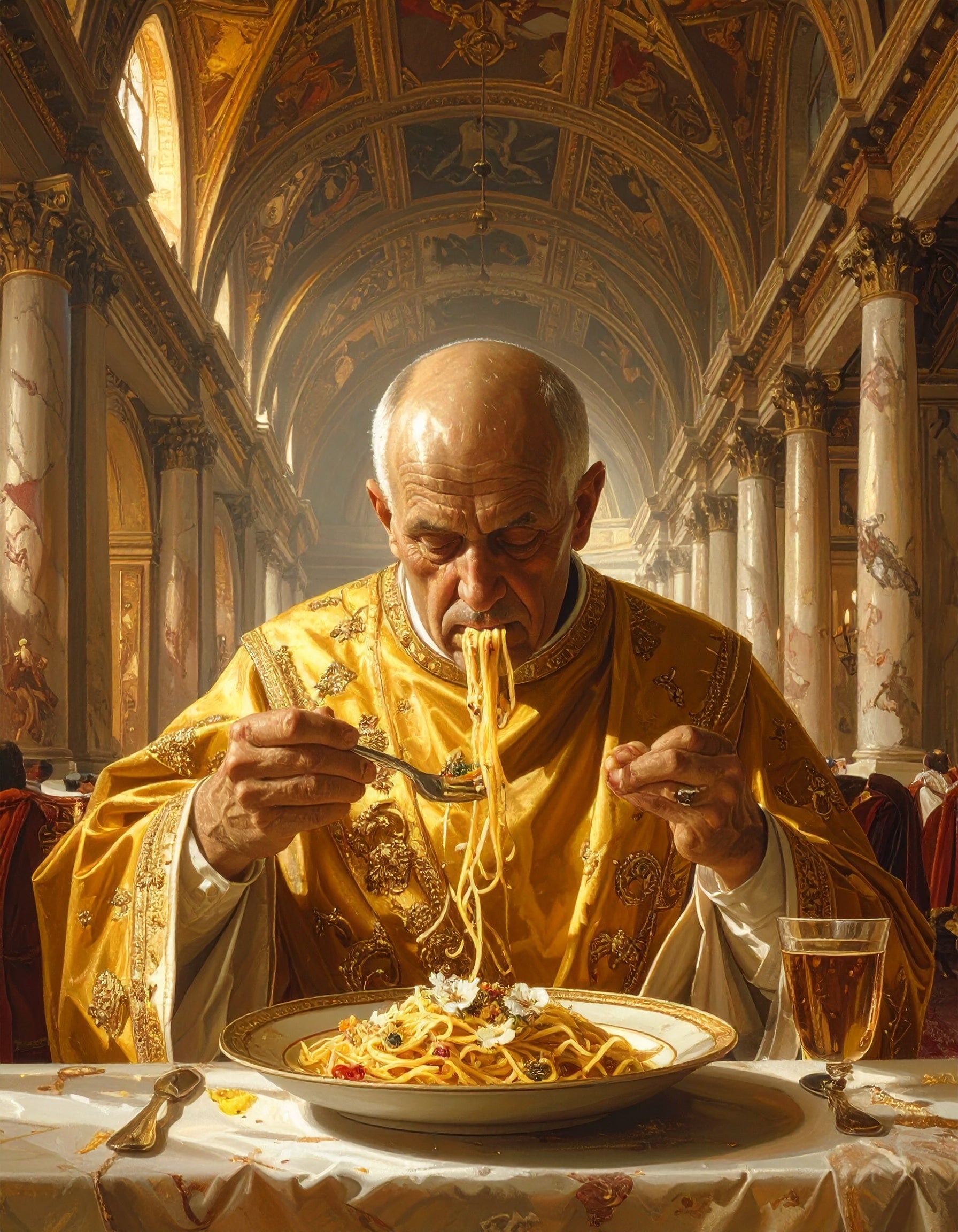
At Felice a Testaccio, one of Rome’s most famous osterie, the ritual of Cacio e Pepe is theatre. The pasta arrives plain, the waiter cracks pepper and rains pecorino directly at the table, then stirs with a flourish. The whole trattoria falls silent for a second, watching the transformation. It’s not a gimmick — it’s religion.
Elsewhere, in Trattoria Da Cesare al Casaletto, tonnarelli appear with other sauces: alla Gricia (the mother of Amatriciana), alla Carbonara, or simply burro e salvia on quieter days. Each preparation respects one rule: the sauce must cling, not coat.
The Geometry of the Roman Hand
There’s a peculiar intimacy to tonnarelli. Unlike factory-made spaghetti, which can be extruded by machine, tonnarelli are a hand’s fingerprint. Every maker leaves a mark: a thicker edge here, a rougher patch there, a tiny variance that reveals the person behind it.
This is why Roman cooks insist on rolling by feel, not by measure. The dough must speak back. If it’s too dry, it cracks under the chitarra; if too wet, it collapses through. The perfect dough sighs as it’s pressed — pliant yet strong, like silk under tension.
In the Castelli Romani, where volcanic humidity challenges every baker, families still hang tonnarelli across broom handles near open windows to dry for a few hours before cooking. The air from the Alban Hills carries faint traces of grape must and pine, which, locals swear, gives the pasta a sweetness no factory can replicate.
Beyond Cacio e Pepe
Though Cacio e Pepe is its most famous partner, tonnarelli are a shape of endless hospitality. They welcome everything that speaks of Rome’s landscape:
- Tonnarelli alla Carbonara — rich with guanciale and yolk, the strands glistening like Roman gold.
- Tonnarelli ai Carciofi — tossed with sautéed artichokes, garlic, white wine, and mint — a springtime miracle.
- Tonnarelli con Alici e Pangrattato — a coastal variation from Gaeta, where anchovies and breadcrumbs form a humble sea perfume.
- Tonnarelli con Funghi Porcini — from the Cimini hills north of Rome, dense and earthy.
Each dish proves tonnarelli’s duality: rural ingredients refined by Roman technique. Where other regions choose between elegance and honesty, Lazio embraces both.
A Roman Metaphor
The square shape isn’t just physical — it’s philosophical. Romans have always valued spigoli, edges. They like things that bite back: peppery greens, sharp cheeses, direct conversation. Tonnarelli mirror that character. They’re straightforward but never dull, structured but never stiff.
Even linguistically, the diminutive “-elli” softens the form — affectionate, familiar, like calling a friend Paoluccio. You don’t eat tonnarelli; you befriend them.
The Modern Revival
In today’s Rome, the shape has transcended nostalgia. Chefs across the city reinterpret tonnarelli with new ingredients, proving that tradition isn’t a museum — it’s a living dialogue.
At Roscioli Salumeria, Alessandro Roscioli uses tonnarelli for a luxurious Cacio e Pepe with three aged pecorinos, each melted at a different temperature to achieve symphonic depth.
At Glass Hostaria, Cristina Bowerman combines tonnarelli with squid ink and lime for a black-and-gold contrast that mirrors the city’s chiaroscuro.
At Retrobottega, Alessandro Miocchi and Giuseppe Lo Iudice use heirloom grains and eggs from free-range hens to create tonnarelli that taste like sunlight and soil.
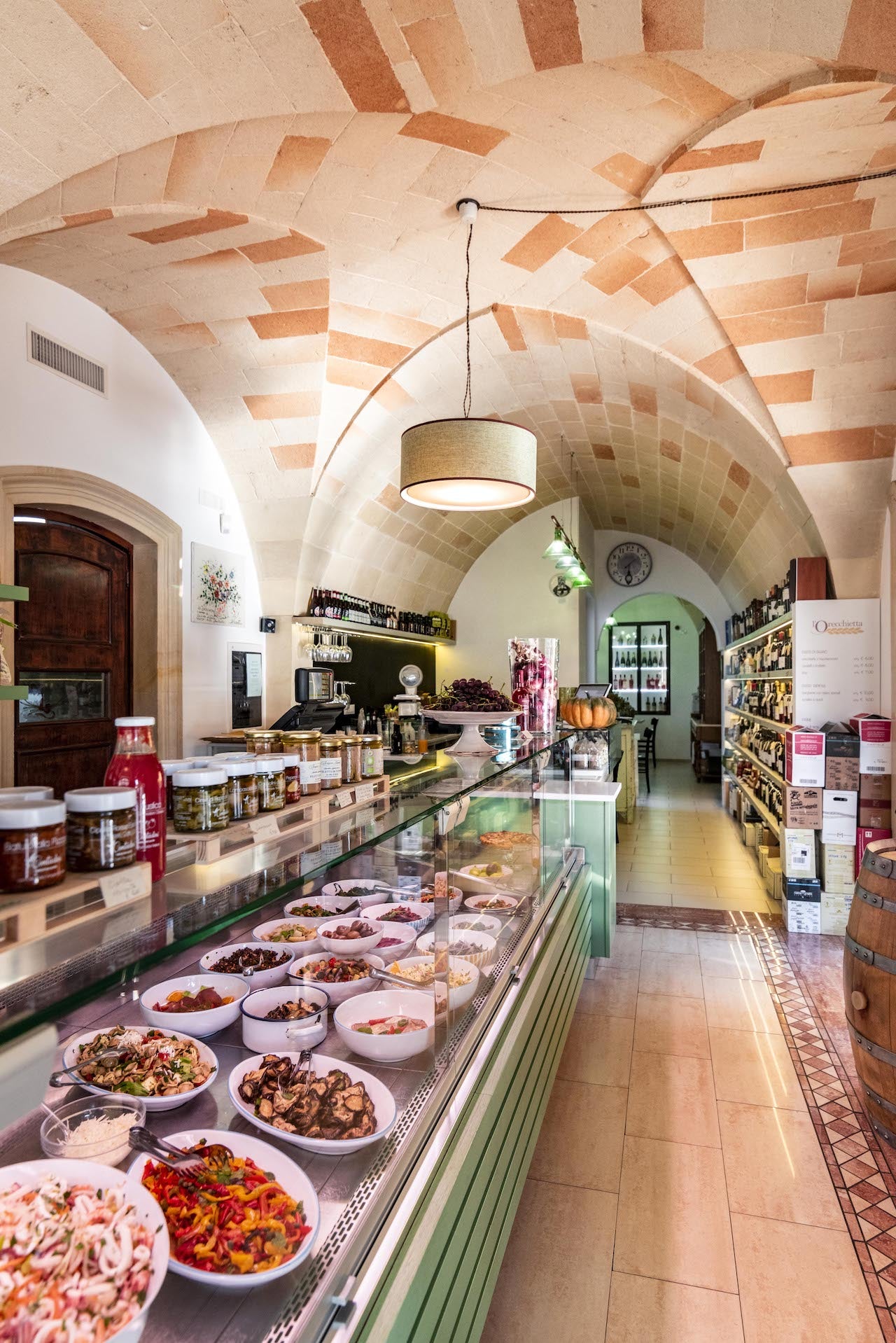
Even outside fine dining, artisans like Pastificio Secondi and Pasta Fresca Pio in the Esquilino district sell hand-cut tonnarelli daily, coiled into small nests dusted with semolina — edible reminders that craftsmanship still matters in an industrial world.
Science in the Sauce
What makes tonnarelli scientifically ideal for cheese-based emulsions? Two things: surface roughness and cross-section.
The square geometry increases the total contact area by roughly 15% compared to a round strand of similar diameter. That means more points for cheese and fat to bind. Meanwhile, the uneven micro-fibres left by the chitarra wires create tiny capillaries that trap starch water. When tossed vigorously, those capillaries release starch gradually, forming a stable emulsion.
In short: tonnarelli don’t just carry sauce — they create it. They are the machinery of mantecatura itself.
Tonnarelli vs. Spaghetti alla Chitarra
Some culinary purists debate whether tonnarelli and spaghetti alla chitarra are the same thing. The answer, as always in Italy, depends on geography.
Abruzzesi will tell you their spaghetti alla chitarra is made with semolina and water, no eggs — a mountain pasta, sturdy and pale. Romans, by contrast, insist on eggs, yielding a richer, golden dough. The technique is the same, but the soul is different.
Where Abruzzo’s chitarra is survival, Rome’s tonnarelli is celebration. You can taste the prosperity, the city’s appetite for pleasure, the papal influence that once demanded opulent meals even during Lent. It’s pasta as art, not ration.
Cultural Footnotes
- The first written mention of tonnarelli in Rome appears in an 1874 kitchen ledger from the Vatican, where it was served with butter and pepper to visiting bishops.
- According to Gambero Rosso, the perfect tonnarello should measure 2 mm by 2 mm, “like the edge of a gold coin.”
- In the Roman dialect, tonnarello is also used metaphorically for someone “square but reliable.”
- The wooden chitarra is considered so emblematic that some wedding dowries in Lazio still include one, symbolising harmony — two sides, many strings, one sound.
Where to Eat Tonnarelli Like a Roman
- Felice a Testaccio — for the canonical Cacio e Pepe table-side ritual.
- Osteria da Fortunata — where you can watch nonnas cutting tonnarelli by hand all day near Campo de’ Fiori.
- Trattoria Da Cesare al Casaletto — for a creamy Carbonara that honors both tradition and indulgence.
- Roscioli Salumeria — for the elevated, three-cheese interpretation.
- Osteria Fernanda — for a contemporary pairing with wild herbs and citrus oil.
Each place treats tonnarelli not as mere pasta, but as heritage — edible archaeology preserved in motion.
Fun Facts & Roman Wit
- Romans never wash the chitarra. They simply dust it off — the oils of years past are said to “season” the sound.
- The plural “tonnarelli” often becomes “i tonnarelli” in Roman slang to mean “the essentials.” When someone says, “Andiamo ai tonnarelli,” they mean, “Let’s get to the heart of it.”
- In 2023, a viral TikTok from Osteria da Fortunata showed nonna Adele rolling tonnarelli by hand; within days, queues wrapped around the block. Rome had exported its rhythm once again.
- A superstition claims that if your tonnarelli break in the pot, someone in the family is about to visit unexpectedly — so Romans quietly welcome broken noodles as good luck.
Closing — The Geometry of Love
Tonnarelli are proof that simplicity is Rome’s greatest sophistication.
They’re nothing but egg and grain, yet in that union lies the entire Roman worldview: balance, confidence, and joy that refuses polish.
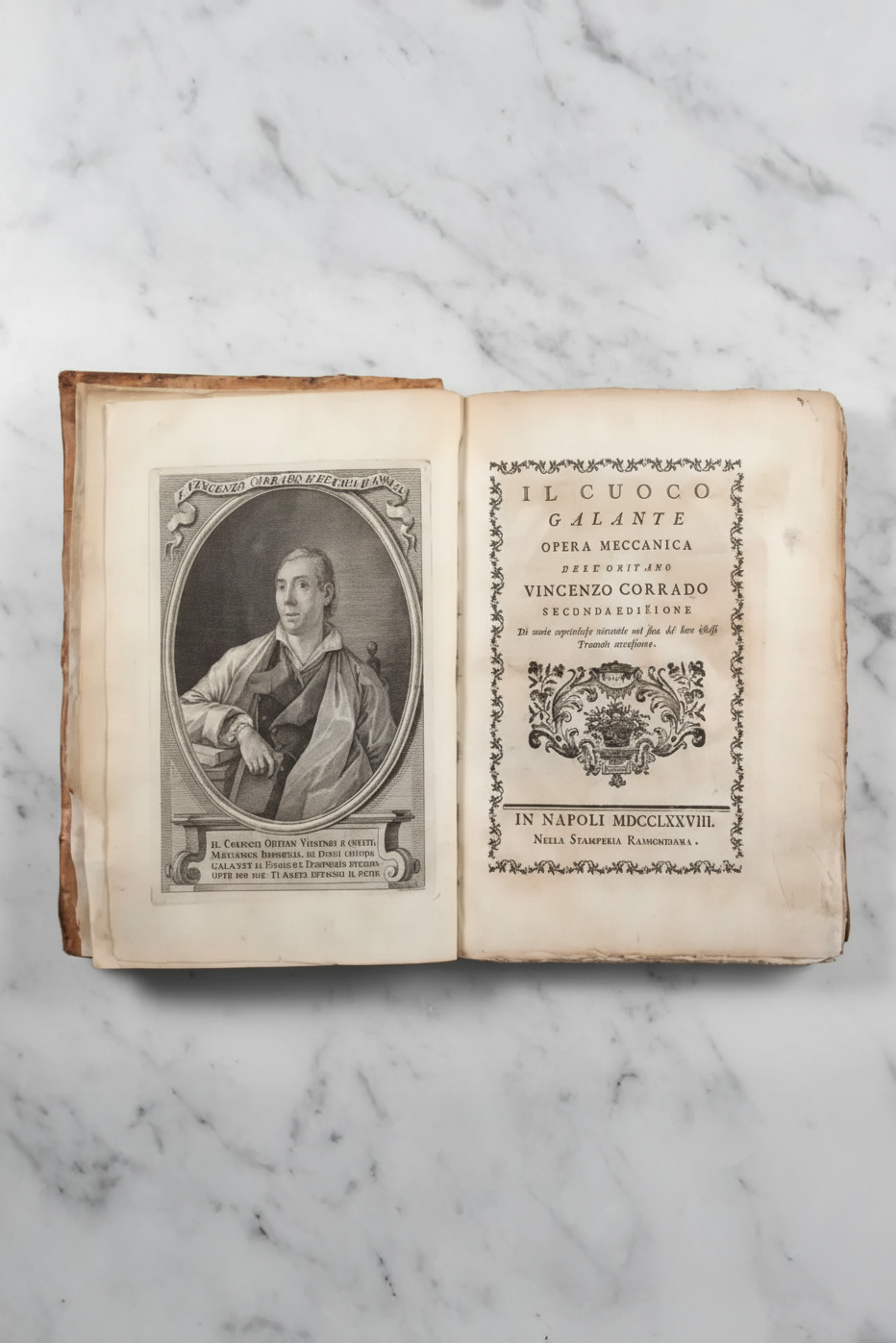
Watch a Roman nonna roll them out, and you’ll see centuries in motion — the same gestures Scappi’s cooks once made in papal kitchens, the same rhythm that echoes in today’s Michelin-starred restaurants.
In the end, the secret isn’t in the flour or the egg, but in the patience between them. Each strand carries a memory, a pause, a promise that when life gets complicated, the answer might still be as simple as flour, water, and a steady hand.
Tonnarelli are more than a pasta shape. They’re a line — drawn by hand — between who we were and who we still are.