Shape: Umbricelli

What Umbricelli Is
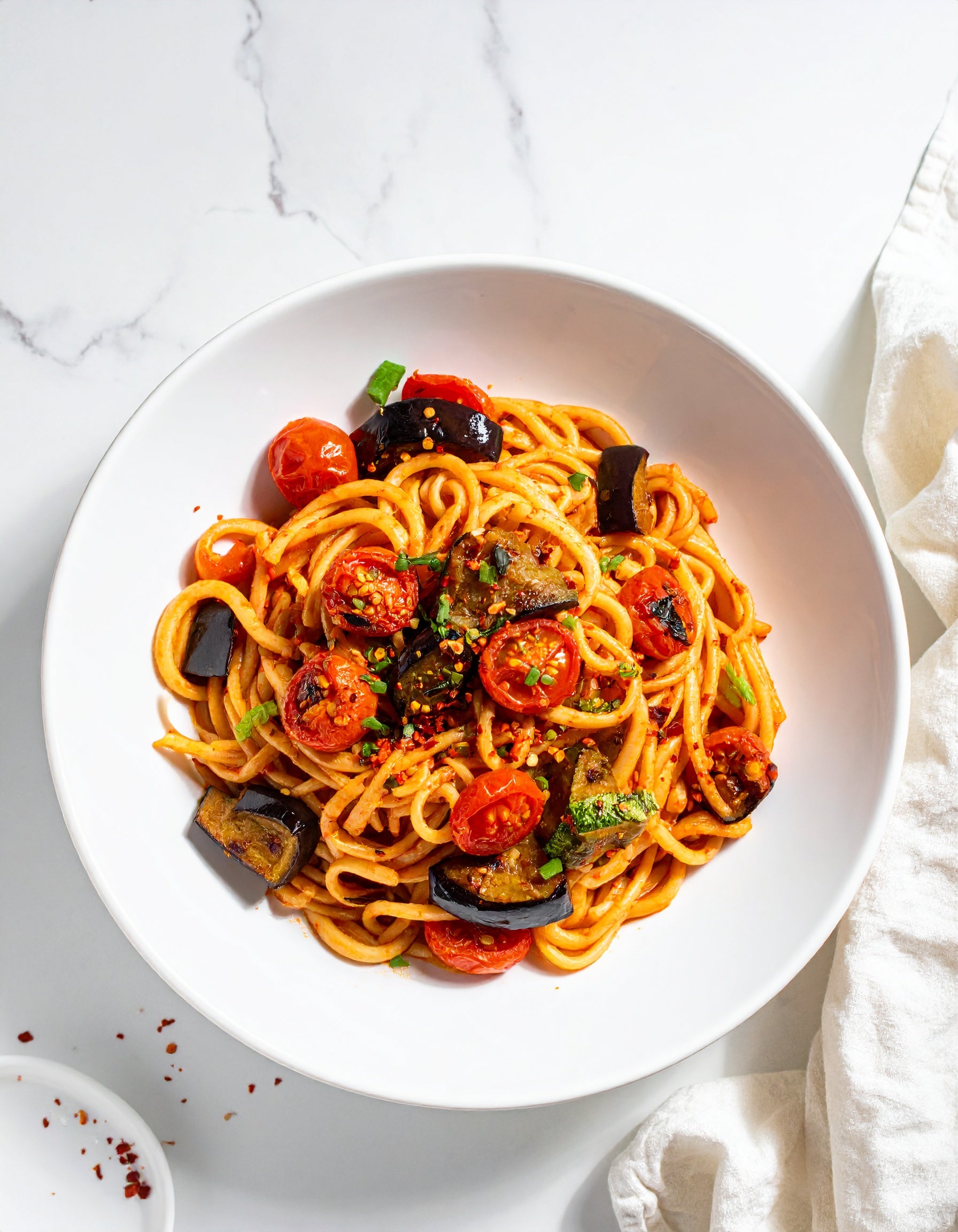
Umbricelli is one of the most recognisable yet least standardised pasta shapes of Umbria. It appears as a thick, round, hand-rolled strand, significantly larger than spaghetti and deliberately irregular in length and diameter.
Unlike industrial extrusions, umbricelli is formed by rolling dough between the palms or on a work surface, producing a coarse exterior and a dense bite. The dough is typically egg-based, though water-only versions exist, particularly in poorer households or southern zones of the region.
The defining quality of umbricelli is mass. This is a pasta designed to carry weight — physical, textural, and cultural. It is not refined, and it does not aim to be.
Geography and Regional Presence
Umbricelli belongs primarily to central Umbria, with strong associations to areas around Spoleto, Foligno, and Perugia, though its presence extends into surrounding countryside.
Its diffusion mirrors the region’s agricultural structure: mixed farming, pig rearing, and domestic egg production. Umbricelli appears most consistently in zones where pork-based condiments and cured meats played a central role in everyday cooking.
Unlike strangozzi, which often reflects flour-water economies, umbricelli is more closely tied to households with access to eggs and animal fat, reinforcing its identity as a protein-enriched pasta.
Historical Development
As with many Umbrian shapes, umbricelli does not emerge from written culinary codification but from domestic repetition. Its origins likely lie in simple hand-rolled doughs derived from bread-making techniques, adapted to produce long strands that could be dried briefly or cooked immediately.
The lack of cutting tools and the desire for durability favoured rolling over slicing. Thick strands resisted overcooking, absorbed condiments effectively, and delivered substantial nourishment.
The name umbricelli is relatively modern in its fixed form, emerging alongside broader regional self-identification. Earlier references often describe the shape rather than name it, reinforcing the idea that form preceded label.
Traditional Use
Umbricelli exists for heavy, fat-driven condiments.
Its diameter and rough surface make it suitable for:
- Pork sausage-based sauces
- Guanciale and cured pork preparations
- Robust tomato sauces introduced later
Unlike thinner pastas, umbricelli is not overwhelmed by density. It holds structure under weight and benefits from sauces that cling rather than coat lightly.
It is rarely paired with delicate or minimal condiments. Oil-only dressings, unless strongly aromatic, tend to underserve the shape. Umbricelli expects resistance — both from the sauce and from the eater.
Umbricelli Today
Umbricelli survives robustly within Umbria, particularly in trattorias and domestic kitchens.
Fresh versions are still common, often made daily or weekly rather than stored long-term. Dried umbricelli exists but is less widespread and often adapted for shelf stability, sometimes at the expense of traditional thickness.
Artisanal producers in Umbria occasionally offer umbricelli, usually as a fresh product sold locally or regionally. It remains a shape associated with immediacy rather than export.
Outside Umbria, umbricelli is frequently simplified or mislabelled, sometimes appearing as “thick spaghetti” without the structural and cultural context that defines it.
Cultural Notes and Misconceptions
A common misconception is that umbricelli is simply a rustic version of spaghetti. This framing misses the point entirely.
Spaghetti is defined by standardisation and neutrality. Umbricelli is defined by variability and intention. Its thickness is not an aesthetic choice but a response to condiments, labour, and nutrition.
Another misunderstanding is the assumption that umbricelli always contains eggs. Historically, egg use varied with availability. What mattered was not purity of formula but functional adequacy.
Why Umbricelli Matters
Umbricelli represents Umbria at its most uncompromising.
It is pasta that demands to be noticed, chewed, and respected. It reflects a culture that prioritised sustenance over finesse and consistency over elegance.
If strangozzi expresses Umbrian restraint, umbricelli expresses Umbrian density.
Together, they define a regional grammar of pasta that does not bend to external taste — and never needed to