Shape: Strangozzi (or Stringozzi)

What Strangozzi Is
Strangozzi — also spelled stringozzi depending on town and dialect — is one of Umbria’s most characteristic pasta shapes, and one of the least theatrical in Italy.
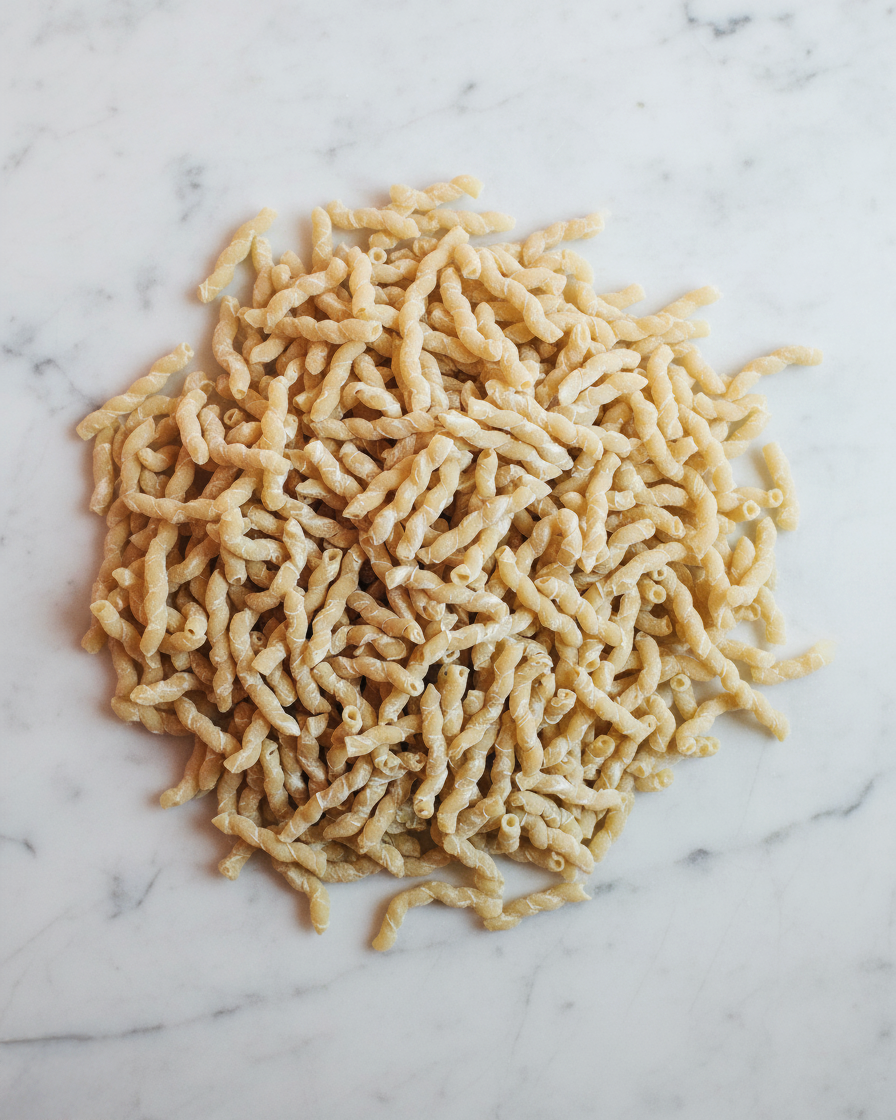
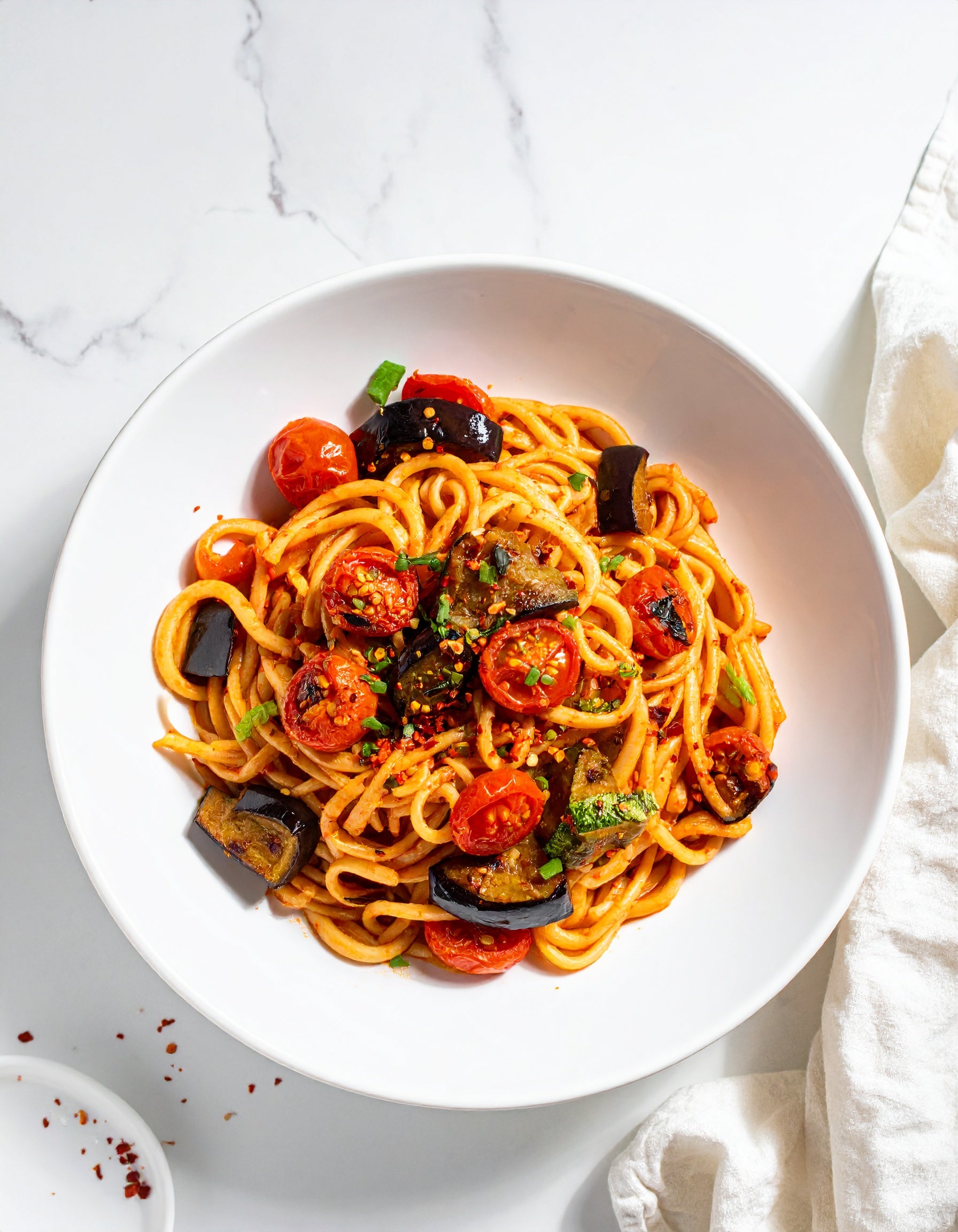
It is a long, thick, rectangular pasta, hand-formed rather than cut, with a blunt section and a deliberately irregular surface. It is never thin, never delicate, and never meant to be. The dough can be made with water alone or with the addition of eggs, depending on geography, household custom, and historical availability.
What distinguishes strangozzi immediately is its resistance — to uniformity, to refinement, and to speed. It is not a pasta that tolerates shortcuts. Its texture exists to grip fat, oil, meat, and coarse sauces, not to slide politely across the tongue.
This is pasta built for substance, not elegance
 Geography and the Logic of the Land
Strangozzi belongs to central and northern Umbria, particularly areas around Spoleto, Foligno, and the inland valleys that historically relied on mixed agriculture rather than trade.
The shape makes sense only in an inland, agricultural context:
- Flour was not always abundant or finely milled
- Dough had to be forgiving
- Pasta needed to feed labour-intensive lives
In these conditions, a thick, hand-pulled shape offered several advantages. It required minimal equipment, tolerated uneven hydration, and produced a filling result even when condiments were sparse.
Where eggs were readily available, they were added to strengthen the dough and increase nutritional value. Where they were not, water-only dough persisted without stigma. This dual identity is essential to understanding strangozzi: it is not bound to a single “correct” formula.
Historical Origins and Evolution
Strangozzi does not have a single moment of invention. Like many inland Italian pastas, it likely evolved from pulled bread doughs and early flour-water preparations rather than from a defined pasta tradition.
Written documentation appears relatively late, but oral transmission places its use firmly in domestic cooking well before industrial pasta existed. This was never a market product. It was made at home, by hand, for immediate consumption.
The shape’s irregularity is not accidental. Historically, dough was stretched, torn, and rolled into rough strands rather than cut cleanly. Precision tools were unnecessary, and uniformity offered no advantage.
Over time, the name diversified. Strangozzi and stringozzi coexist, sometimes within the same province, reflecting dialect rather than culinary difference. Attempts to standardise spelling or dimensions are modern and largely irrelevant.
 Traditional Use
Strangozzi is designed for assertive, direct condiments.
Its thickness and rough surface make it suitable for:
- Pork-based sauces
- Oil-based dressings with strong aromatics
- Simple tomato sauces introduced later
What it is not traditionally paired with matters just as much. Delicate cream sauces, refined emulsions, or lightly flavoured vegetable purées undermine the shape’s purpose. Strangozzi demands resistance and weight.
This pasta is meant to be chewed, not admired. It holds fat and texture deliberately, allowing modest ingredients to feel complete.
Relationship to Other Italian Shapes
Strangozzi sits in a family of central Italian pulled pastas, but it remains distinctly Umbrian.
- Compared to pici (Tuscany): strangozzi is flatter, less uniform, and often shorter
- Compared to umbricelli: strangozzi is less round and slightly more restrained
- Compared to ciriole (Lazio influence): strangozzi is thicker and more rustic
What separates strangozzi from its neighbours is its lack of refinement pressure. It was never adapted for courts, banquets, or export. It remained domestic, practical, and local.
This is why it survived relatively unchanged.
Strangozzi Today: Survival, Not Stardom
Strangozzi exists today in three parallel worlds:
- Home cooking, where it remains most authentic
- Local trattorias, where it appears without apology or explanation
- Limited artisanal production, usually fresh rather than dried
A small number of Umbrian pasta makers still produce strangozzi for local sale, often alongside more recognisable shapes. It rarely travels far. When sold dried, it is usually adapted slightly for durability, though this often compromises texture.
Outside Umbria, strangozzi is frequently misrepresented — thinned, over-regularised, or paired with inappropriate sauces. These versions miss the point entirely.
Strangozzi survives precisely because it never needed to adapt to external expectations.

Cultural Notes and Misconceptions
One persistent myth links the name strangozzi to violent or political symbolism, often repeated without evidence. While the etymology is debated, there is no reliable historical documentation tying the pasta to revolutionary or punitive practices. Such stories are modern overlays rather than culinary history.
What is culturally accurate is strangozzi’s association with everyday sustenance rather than celebration. This was not festival pasta. It was weekday food, made to feed families and absorb what the land provided.
Its endurance lies in that humility.
Why Strangozzi Matters
Strangozzi is not important because it is famous. It is important because it is coherent.
It expresses Umbria’s relationship with land, labour, and restraint more clearly than any decorated dish ever could. It refuses refinement because refinement was never necessary. It holds history not as nostalgia, but as habit.
If you understand strangozzi, you understand why Umbrian pasta never chased recognition — and why it still makes sense today.