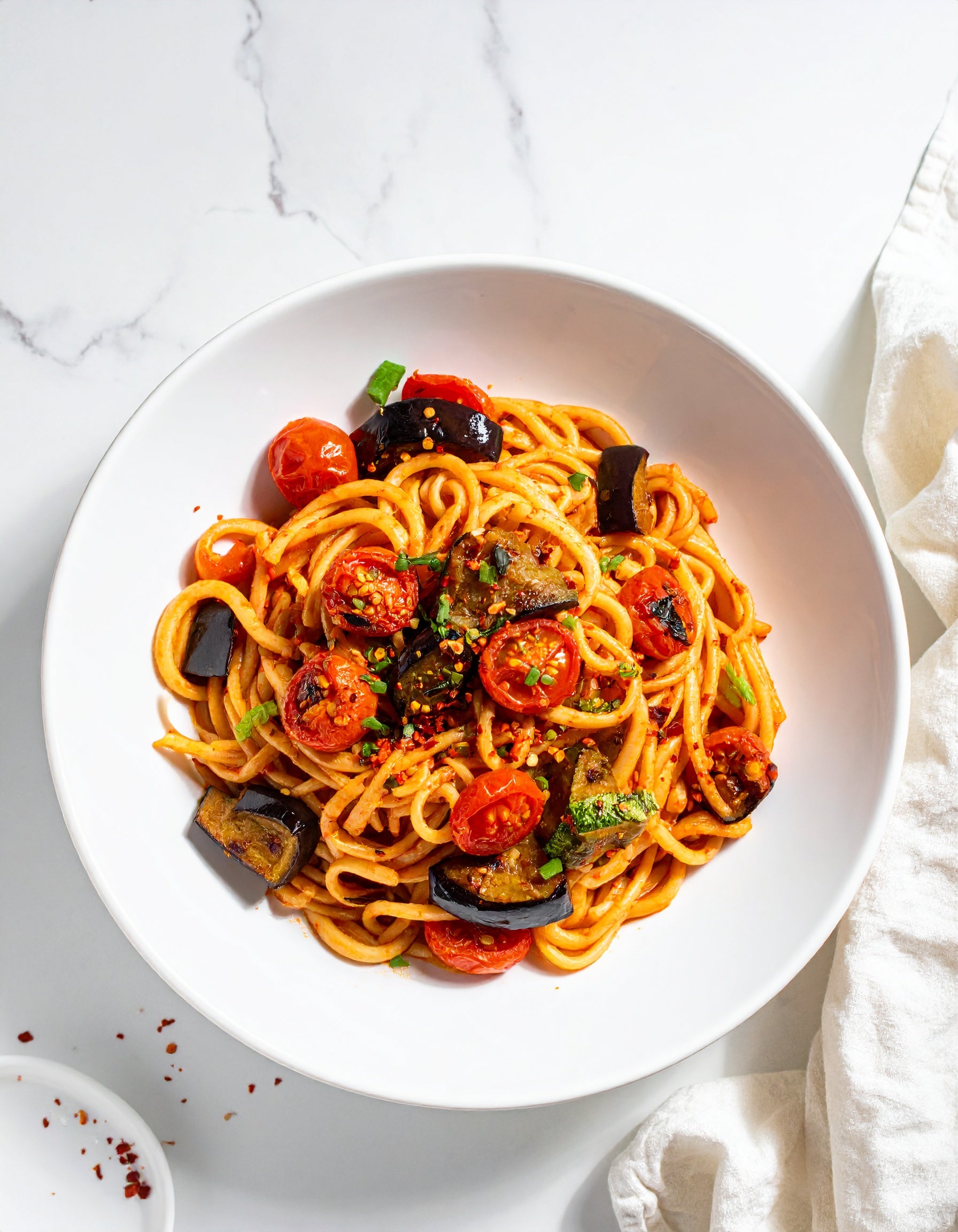
Shape: Pici — The Thick, Stubborn Noodle That Tuscany Won’t Apologise For
 Pici is not elegant.
It’s not symmetrical.
It is absolutely not behaved.
Pici is the pasta shape a landscape would invent if rolling hills had human hands — thick, rustic, chewy strands that ignore geometry and roll with the quiet self-assurance of someone who doesn’t need your approval.
If pasta shapes had attitudes, pici would be the one leaning in the doorway saying:
“So? You got a problem?”
You don’t “make” pici.
You negotiate with it.
Where Pici Comes From — Peasant Logic, Hilltop Wisdom
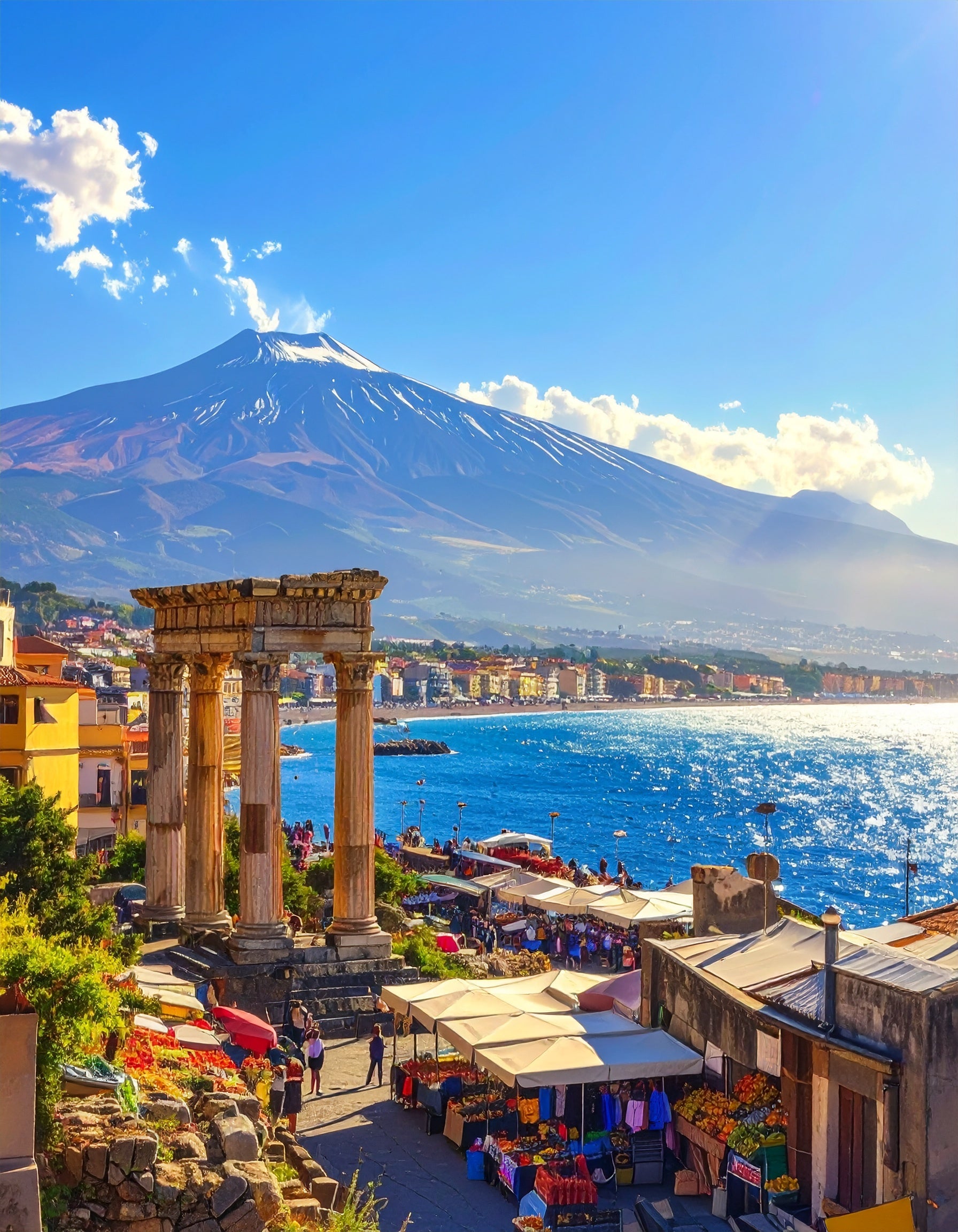
Pici belongs to the Siena province, especially the Val d’Orcia, Montepulciano, and the Crete Senesi — areas where every view looks like a painting and every dish looks like it came from someone with a deep sense of agricultural pragmatism.
Before Rome ever strutted onto the stage, this was Etruscan territory.
Archaeology shows long, hand-rolled flour-and-water strands were already cooked in pre-Roman Tuscany. They weren’t pici yet, but the DNA was there:
simple dough, rolled by hand, no eggs, no fuss, maximum sense.
The Etruscans cooked these strands in broths, with vegetables, herbs, and wild greens. Exactly the kind of food you’d invent when ingredients are precious and nothing is wasted.
By the Middle Ages, the shape evolved into “lòmbrichi” — meaning earthworms.
Charming but accurate.
Eventually the verb appiciare (“to roll and stretch with fingers”) gave us the name we use today:
pici
Simple. Direct. Tuscan.
Why Pici Matters — Tuscan Philosophy in a Shape
Pici is the edible manifesto of everything Tuscany stands for:
- minimalist but intentional
- rustic but never crude
- simple but not simplistic
- grounded but not dull
- confident without flash
- resourceful but not ascetic
- honest in a way modern food rarely is
Pici is Tuscan clarity over clutter.
Purpose over pretence.
The shape that shrugs at complexity and says, “Let the ingredients speak.”
Other regions use flamboyance.
Tuscany uses conviction.
And pici is its thesis statement.
The Dough — Nothing to Hide Behind
Pici exposes the cook like bread exposes the baker.
No eggs to rescue texture.
No machine to save technique.
No excuses.
Traditional pici dough is:
- flour
- warm water
- a glug of olive oil (sometimes)
- salt
- a grandmother’s judgemental silence
That’s it.
No semola unless you’re cheating.
No egg yolks unless you’re lost.
No fancy kneading machines unless you’re trying to get disowned.
This is dough that forces you to understand hydration, elasticity, timing, and touch.
When rolling pici, the dough tells you if you’re tired, impatient, or lying to yourself.
A Tuscan grandmother isn’t watching your hands.
She’s reading your character.
How Pici Is Made — The Handwork That Defines It
Pici is rolled by hand, one strand at a time.
The movement looks simple:
- take a piece of dough
- roll it against the board
- use your fingertips to lengthen it
- let the unevenness be part of the charm
But like all deceptively simple techniques, it is not simple at all.
Good pici has:
- irregular thickness
- slight variations along the strand
- no two pieces identical
- a texture that betrays the warmth of human hands
If your pici is perfectly uniform, congratulations — you’ve made spaghetti, not pici.
Texture — The Chew That Defines a Region
The defining element of pici is the chew.
It should be:
- soft but toothsome
- thick but not doughy
- rustic without being heavy
- uneven in a way that makes each bite unique
Pici is built for dishes with presence:
- bold olive oils
- assertive garlic
- herbs that grow under full sun
- sauces with personality, not politeness
Tuscany is not a shy region.
Its pasta shouldn’t be either.
Iconic Pairings — Why Aglione Was Born
Pici all’aglione is the dish that made tourists fall in love and made locals roll their eyes because “of course it’s good, it’s pici.”
Aglione della Valdichiana is a giant, sweet, perfumed garlic varietal with almost no heat and a ton of scent. It melts rather than burns. It infuses rather than dominates.
The sauce is:
- slow-cooked
- tomato-based
- silky
- collaborative rather than aggressive
It’s the kind of sauce that needs a thick noodle to carry it but a gentle one to respect its sweetness.
Enter pici.
Other pairings include:
- pici with toasted crumbs (the original budget-friendly flavour bomb)
- pici cacio e pepe (Tuscan take)
- pici with mushrooms
- pici with fava beans and pecorino
- pici with vegetable-based sauces
- pici with hearty ragùs, depending on the season
But aglione is the soulmate.
The rest are friends.

Pici Today — The Comeback Kid
For a while, restaurants drifted toward convenience — extruded shapes, egg pastas, precise ribbons. Pici nearly became a home-only dish.
But handcraft made a comeback.
Now, serious Tuscan trattorias have pici front and centre again:
- because it tastes of place
- because diners crave authenticity
- because its imperfection is its beauty
- because no machine can roll a strand that feels like a human rolled it
Chefs returning to pici aren’t following a trend.
They’re returning to truth.
Pici is one of the few shapes where you can literally taste the hand that made it.

Fun Facts — Hilltop Lore and Pici Gossip
-
In some villages, pici rolling was used to judge marriage prospects.
If you rolled fast and even, you were “materiale buono.” - Aglione della Valdichiana is so mild locals jokingly call it “the garlic that won’t fight back.”
-
Pici dough was originally kneaded on wooden boards dusted with ash, not flour.
Rural genius at work. -
The name “pici” has over a dozen dialect variants:
pinci, pinciarelli, lòmbrichi, lunghetti, and more. -
In old recipes, children were tasked with rolling pici because their hands were “lighter and less lazy.”
Not exactly gentle parenting. -
True pici is rolled thicker at one end than the other.
The tapered “tail” is considered proof of authenticity. -
Pici is one of the rare pastas that actually tastes better slightly imperfect.
Precision ruins the magic. -
Historically, pici was coated with oil before cooking to stop strands from sticking.
The technique survives in some older households. - In the Val d’Orcia, pici is part of local festivals where rolling competitions are judged by grandmothers with terrifying accuracy.