Stories: Lazio — The Empire of Taste

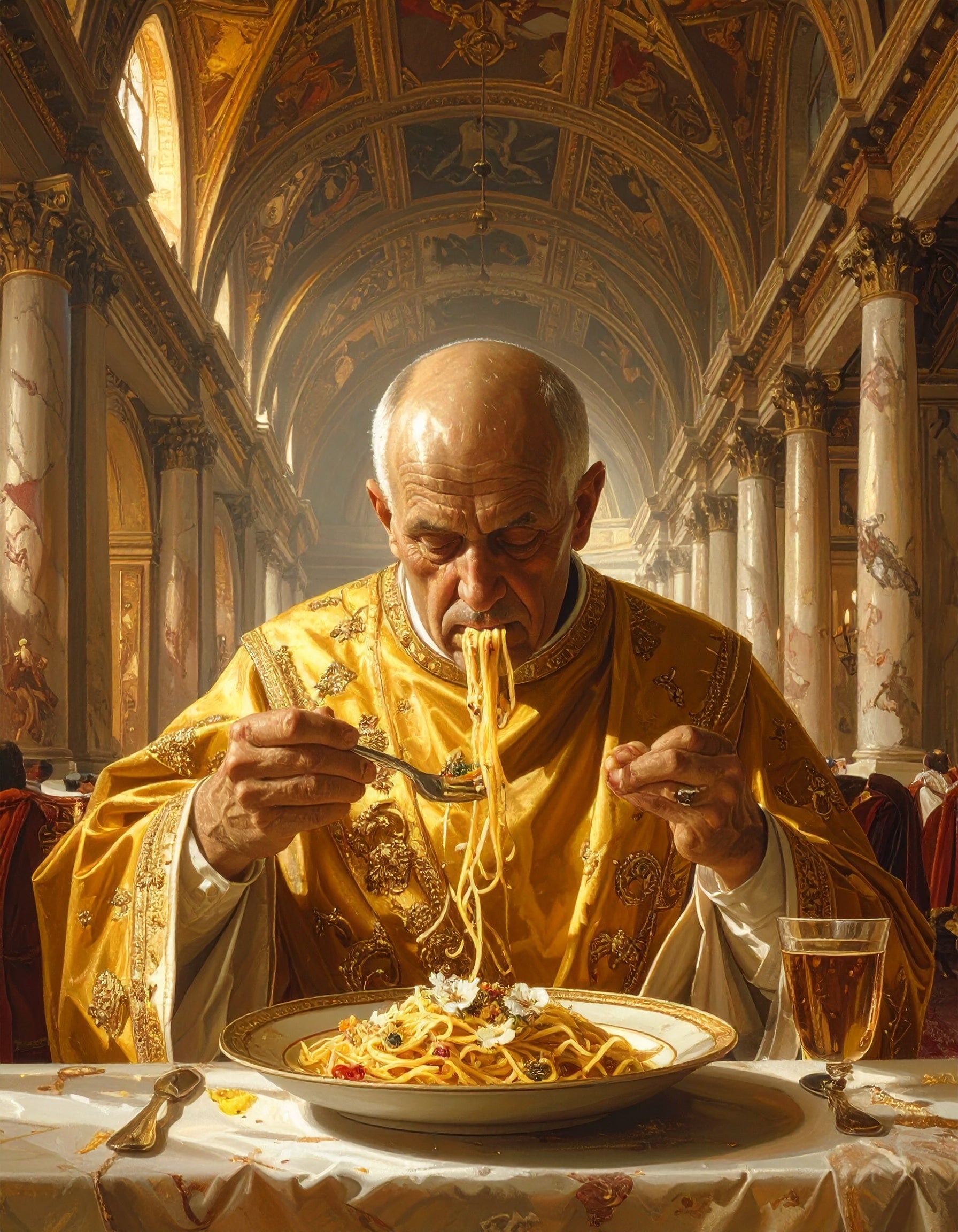
All of Italy has its table manners, but Lazio eats with both hands.
Here, between the Apennines and the Tyrrhenian Sea, food is not an accessory to life — it is life. It determines the rhythm of the day, the mood of the week, and the flavour of the language. A Roman argument can be settled with amatriciana as often as with diplomacy.
Lazio’s geography looks almost engineered for appetite.
The volcanic beds of the Castelli Romani give wine a mineral backbone that makes pecorino feel inevitable. The Sabina valley glows with olive groves that have been pressed since antiquity — the world’s earliest referenced “PDO” zone, celebrated even by Horace for its balance of fruit and pepper. Northward, Tuscia leans into Tuscany’s forests with chestnut woods, hazelnuts and beans; southward, Ciociaria opens into the rough pastures that once formed the seasonal highway of shepherds moving between Abruzzo and the Roman plains.
And in the centre, loud, contradictory, unforgettable: Rome — the stomach of Italy.
To cook in Lazio is to cook at a crossroads.
Etruscan techniques survive in oils and porridges; medieval monasteries refined herbs and grain knowledge; Jewish cooks shaped frying traditions; pastoral life preserved salted meats and aged cheeses; Mediterranean traders brought citrus, spices and tomatoes. The region doesn’t absorb influences politely — it chews them, argues with them, and then sautés them in guanciale fat.
Everywhere you go, something is simmering.
On the Gaeta coast, anchovies come off the boats while a grandmother stirs tomato sauce on a camping stove. In Viterbo, an old man crushes mentuccia — the wild mint that defines Roman artichokes — between calloused fingers. In Amatrice, the first cold evenings carry the scent of guanciale warming slowly in a pan, not frying but sweating out its philosophy.
Rome has always understood that food is public theatre.
Campo de’ Fiori and Testaccio aren’t markets — they’re parliaments. A disagreement about pepper quantity can last longer than a senate hearing. In Rome, even silence smells like lunch.
If Naples made pasta popular, Rome made it philosophical.

From Empire to Osteria — A Long History of Appetite
To understand Lazio’s cooking, you need to follow the history of power, hunger and ingenuity across two thousand years. This is where we expand.
Ancient Lazio — Eating Like an Empire
The cuisine of ancient Latium — the land of early Romans and their neighbours — began simple: barley porridges, fava beans, chickpeas, olives, honey, foraged herbs. What elevated these ingredients wasn’t complexity but precision. Romans perfected the ritual of eating long before they perfected its luxury.
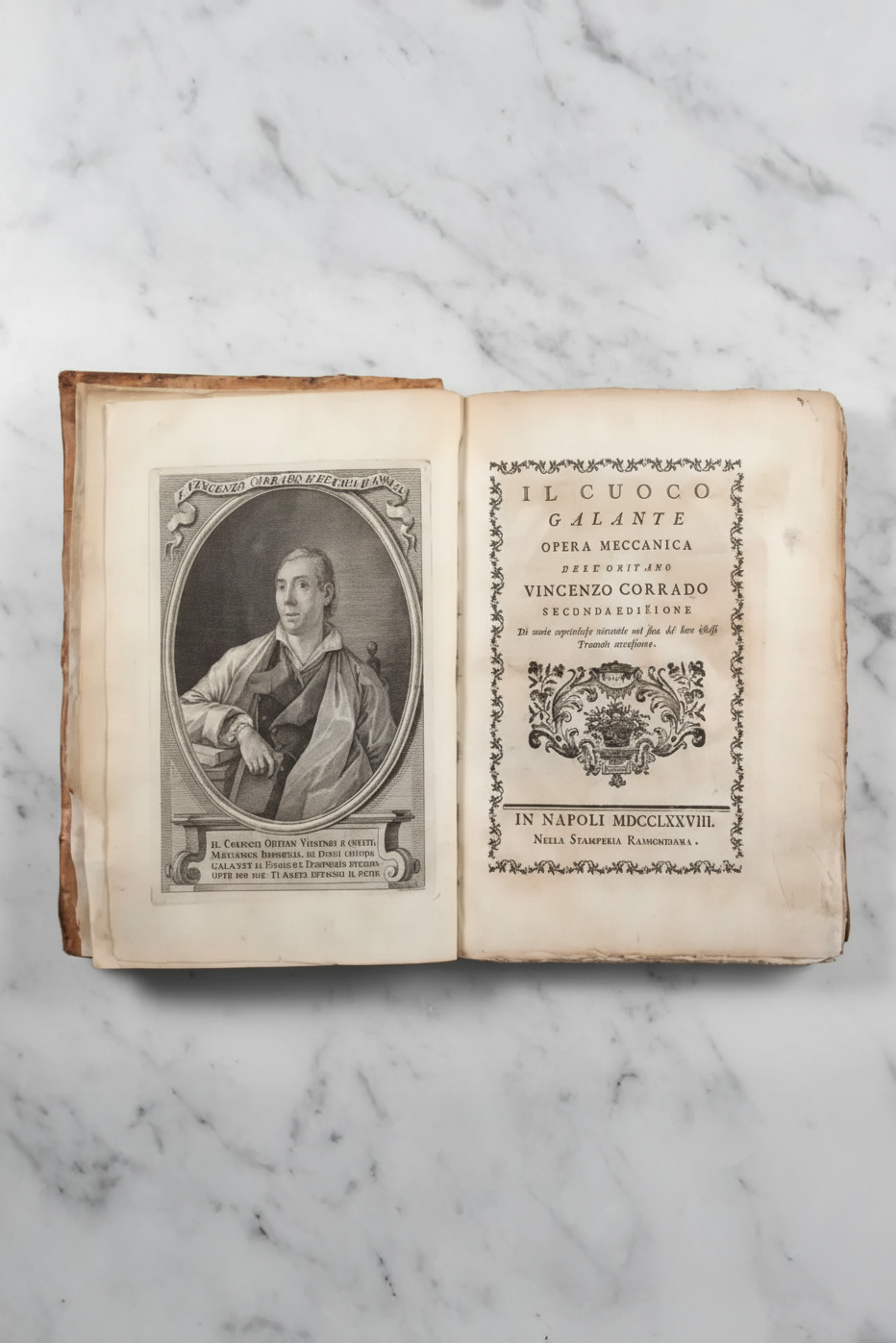
By the late Republic and early Empire (1st century BCE–1st century CE), Roman cuisine exploded into documentation — most famously in Apicius, the earliest surviving cookbook in the Western world.
Apicius did not represent everyday Romans (not unless your weekly shop includes flamingo tongues and stuffed dormice), but his techniques reveal the DNA of Lazio cooking today:
- balancing fat, salt, acid and heat
- emulsifying sauces with starch
- layering pepper, cheese and oil
- obsessive use of cured pork
- strategic sourness from vinegar and reduced wine
These are the same principles behind cacio e pepe, gricia and carbonara — just stripped back to sanity.
Meanwhile, the Roman countryside was producing ingredients recognisably “Lazio”:
Sabina olive oil, pecorino cheeses from shepherd migrations, early forms of cured pork, and vast quantities of wheat from both local fields and imperial supply routes.
What Romans didn’t have yet: pasta as we know it.
They ate laganae — sheets of dough cut into strips and boiled or baked with legumes. Essentially proto-lasagne. The technique survived the empire. The extravagance did not.

When the Empire Fell — The Monastic Kitchens Rise
After the 5th century, luxury cuisine collapsed with urban life. The city shrank; aristocratic cooking vanished; food culture moved to monasteries, where discipline replaced decadence.
In abbeys like Farfa, Subiaco and Montecassino, monks preserved:
- viticulture and wine-making
- olive oil pressing
- herb cultivation (including mint varieties used today)
- grain storage and milling
- early pasta forms such as lagane cooked with chickpeas or fava beans
Not glamorous — but foundational.
Rome’s medieval cuisine was built not in palaces but in cloisters.
Medieval & Renaissance Rome — The Return of Spectacle
When the papacy consolidated power from the 12th century onward, the city’s appetite grew again. By the 15th and 16th centuries, Rome was a culinary capital.
Cardinals competed in lavish banquets. Spice merchants brought cinnamon, pepper, cloves and sugar through Mediterranean routes. Fast-forward to the 16th century and you meet Bartolomeo Scappi, chef to Pope Pius V, whose 1570 cookbook Opera dell’arte del cucinare is a masterpiece of Renaissance technique.
Scappi wrote about:
- rolling fresh pasta by hand
- stuffed pastes resembling early tortelloni
- complex sauces binding cheese and pepper
- slow braises of offal, tail, and veal head
- frying techniques using lard instead of oil
The rich ate extravagantly.
The poor, meanwhile, learned the art that still defines Lazio:
transforming scraps into splendour.

The Birth of Cucina Romana — Luxury from Leftovers
By the 17th century, Testaccio became the slaughterhouse district of Rome. Butchers were often paid partly in offal — the “fifth quarter”. This birthed dishes that are now sacred:
- coda alla vaccinara (oxtail braised in wine and tomato)
- trippa alla romana (tripe with mint and pecorino)
- pajata (milk-fed intestines simmered until creamy)
Simultaneously, the Jewish community in the Ghetto shaped frying culture (carciofi alla giudia), salt cod recipes, and sweet-sour balances.
Pastoral life contributed:
- dried ricotta and pecorino
- cured meats that travelled well
- the habit of adding black pepper to everything because it preserved food on the road
Rome was inventing itself as a city where poverty created flavour.
The Tomato Arrives — And Changes Everything Slowly
Tomatoes entered Italy in the 1500s but didn't enter Roman sauce until the 1700s. Rome resisted tomato sauce longer than the south. The first written Amatriciana with tomato appeared only in 1880, based on the older gricia.
Carbonara appeared even later — 1954, almost certainly born from post-war eggs and cured pork brought by American troops. (No, it wasn’t invented by coal miners — that’s a romantic fantasy with zero documentary support.)
The Industrial Age — Pasta Becomes Democratic
The 19th century brought industrialisation. Huge pasta factories rose in Lazio:
- Pastificio Pantanella, founded in 1868, became Italy’s largest by the early 1900s.
- Steam-powered presses standardised spaghetti, rigatoni, fettuccine.
- Dried pasta became cheap enough for the working classes.
By the early 20th century, trattorie served:
- rigatoni alla pajata
- tonnarelli cacio e pepe
- bucatini all’amatriciana
- fettuccine al ragù di coda
Workers ate them. Intellectuals debated them. Tourists misunderstood them. Rome thrived.
The Roman Four — A New Civic Symbol
By mid-century, Cacio e Pepe, Gricia, Carbonara and Amatriciana formed what Romans now call “le quattro sante” — the four saints.
Each represents a different piece of Lazio:
- the shepherd (cacio e pepe)
- the butcher (gricia / amatriciana)
- the post-war city (carbonara)
- the mountain towns of Amatrice (amatriciana)
They are more than recipes.
They are negotiations between fat, salt, and stubbornness — the true Roman virtues.
The Fifth Voice — Fettuccine ai Carciofi alla Romana
If the big four are the brass section, this dish is the flute.
Every spring, when carciofo romanesco del Lazio IGP appears — fat, purple-green, and tender — the city relaxes. Artichokes have arrived. Calm returns.
Two traditions define them:
- alla giudia — deep-fried, crackling, Jewish
- alla romana — braised with garlic, mentuccia and lemon, pastoral and patient
Somewhere between these styles, a non-codified dish emerged in home kitchens: fettuccine with artichokes, olive oil, white wine and pecorino. Not a festival plate. Not protected by law. A recipe carried through families, expressing the gentler half of Roman cuisine.
Beyond the Capital
Leave Rome and Lazio becomes softer, greener, older.
Ciociaria
Dialects stretch like fettuccine rolled by hand. Woods fill with chestnuts and porcini. Kitchens glow with wood smoke. Dishes like pasta e ceci, fettuccine ai funghi, and sagne e fagioli anchor the region.
Tuscia
Volcanic soil from the Cimini Hills produces hazelnuts, chickpeas and vegetables. Lombrichelli — water-and-flour pasta ropes — resemble pici but have a local stubbornness.
Gaeta and the Coast
Home of the famous olive di Gaeta and capers. Fishermen swear they invented the soul of puttanesca (anchovy, tomato, chilli). Whether or not it’s true, the flavour makes a persuasive argument.
Castelli Romani
Sunday means fettuccine. Ragù di coda, local Frascati wine, laughter, a slightly dangerous second bottle. Repeat.
Ingredients of a Civilisation
Lazio’s pantry is a cast of characters:
- Guanciale — philosopher of fat
- Pecorino Romano DOP — the disciplinarian
- Sabina olive oil — the diplomat
- Carciofo Romanesco IGP — the aesthete
- Puntarelle — the anarchist
- Fava beans — the optimist
- Broccolo Romanesco — the mathematician
Together they form Lazio’s moral code: restraint, repetition, and a refusal to apologise for intensity.
The Modern Revival
Tradition in Lazio doesn’t disappear; it moults.
The Chefs
Heinz Beck turns carbonara into golden foam. Roy Caceres hides cacio e pepe inside a single raviolo. Cristina Bowerman proves plant-forward innovation can still speak Roman.
The Pasta Artisans
Workshops like Pastificio Secondi revive bronze dies and slow drying, bringing back rigatoni with real grip.
The New Trattorie
Places like Osteria Fernanda and Da Cesare respect the old tempos: slow guanciale, fresh pepper, sauce and starch married by mantecatura — the Roman verb meaning “make inseparable.”
Rome is rediscovering its ancient virtue: flavour has a tempo.
Fun Facts & Roman Wisdom
- Amatriciana with tomato: 1880. Carbonara: 1954. Rome likes to think before it acts.
- Ladispoli crowns “Miss Carciofo” every spring. Democracy in its purest form.
- “Mantecatura” is a philosophy disguised as a technique.
- Romans never say “al dente.” Everything else is an insult.
- The secret ingredient of cacio e pepe is attitude; without it, the sauce breaks.
Closing
Lazio’s food tells a story of civilisation learning humility.
Empires rose, popes ruled, factories thundered — but hunger stayed human. Eating remained slow, communal, joyful, argumentative.
To sit down to pasta in Lazio is to join a lineage stretching from shepherds with sacks of pepper to grandmothers whispering piano piano as they stir.
If Sicily gave imagination and Naples gave industry, Lazio gave meaning.
Because here, food is not prepared.
It is debated, adored, fought over, and forgiven.
It is a conversation that never ends — carried in markets, in kitchens, and in the stubborn twirl of a fork.