Recipe: Tonnarelli Cacio e Pepe – The Roman Equation
Stand in a Roman kitchen at noon. You hear a pot trembling, the hiss of pepper hitting a hot pan, and then silence — that long, charged pause before the pasta is tossed.
In that silence lives the heart of Lazio.
No basil, no tomato, no garlic. Only heat, starch, salt, and willpower.
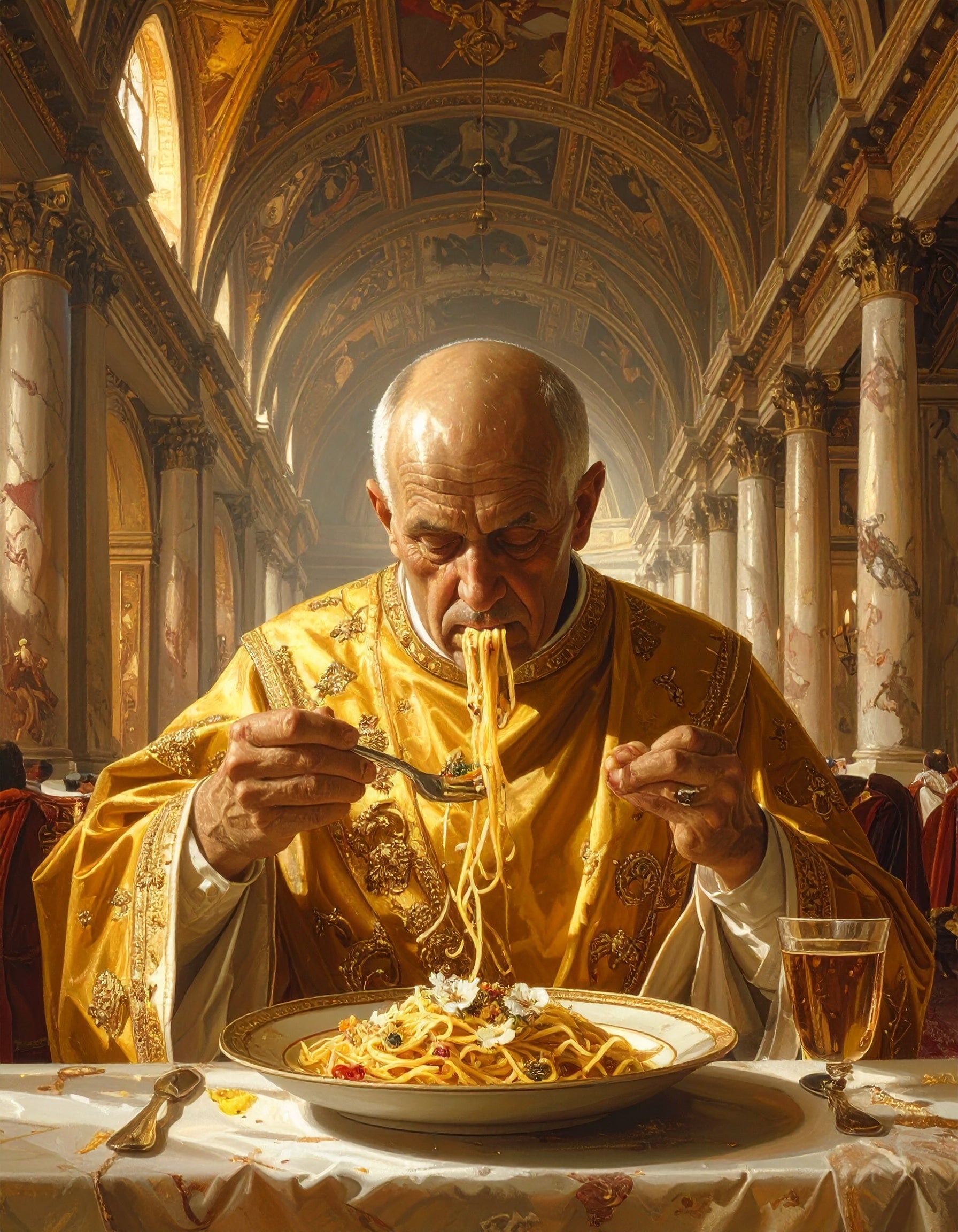
“Cacio e Pepe” is less a recipe than a negotiation. It asks you to be present, to sense the moment when water becomes cream without cream, when cheese melts but doesn’t seize, when simplicity crosses into perfection. It’s the taste of the shepherd’s saddlebag reborn in the city of philosophers.
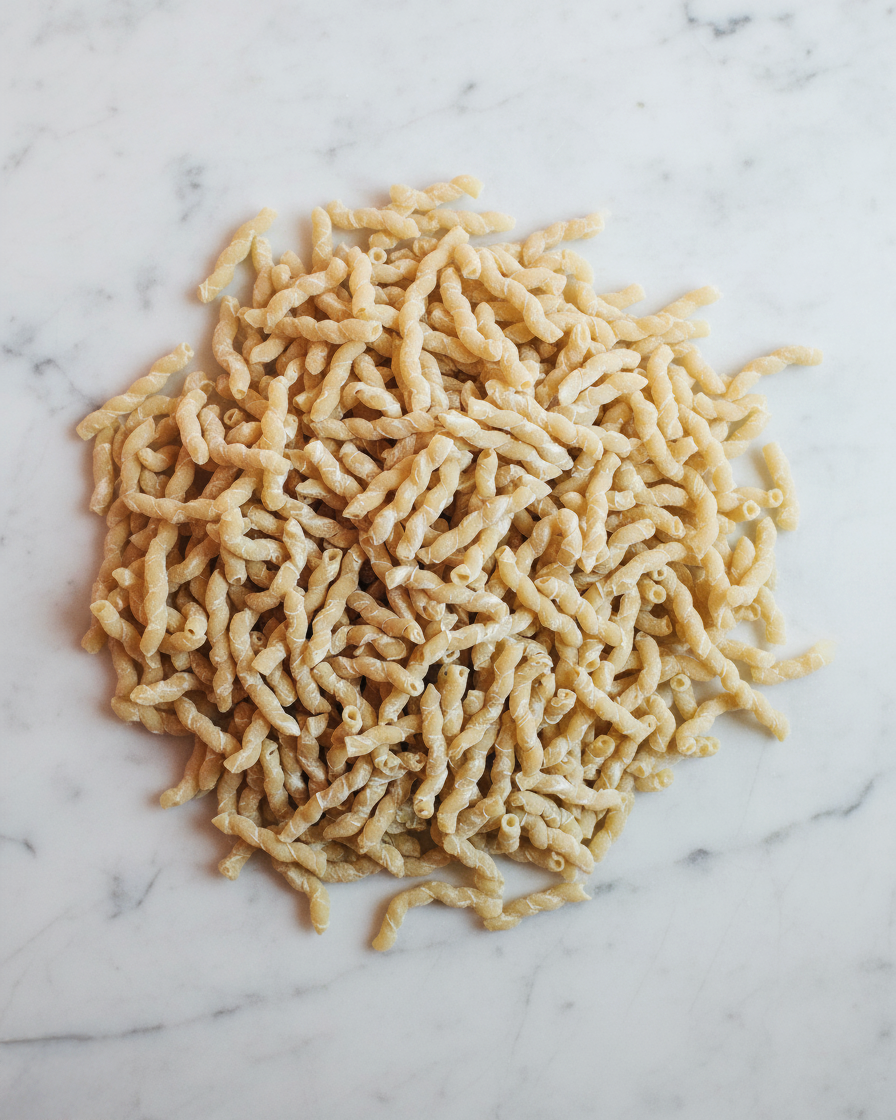
The pasta for it is always tonnarelli — square, hand-cut, egg-rich, the Roman cousin of Abruzzo’s spaghetti alla chitarra. Their rough edges catch sauce like frescoes catch light. Every forkful hums with geometry and history.
History & Origins – From Shepherd to City
Cacio e Pepe was born on the move.
Centuries before trattorie, Lazio’s shepherds migrated through the Campagna Romana carrying foods that survived the road: dried pasta, pecorino romano, black pepper, and salt.
When evening came, they boiled water over fire, stirred in cheese and pepper, and built comfort from arithmetic: three ingredients, one bowl, no waste.
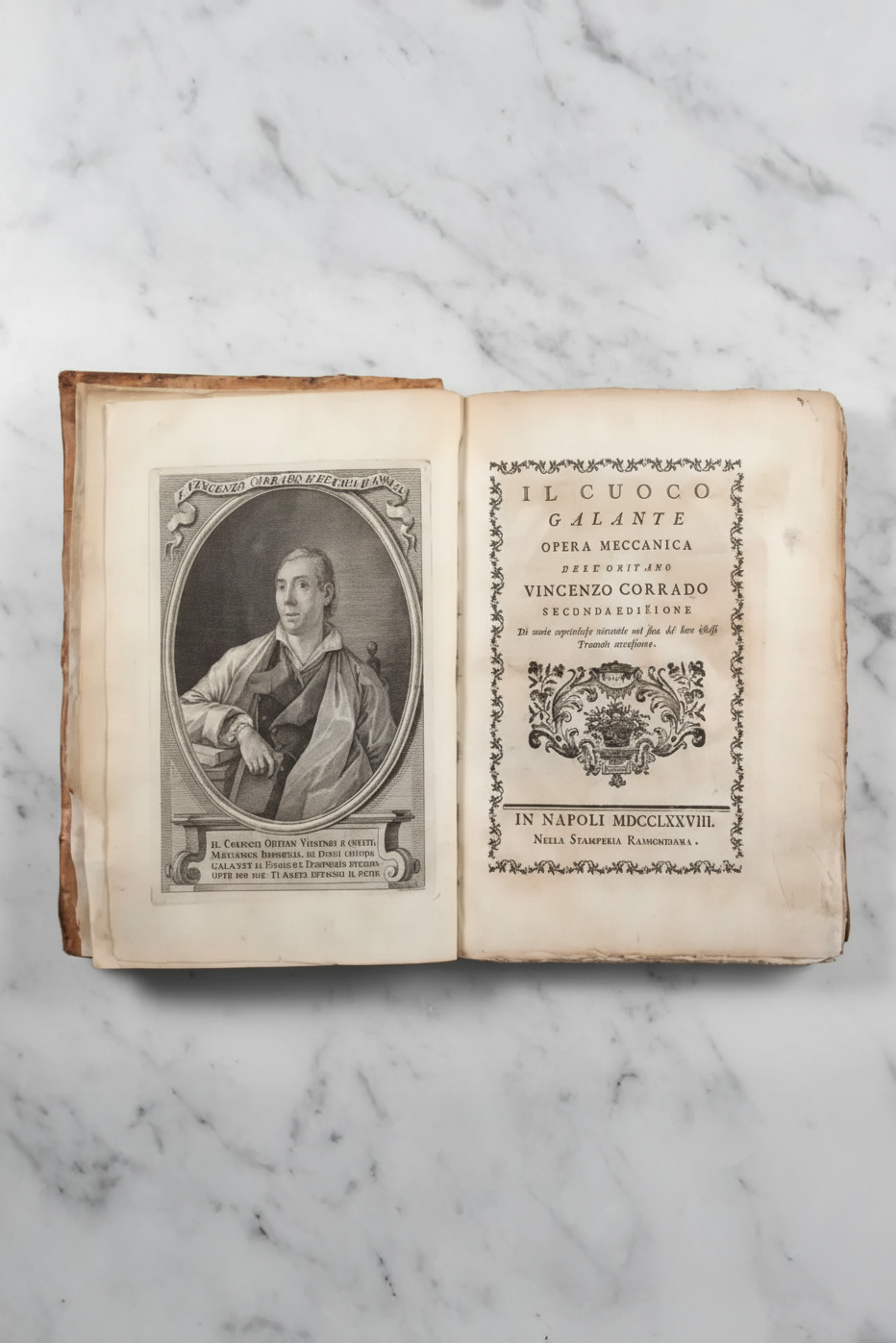
The written record appears later — nineteenth-century cookbooks mention pasta col cacio e pepe as a common dish among Roman workers — but the logic is older. Pecorino Romano DOP itself dates back to ancient times; Pliny wrote that Roman soldiers carried it on campaigns for protein and salt. Pepper, imported through imperial trade routes, became both luxury and habit.
By the early 1900s, when Testaccio’s slaughterhouses made the neighbourhood the stomach of Rome, Cacio e Pepe was already its conscience: a dish of the poor, eaten by everyone, democratic and uncompromising.

Ingredients (Classic, Serves 4)
- 400 g fresh tonnarelli (or high-quality spaghetti alla chitarra)
- 160 g Pecorino Romano DOP, finely grated
- 2 tsp whole black peppercorns, freshly cracked
- Salt (for pasta water only)
That’s it. Anything else is heresy. No butter, no cream, no oil. Rome doesn’t negotiate on this point.
Preparation (Classic Method)
Step 1 – Toast the Pepper
In a dry, heavy pan, warm the peppercorns over medium heat until they release aroma, then crush coarsely. This step matters: toasted pepper releases essential oils that define the fragrance.
Step 2 – Cook the Pasta
Boil the tonnarelli in plenty of salted water. Stir once so they don’t cling.
Just before draining, reserve about 400 ml of the starchy water — this cloudy liquid is your invisible sauce.
Step 3 – Create the Base
In the same pan as the pepper, ladle in a small splash of the hot pasta water. Off the heat, start whisking in a handful of grated pecorino until you get a creamy slurry. Add more water if it thickens too fast. You are creating the emulsion before the pasta arrives.
Step 4 – Marry Pasta and Sauce
Add the drained pasta to the pan and toss energetically, keeping the heat low. Sprinkle more pecorino and alternate with small splashes of hot water until every strand turns glossy and the sauce clings.
The texture should resemble melted porcelain — no clumps, no liquid pooling at the bottom.
Step 5 – Serve Immediately
Divide among warm bowls. Top with the remaining cheese and a twist of pepper. Eat while the sauce still sighs.
Technique & Logic – The Science of Faith
The magic of Cacio e Pepe is pure chemistry disguised as poetry.
Cheese proteins (casein) bind to starch molecules from the pasta water. If the temperature stays below ≈ 60 °C, those proteins stay elastic and emulsify with the fat naturally present in the cheese.
Go hotter, and the proteins seize; you get lumps. Go cooler, and they won’t dissolve.
Hence the Roman rule: no direct heat once the cheese enters.
The pepper plays structural, not decorative, roles: its piperine compounds stimulate salivation, amplifying umami.
Tonnarelli’s square shape matters, too: rough bronze-cut surfaces trap the emulsion, creating that unmistakable cling.
Every movement in the pan—toss, swirl, pause—is functional. When Romans say mantecare, they mean “to bring to harmony.” It’s a philosophy of motion, not just mixing.
Cultural Footnotes
- Earliest print mention: 1839, La Cucina Romana by Francesco Leonardi, describing pasta with “cacio e pepe, senza altro.”
- Pecorino Romano DOP: made from sheep’s milk in Lazio and parts of Sardinia; matured at least 5 months, giving sharp, salty depth.
- Pepper trade: Rome was Europe’s pepper capital by the 1600s; black pepper was both currency and obsession.
-
Modern ritual: Many trattorie (e.g., Felice a Testaccio) finish the dish at the table, stirring theatrically — not for show, but to control the final texture.
All these points are documented by regional culinary sources and DOP consortia.
Fun Facts & Roman Wit
- Romans joke that the fifth ingredient of Cacio e Pepe is panic — because the sauce always threatens to split.
- In dialect, “sta come er cacio sui maccheroni” means “it fits perfectly.”
- Locals never say “al dente”; it’s assumed. Anything softer is an insult.
- Pepper was so valuable in medieval Rome that fines were sometimes paid in peppercorns.
- The verb mantecare now appears in Roman slang for relationships: “Ce semo mantecati bene” — “We’ve blended well.”
Vegan Alternative Recipe
The goal is not imitation but fidelity to structure: same emulsified texture, same Roman rhythm.
Ingredients (serves 4)
- 400 g spaghetti or egg-free tonnarelli
- 100 g raw cashews (soaked 2 h)
- 4 tbsp nutritional yeast
- 1 tbsp lemon juice
- 1 tbsp white miso (optional, adds umami)
- 1 tsp salt
- ½ tsp black pepper (plus extra for finishing)
- Hot starchy pasta water as needed
Method
- Blend cashews, yeast, lemon, miso, salt, and 150 ml hot pasta water into a smooth, thick cream.
- Toast cracked pepper in a pan as in the classic method.
- Add the blended sauce off the heat, thinning gradually with more pasta water until velvety.
- Toss pasta in, swirl, and adjust seasoning with extra pepper.
Result: a sauce that behaves like the real emulsion — glossy, peppery, faintly nutty. It isn’t pretending to be cheese; it’s just playing the same logic: fat + salt + starch + motion = harmony.
Closing Reflection – The Philosophy of Enough
In a world chasing more, Cacio e Pepe whispers enough.
Enough ingredients, enough heat, enough care. It teaches restraint as an art form — that flavour doesn’t come from excess, but from attention.
Each bowl is a small rehearsal of patience: the waiting, the swirling, the moment when chaos emulsifies.
Eat it fast, before it thickens; life, too, waits for no reheating.
If Lazio’s hills gave Italy its olive trees and poets, this dish gave it something rarer: proof that perfection can fit inside three ingredients and two minutes of silence.