Recipe: Strangozzi al Tartufo Nero
 Historical Introduction
Strangozzi al tartufo nero is often presented as ancient Umbrian tradition.
That framing is only partially true.
Strangozzi itself is old — a domestic, inland pasta tied to flour, water, and hands. Black truffle, however, entered Umbrian pasta cooking much later and much more selectively. For centuries, truffles were gathered opportunistically and consumed locally, but they were not the organising centre of any dish.
The pairing of strangozzi and truffle becomes visible mainly in the late 19th and 20th centuries, as truffle gained market value and began to circulate beyond purely domestic contexts. This dish therefore belongs to a moment when Umbrian cooking encountered external demand, not to its subsistence core.
That distinction matters. Strangozzi al tartufo nero is not the origin of Umbrian pasta culture — it is a refined expression of it, built on restraint rather than abundance.
Why This Dish Works
This dish works precisely because it does very little.
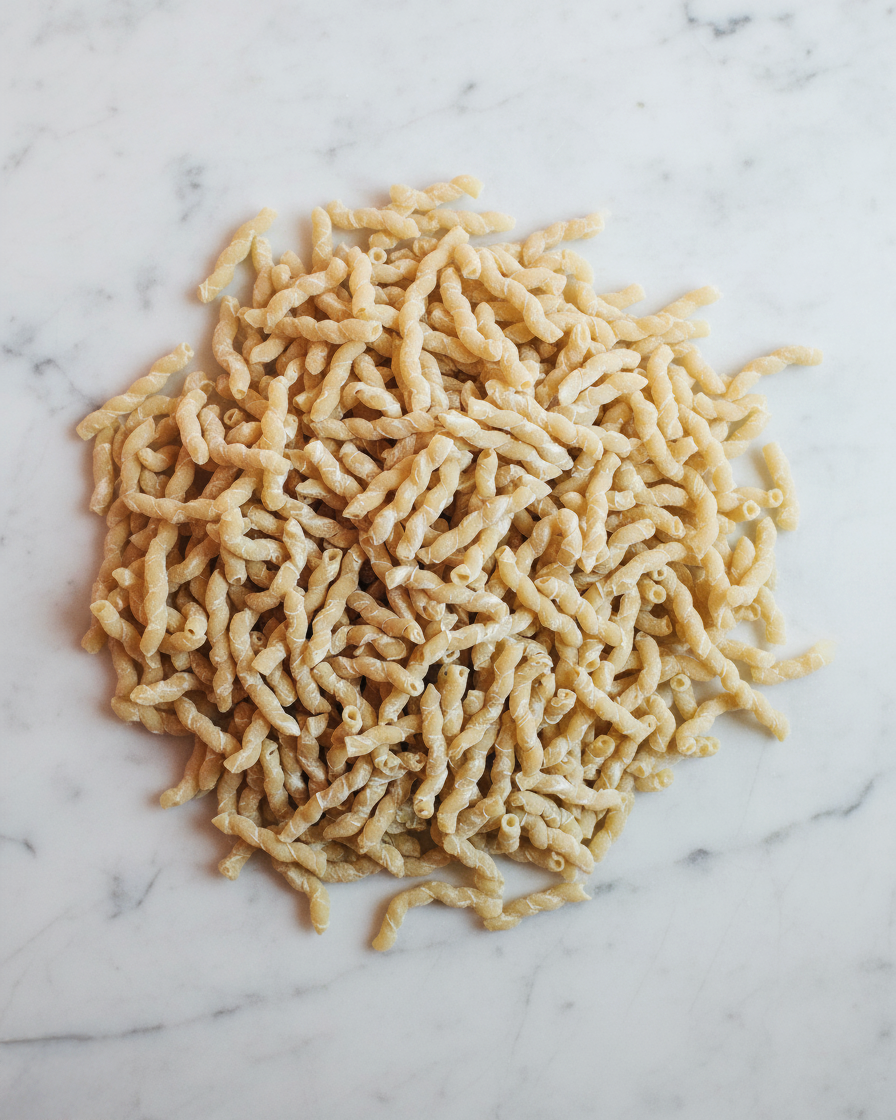
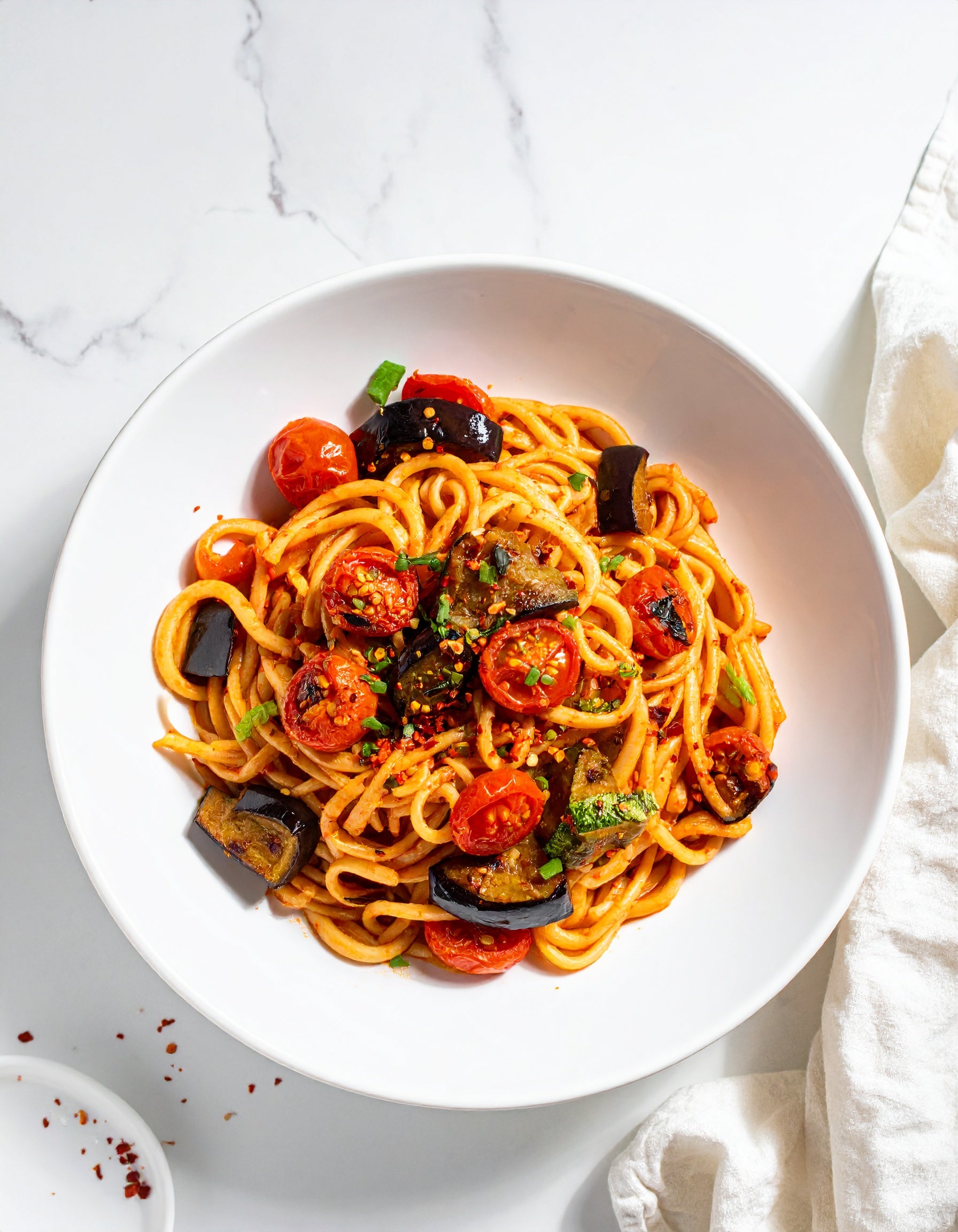
- Strangozzi are thick, flat, and rough, offering surface area without delicacy.
- Black truffle provides aroma, not bulk.
- Olive oil or butter acts as a solvent, releasing volatile compounds.
- Cheese, when used, is minimal and supportive.
Strangozzi does not compete with truffle. It stabilises it. Thin pasta would exaggerate aroma and feel empty; heavy sauces would suffocate it. This shape holds heat, carries fat, and allows truffle to remain fleeting — which is exactly how it should behave.
The dish succeeds when truffle is noticed but not announced.
How It Is Traditionally Made (Method Logic)
Historically, this dish is assembled, not cooked.
Truffle is never browned, fried, or treated aggressively. It is shaved raw or warmed gently by residual heat. The fat element — olive oil or butter, depending on area and period — exists only to transport aroma.
Pasta is cooked, drained, and dressed quickly. There is no simmering, no reduction, no layering of flavours. The entire logic depends on timing and proportion.
Anything that extends the cooking process weakens the dish.
Historical Use and Evolution
Originally, strangozzi with truffle would have been:
- Seasonal
- Domestic
- Extremely restrained
As truffle gained economic value and restaurant culture expanded, the dish changed.
Common modern additions include:
- Excess butter or oil
- Cream
- Garlic
- Overuse of cheese
These versions respond to expectation rather than tradition. Historically, truffle was used because it was available, not because it signalled luxury.
The irony is that as truffle became more central, the dish often became less Umbrian in spirit.
Where It Is Still Eaten Today
Today, strangozzi al tartufo nero appears:
- In Umbria during truffle season
- In trattorias near truffle zones
- In restaurants catering to visitors
The strongest versions are usually the simplest — often served without explanation, sometimes without cheese, and never overloaded.
Outside Umbria, the dish is frequently exaggerated, both in quantity of truffle and richness of sauce.
Fun Facts & Cultural Notes
- Truffle was historically considered a bonus, not a plan.
- Many Umbrian households would eat truffle only a few times per year.
- The dish has no fixed “canonical” recipe — restraint is the rule.
- Excess truffle is a modern distortion, not a sign of authenticity.
Traditional Recipe: Strangozzi al Tartufo Nero
Ingredients (serves 4)
- 400 g fresh strangozzi
- 25–40 g fresh black truffle (seasonal)
- 50 g unsalted butter or 4 tbsp extra virgin olive oil
- 30 g finely grated Pecorino (optional)
- Salt
Method
- Bring a large pot of salted water to the boil.
- Cook strangozzi until al dente.
- Warm butter or oil gently in a wide pan (do not brown).
- Transfer pasta to the pan, adding a little pasta water.
- Toss briefly to coat.
- Remove from heat.
- Add finely shaved truffle and optional cheese.
- Toss gently and serve immediately.
The dish should smell of truffle, not fat.
Plant-Based Alternative (Modern Interpretation)
Note: This version respects structure but does not claim historical authenticity.
Ingredients
- 400 g egg-free strangozzi
- Fresh black truffle (or high-quality seasonal alternative)
- 4 tbsp extra virgin olive oil
- Optional vegan aged cheese alternative
- Salt
Method
Follow the same process as the traditional version, relying on:
- oil as aroma carrier
- heat control
- restraint
The dish succeeds or fails on proportion alone.
Why This Dish Matters
Strangozzi al tartufo nero matters because it exposes a common misunderstanding.
Umbrian cuisine is not luxurious because it uses truffle.
It is intelligent because it knows how little truffle to use.
This dish is not about indulgence.
It is about knowing when to stop.
And that restraint is the real Umbrian tradition.