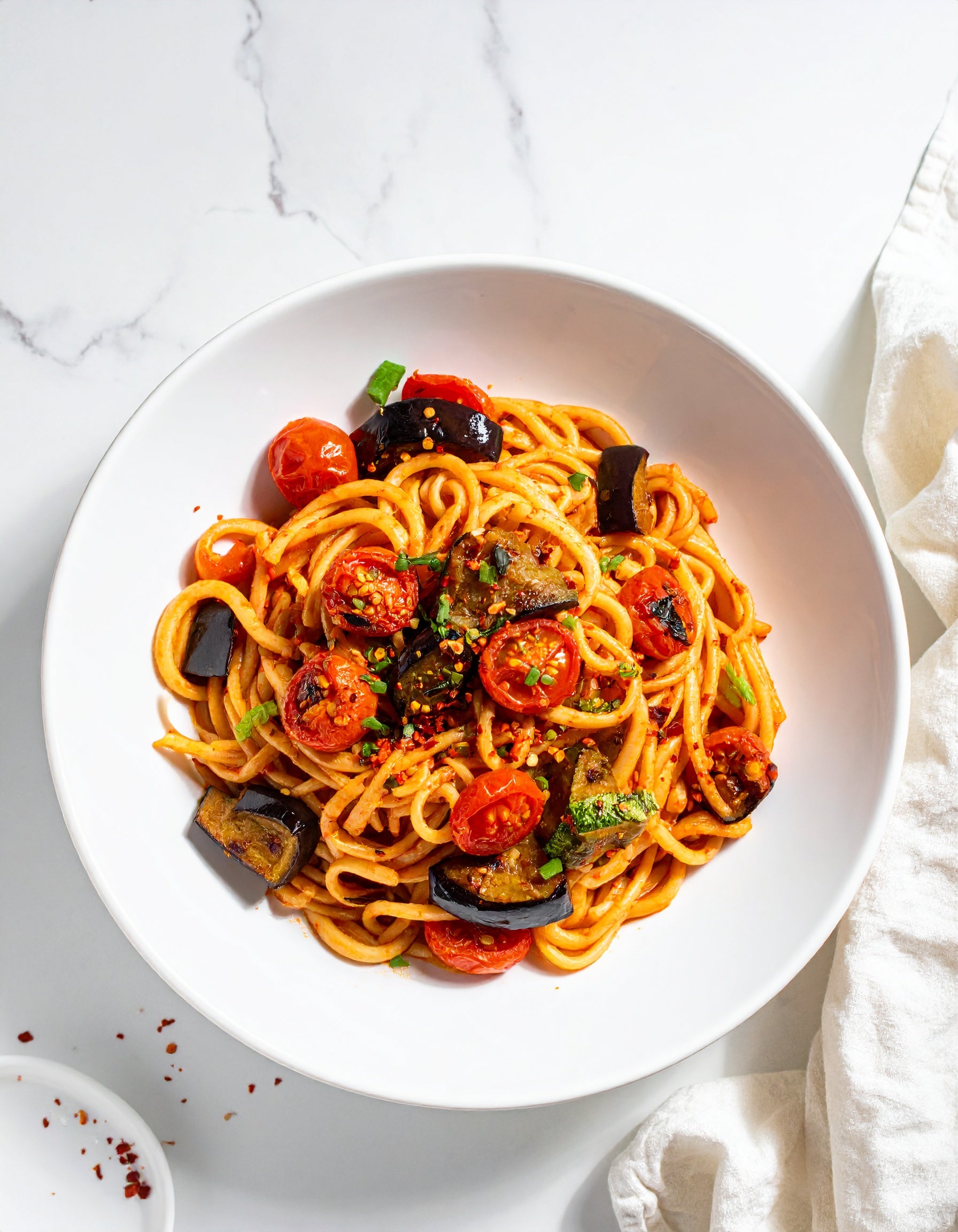
Recipe: Spaghetti alla Carbonara – The Golden Myth of Rome

Rome wakes up hungry.
Cobbled streets still glisten from the night’s rain, cafés hiss with steam, and somewhere in Trastevere a cook cracks an egg into a bowl. Not a timid crack, but a declaration. The yolk lands golden, heavy, deliberate.
That sound — that small, confident tap — is the opening note of Spaghetti alla Carbonara, the most debated, imitated, and misunderstood dish in Italian history.
Its ingredients read like a riddle: eggs, guanciale, pecorino, pepper, spaghetti. Nothing more, nothing less.
Yet its meaning stretches far beyond the plate. Carbonara is Rome’s metaphor for rebirth — humble ingredients reborn into something luminous, like sunlight caught in sauce.
History & Origins – Fact Over Fable
Few Italian recipes attract more mythology. Some claim Carbonara was born among coal workers (carbonai) in the Apennines, their pockets dusty with pepper and cheese. Others say it appeared in Rome after the Allied liberation of 1944, when American soldiers traded bacon and powdered eggs with local cooks.
The truth, as always, is layered.
There’s no record of “carbonara” before the mid-20th century; the first printed mention appears in 1950 in La Stampa, describing it as a Roman novelty made with eggs and bacon. Early versions used pancetta or even ham before guanciale became non-negotiable.
So yes, it’s modern — post-war, pragmatic, exuberant. But its DNA is ancient: it’s the same Lazio trinity — pork fat, cheese, black pepper — that defined Gricia and Amatriciana, with eggs added as a silky bridge.
In other words, Carbonara is Gricia’s child and Rome’s revenge against rationing.
Ingredients (Classic, Serves 4)
- 400 g spaghetti (or tonnarelli/spaghetti alla chitarra/lombrichelli)
- 150 g guanciale, cut into small batons
- 4 large egg yolks + 1 whole egg
- 100 g Pecorino Romano DOP, finely grated
- Freshly ground black pepper (generous)
No cream, no garlic, no onion, no parsley, no oil. The sauce is its own alchemy.
4. Preparation (Classic Method)
Step 1 – Guanciale Rendering
Start with a cold pan. Lay in the guanciale, cook slowly over low-medium heat until the fat melts and the meat turns golden. You want translucent fat and crisp edges. Remove the guanciale, keep the rendered fat.
Step 2 – The Egg Base
In a large bowl (off heat), whisk yolks, the whole egg, Pecorino, and plenty of pepper. It should look thick and paste-like. This mixture is the soul of the dish.
Step 3 – Pasta Cooking
Boil spaghetti until just before al dente. Scoop out 300 ml of the starchy water.
Step 4 – The Moment
Add pasta to the bowl of eggs while still hot but off the heat.
Toss vigorously. Splash in hot pasta water little by little until the sauce becomes glossy and creamy. Add the guanciale and a spoonful of its fat. Toss again.
Step 5 – Serve Immediately
Divide into bowls, dust lightly with more Pecorino and black pepper.
The sauce should coat each strand like liquid gold — never scrambled, never runny.
Technique & Logic – Heat, Fat, and Faith
Carbonara is a temperature game:
- Egg coagulation begins around 62 °C.
- The pasta, at 85–90 °C, must cool slightly before hitting the eggs.
- The goal is 68 °C — the zone where yolks thicken without curdling.
Starch water acts as a heat buffer and natural thickener; the guanciale fat supplies the emulsion base. Pecorino provides salt, body, and sharpness. Pepper cuts the richness, much like acidity would.
When done right, you get a sauce that’s neither scrambled eggs nor custard — it’s a suspension of proteins and fat so fine it glows.
Romans call it cremosità perfetta — perfect creaminess. And no, cream is never invited to the party.
Cultural Footnotes
- Earliest printed recipe: La Stampa, 26 July 1950 — “spaghetti alla carbonara” listed as new Roman specialty with bacon and eggs.
- Guanciale vs pancetta: Guanciale (cured pig jowl) became standard in Rome; pancetta is tolerated only outside Lazio.
- Cheese debates: Purists demand Pecorino Romano only; some modern Romans mix in Parmigiano Reggiano for balance, but the DOP definition remains Pecorino-based.
- Carbonara Day: 6 April each year, celebrated globally, established by the Italian pasta associations.
- Science note: The emulsified texture arises from lecithin in yolks and starch in pasta water forming a natural, stable emulsion — no cream required.
All these details appear in Italian culinary archives and DOP consortia literature.
Fun Facts & Roman Wit
- Romans say: “Chi mette la panna va in prigione.” — “Who adds cream goes to jail.”
- Another favourite: “La Carbonara non si insegna, si capisce.” — “Carbonara isn’t taught, it’s understood.”
- During the 2020 lockdown, Carbonara videos outnumbered TikTok dances in Italy for a week.
- In Roman slang, “stai in carbonara” means “you’re caught red-handed” — another nod to its sticky perfection.
- The dish’s colours — gold and black — mirror the Vatican flag; some Roman chefs call it “the Pope’s pasta.”
Closing Reflection – The Philosophy of Fire and Patience
Carbonara is the story of Rome after the fall: resourceful, defiant, hungry for light. It was born when food was scarce and optimism was rationed, yet it became a hymn to abundance through precision.
Each bowl teaches that richness doesn’t come from cream, but from courage — the courage to stop heating, to trust timing, to let warmth, not fire, finish the job.
In that small moment of restraint, Rome reveals itself: loud, passionate, but ultimately in control.
Spaghetti alla Carbonara is not just food — it’s a moral:
the power of knowing when to stop.

Vegan Alternative Recipe – The Plant-Based Alchemy
The philosophy here isn’t substitution. It’s structure.
A good vegan Carbonara works because the architecture of flavour is respected:
- a creamy emulsified base
- salty/umami notes
- a “fat crunch” topping
- heat from pepper
- the gloss created by starchy pasta water
Below is the core recipe, followed by topping variations that let you shift the dish from smoky to earthy to Mediterranean.
Ingredients (serves 4)
The Sauce Base
- 400 g spaghetti
- 1 small onion, finely diced (optional; adds depth and sweetness)
- 200 ml unsweetened soy milk
- 1 tbsp nutritional yeast
- 1 tbsp white miso or tahini (umami + fat)
- 2 tbsp extra-virgin olive oil
- ½ tsp smoked paprika or 1 tbsp finely diced smoked tofu
- 1 tbsp cornflour dissolved in 2 tbsp cold water
- Freshly ground black pepper (generously)
- Salt to taste
Method
- Sauté the base. Warm the olive oil in a pan. Add the onion (if using) and cook until soft and translucent.
- Build the cream. Pour in soy milk, miso (or tahini), and nutritional yeast. Stir gently.
- Thicken.Add the cornflour slurry. Let the sauce simmer on low heat until it becomes glossy and lightly coats the back of a spoon. Do not boil aggressively — you want silk, not pudding.
- Cook the pasta. Boil in salted water. Reserve at least 1 cup of starchy water.
- Emulsify. Add the cooked pasta into the sauce and toss. Add starchy water little by little until the sauce turns creamy and coats each strand.
- Finish. Crack black pepper like you mean it — it’s the backbone, not a garnish.
Topping Variations
Below are the two options you requested (crispy tofu + fried aubergine), plus four more thoughtful additions that respect the Carbonara logic.
1. Crispy Tofu “Guanciale” (High-Protein Option)
This topping gives you crunch, fat, salt, and chew — the structural role of guanciale.
Ingredients
- 200 g firm tofu, pressed
- 1 tbsp soy sauce
- 1 tsp maple syrup (optional)
- ½ tsp smoked paprika
- 1 tsp olive oil
- Black pepper
Method
Cut tofu into small cubes or lardons. Toss with soy sauce, paprika, olive oil, and a tiny drizzle of maple to help browning.
Pan-fry until crispy and deep golden.
Scatter over the pasta just before serving.
2. Fried Aubergine Cubes (Sicilian Soul Option)
Aubergine gives you the creamy interior + crisp fat exterior — a fantastic plant replacement for guanciale’s mouthfeel.
Ingredients
- 1 large aubergine
- Olive oil for shallow frying
- Salt
- A squeeze of lemon (optional)
Method
Dice aubergine into 1–2 cm cubes. Salt for 20 minutes to draw out moisture (optional but better). Pat dry.
Fry until crisp outside and soft inside. Drain on paper towels and season lightly.
Add on top of the pasta — the contrast is gorgeous.
3. Oyster Mushroom “Bacon”
Torn oyster mushrooms pan-fried in olive oil with smoked salt and pepper until deeply crisp. Gives umami + chew without overpowering the sauce.
4. Toasted Hazelnut Crumbs
A sophisticated option: crushed toasted hazelnuts mixed with black pepper and nutritional yeast. Adds crunch and a subtle roasted aroma.
5. Crispy Chickpeas with Paprika
Pan-fried or oven-roasted chickpeas tossed with smoked paprika, pepper, and olive oil. High-protein, crackly texture, great salt carrier.
6. Grilled Courgette “Petals”
Thinly sliced courgette brushed with oil, grilled until lightly charred, then torn into strips. Adds vegetal sweetness and a hint of smoke.