Recipe: Rigatoni alla Gricia – The Silence Before the Tomato
Not all great sauces speak loudly.
Some whisper, like the wind that runs through the high pastures of Lazio, past the dry stone walls, through the sheepfolds and the hanging pork.
In the mountain villages near Amatrice — Grisciano among them — the colour red never reached the plate. There was no tomato yet, no New World sweetness, just the old logic of the shepherd: salt, fat, heat, and starch.
From this world came La Gricia — the mother of Amatriciana, the white ancestor, the quiet queen of Roman pasta.
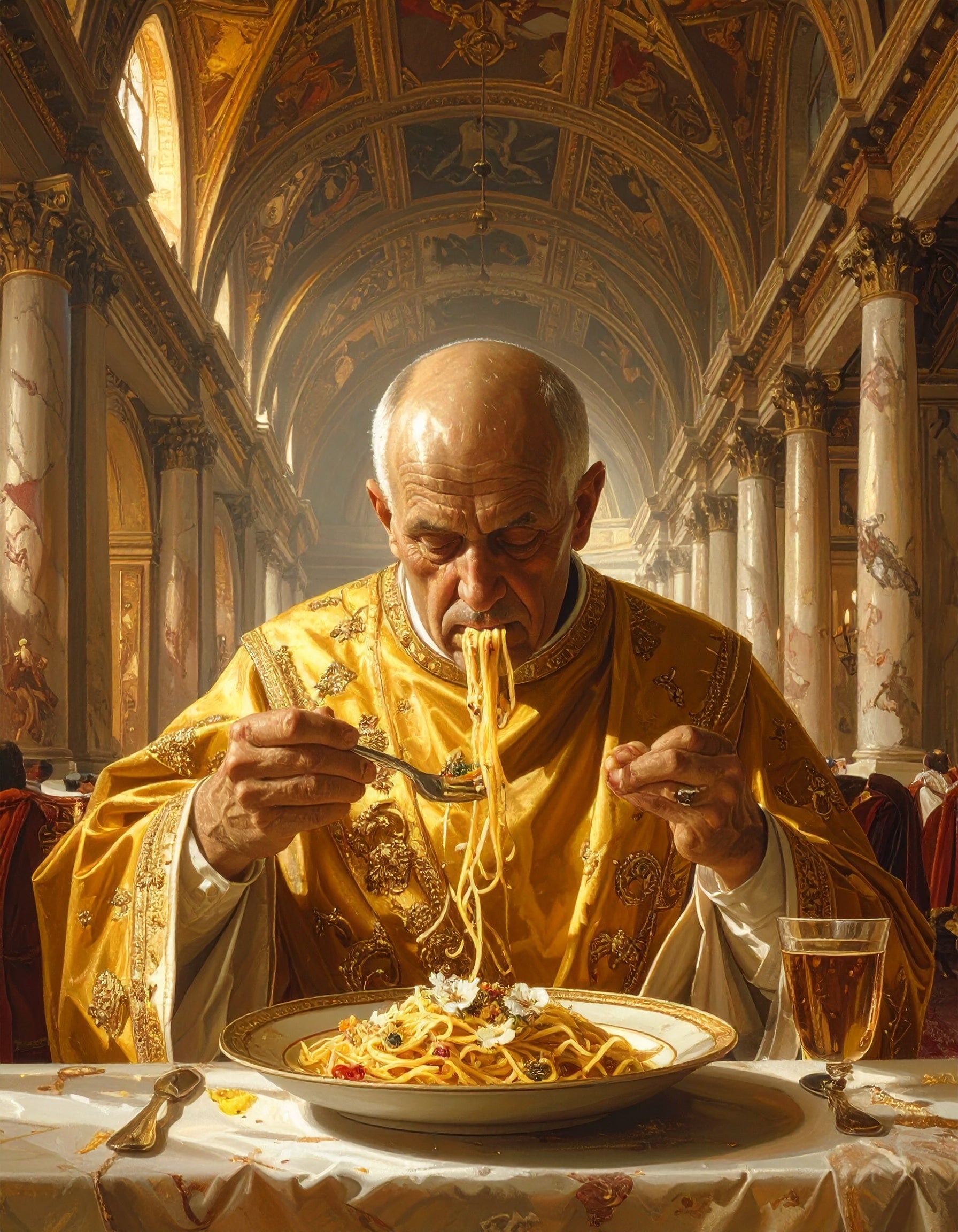
Where Cacio e Pepe is austere and Carbonara indulgent, Gricia is balanced — a perfect in-between, a hymn to patience. It’s the sauce that happens when nothing happens. The moment before history adds colour.
 History & Origins – Before the Red Sea Arrived
The name likely comes from Grisciano, a hamlet near Amatrice, or from gricio, an old Roman word for bakers from the Swiss canton of Grisons who sold bread and groceries. Either way, it marks an ancient crossroad between shepherd routes and trade roads.
Long before tomatoes entered Italy in the late 16th century, shepherds travelling across the Apennines carried guanciale, pecorino, and dried pasta. These three formed the backbone of survival cuisine: concentrated calories, preservable, deeply flavourful.
When tomatoes later met guanciale, Amatriciana was born. But Gricia remained — a memory of simplicity, unpainted but complete.
Roman food writers sometimes call it “l’Amatriciana in bianco” — the white Amatriciana — but that undersells it. Gricia isn’t absence; it’s restraint.
 Ingredients (Classic, Serves 4)
- 400 g rigatoni (or mezze maniche)
- 150 g guanciale, cut into lardons
- 100 g Pecorino Romano DOP, finely grated
- Freshly ground black pepper
- Salt (for pasta water)
That’s it — the entire score. Four instruments, endless symphony.
Preparation (Classic Method)
Step 1 – Render the Guanciale
Place guanciale in a cold pan. Warm gently over low heat. The fat will melt slowly, turning translucent before crisping at the edges. Remove the pieces and keep both fat and pan warm.
Step 2 – Cook the Pasta
Boil rigatoni until al dente. Reserve 300–400 ml of the starchy cooking water.
Step 3 – Emulsion
Add a ladle of the hot pasta water to the guanciale fat. Stir to combine — the starch starts binding to the fat. Add the pasta directly to the pan and toss.
Step 4 – Marry the Sauce
Off the heat, sprinkle in the Pecorino and a rain of black pepper, tossing constantly. Alternate cheese and hot water until a smooth, glossy cream coats every rigatone.
Step 5 – Serve
Plate immediately. Add the crisped guanciale on top, a dusting of Pecorino, and one final crack of pepper.
Technique & Logic – Harmony Without Colour
Every Roman sauce plays on three forces: salt, fat, and starch.
In Gricia, they are perfectly exposed — no tomato to distract, no egg to soften, no wine to cut.
- Guanciale fat carries umami and texture, creating a lipid base that emulsifies naturally with starchy pasta water.
- Pecorino Romano provides salinity and protein; when mixed properly at a low enough temperature, it forms a creamy suspension instead of clumps.
- Black pepper adds sharpness and fragrance, amplifying the cheese’s tang.
Because there’s no tomato acidity, the balance depends entirely on timing and proportion. Too much fat, and it feels heavy; too little water, and it’s chalky.
To make Gricia well is to understand what not to add.
That’s why Roman chefs call it “la prova del cuoco” — the cook’s test.
Cultural Footnotes
- Origin: Believed to predate the 17th century; considered one of the oldest documented forms of Roman pasta dressing.
- Rigatoni vs mezze maniche: Rigatoni are traditional, but mezze maniche alla gricia (short tubes) are also classic in Rome.
- Historical link: Gricia is often described as the “proto-Amatriciana”; it remained dominant in mountain Lazio until tomato cultivation spread widely in the 18th–19th centuries.
- Shepherd lore: Guanciale was sometimes replaced with lardo or strutto during lean months, confirming its origins in pastoral cooking.
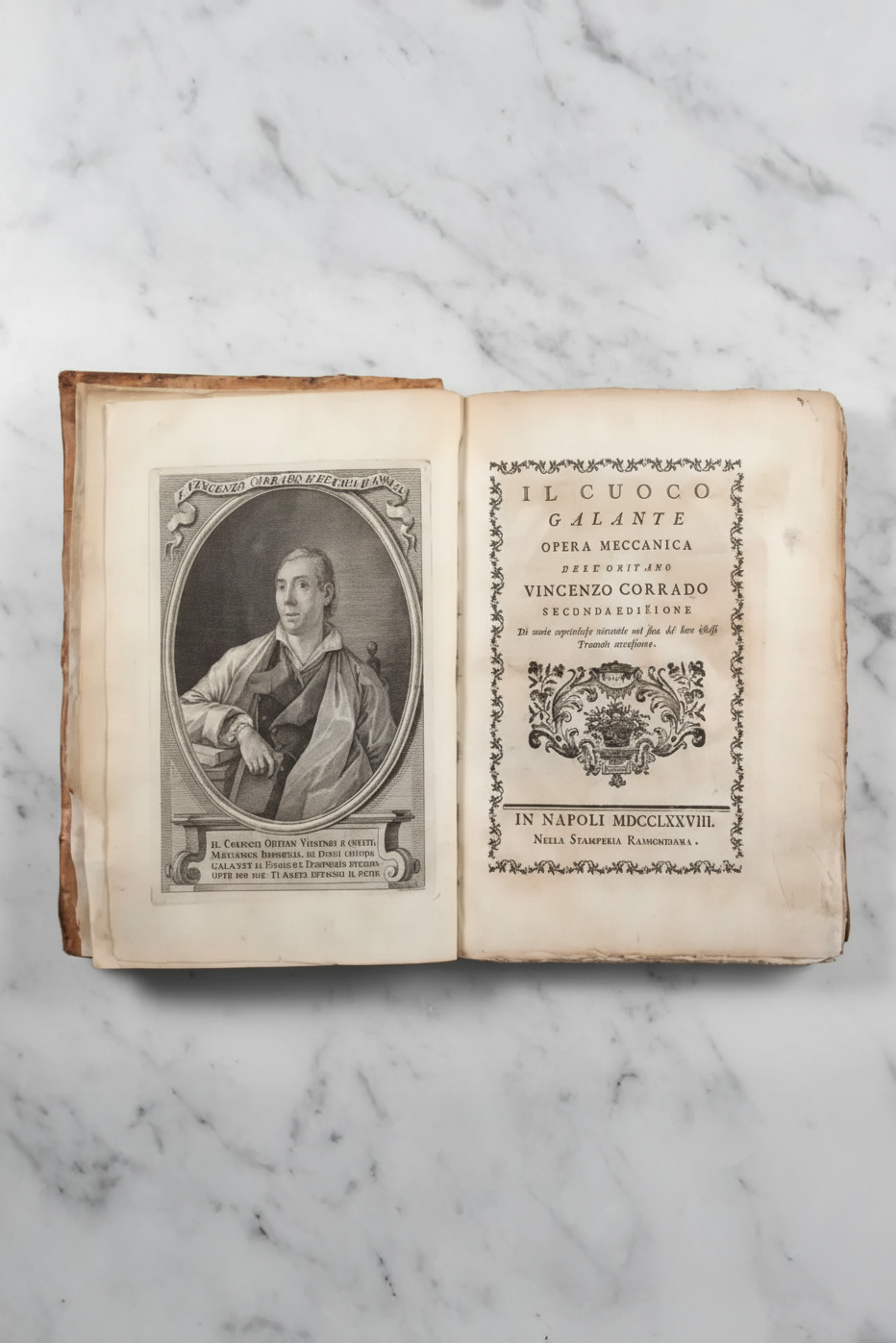
- All details verified in regional cookbooks and food history archives (La Cucina Romana Tradizionale, Slow Food Editore, 2016).
Fun Facts & Roman Wit
- Romans tease tourists who ask for “white Amatriciana”: “È la Gricia, amore, non un errore di stampa.” — “It’s Gricia, darling, not a printing error.”
- In Roman slang, “fare la gricia” means keeping something simple but perfect.
- The sauce’s pale sheen is sometimes described as “l’oro dei pastori” — shepherds’ gold.
- It’s said that the test of a true Roman cook is to make Cacio e Pepe without panic, Carbonara without cream, and Gricia without apology.
Closing Reflection – The Pause Between Notes
If Amatriciana is opera, Gricia is the silence between verses — the point where you hear your own breath.
It teaches that flavour doesn’t need flourish; it needs patience. It’s a recipe made of trust — trust in timing, in proportion, in the idea that subtraction can be art.
There is beauty in what hasn’t yet been coloured, music in the unplayed chord, pleasure in the pause before the tomato arrives.
When you taste a true Rigatoni alla Gricia, you taste the moment before invention — the calm before the world discovered red.
And sometimes, that calm is enough.
 Vegan Alternative Recipe – The Quiet Balance
To create a plant-based Gricia, you must build depth without dairy or pork, but still obey its geometry: fat + starch + salt = cream.
Ingredients (serves 4)
- 400 g rigatoni
- 3 tbsp extra-virgin olive oil (or a mix of olive and coconut oil for body)
- 1 tbsp soy sauce or tamari
- 1 tbsp white miso paste (for umami)
- 3 tbsp nutritional yeast
- 150 ml starchy pasta water
- Freshly cracked black pepper
- Optional: small cubes of smoked tofu or tempeh for texture
Method
- Warm olive oil; add tofu cubes if using. Let them crisp slightly, then deglaze with soy sauce.
- Add a ladle of pasta water, miso, and nutritional yeast; whisk into a creamy emulsion.
- Add cooked rigatoni; toss off the heat, adding more pasta water as needed.
- Finish with black pepper. Serve glossy, never oily.
The result isn’t imitation — it’s resonance: the same soft saltiness, the same starch-fat gloss, the same humility.
Romans would call it “una cosa fatta bene” — something done right.