Recipe: Ciriole alla Ternana
Historical Introduction
Ciriole alla Ternana belongs to Terni, not to the countryside.
This matters immediately. Terni developed differently from much of Umbria: more industrial, more connected, more exposed to Lazio and Rome. Where rural Umbrian cooking is conservative and inward, Terni absorbed change earlier — including tomato, chilli, and simpler, faster cooking methods.
Ciriole alla Ternana likely consolidated in the late 19th to early 20th century, when tomato had fully entered central Italian everyday cooking and urban workers needed food that was cheap, filling, and repeatable. This is not festival food and not peasant nostalgia. It is weekday pasta.
The dish reflects a city that cooked for labour, not leisure.
Why This Dish Works
Ciriole alla Ternana works because it is direct.
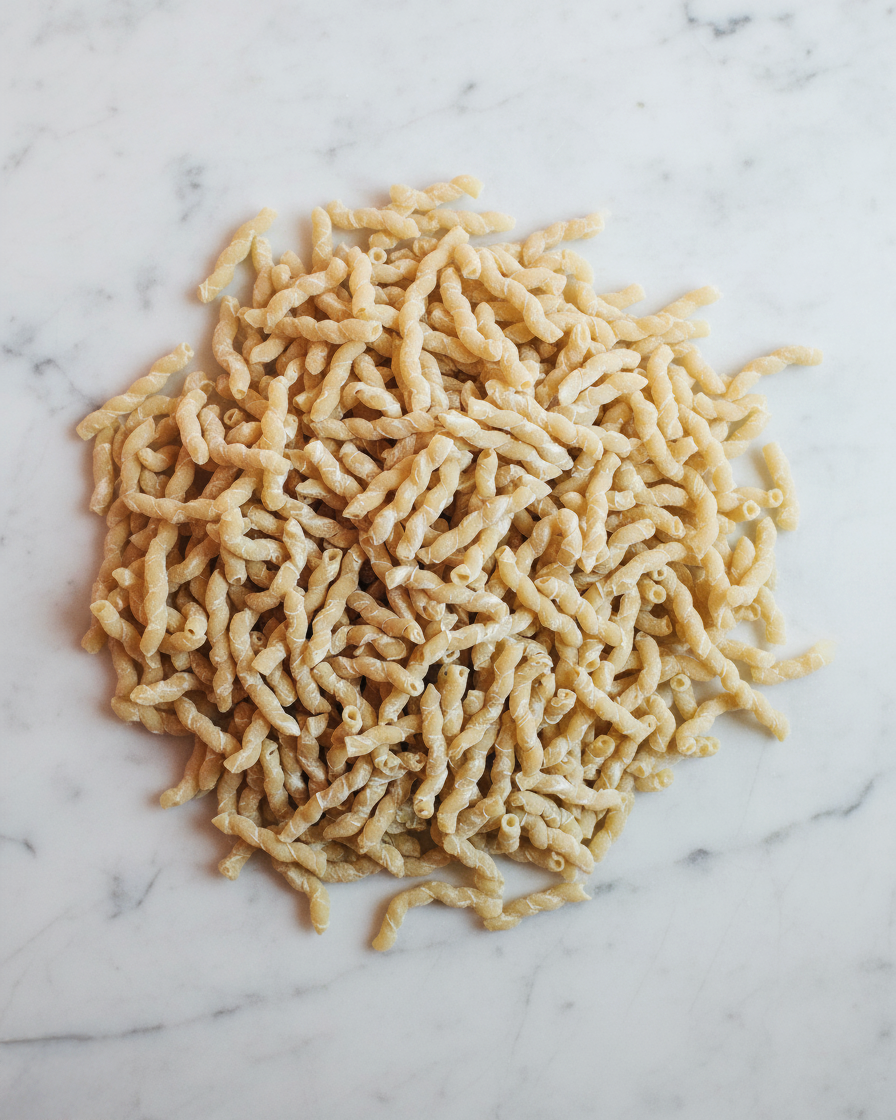
- Ciriole are water-only, neutral, and thick enough to hold sauce.
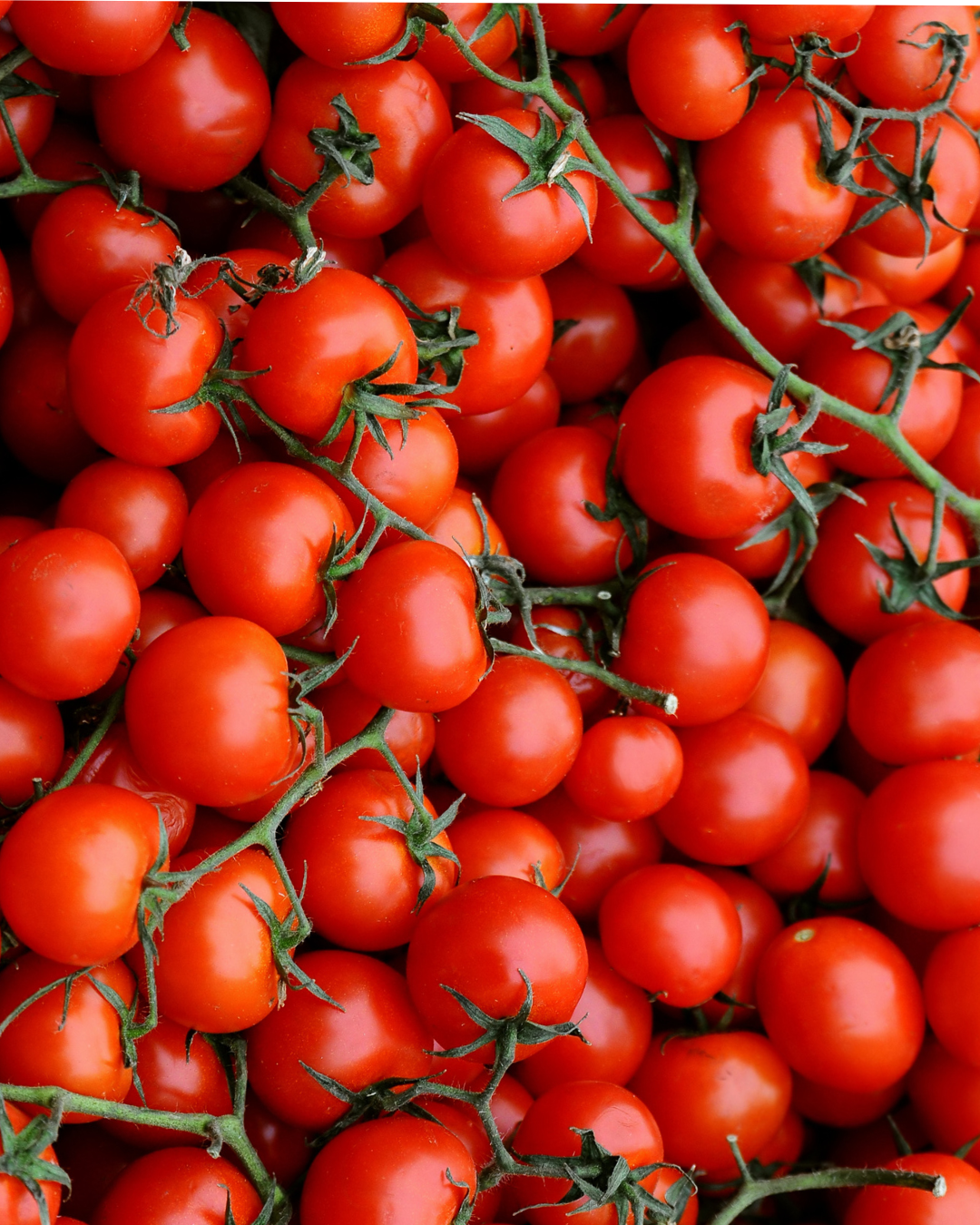
- Tomato provides acidity and moisture, not sweetness.
- Chilli adds heat, not complexity.
- Garlic sharpens, then disappears.
Nothing is rounded, softened, or padded. The pasta acts as a carrier, the sauce as fuel. The balance is linear: starch, acid, heat, fat.
This dish would collapse if made delicate. Thin pasta would vanish. Rich additions would slow it down. Ciriole alla Ternana succeeds because it stays lean and assertive.
How It Is Traditionally Made
Traditionally, the sauce is built quickly.
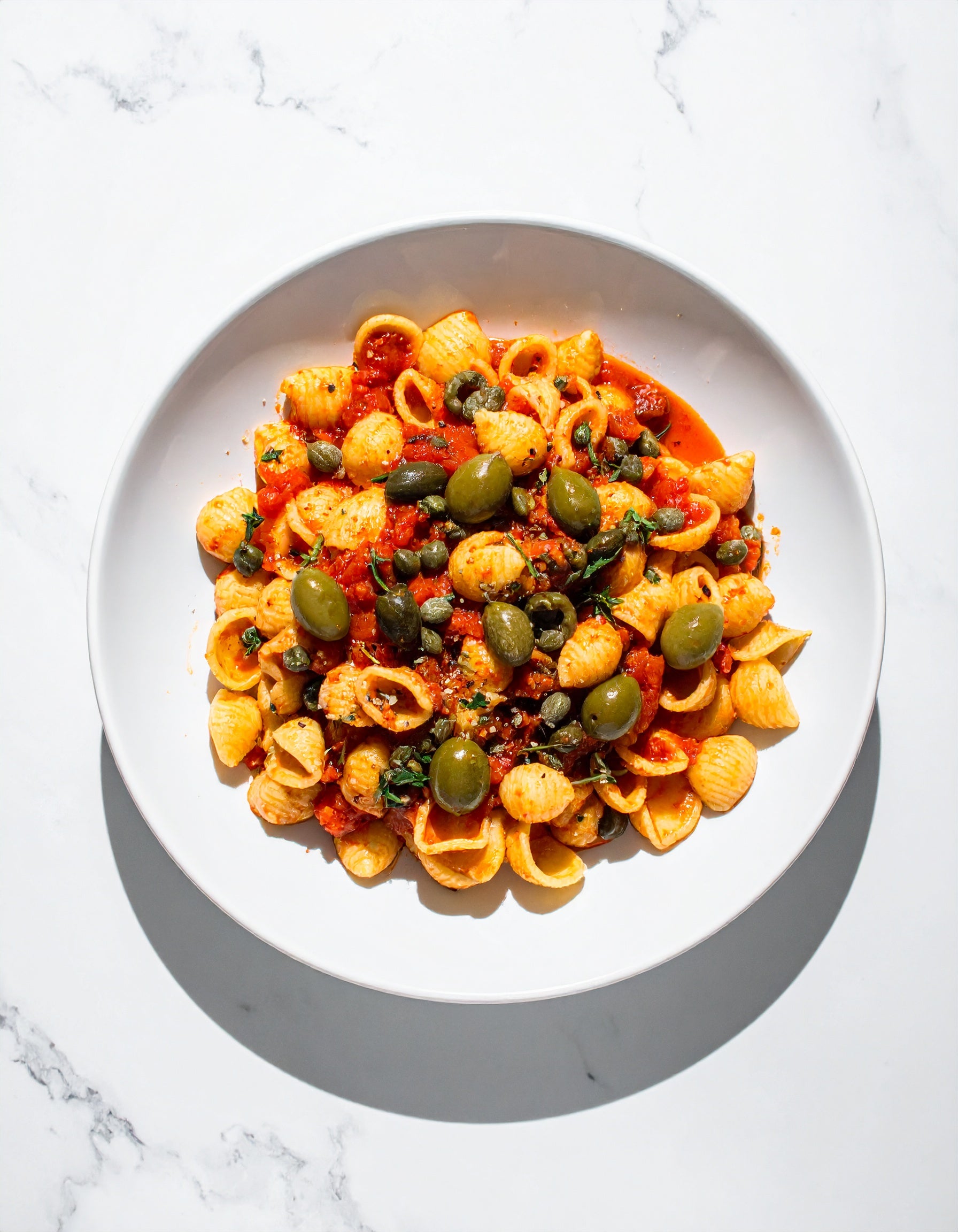
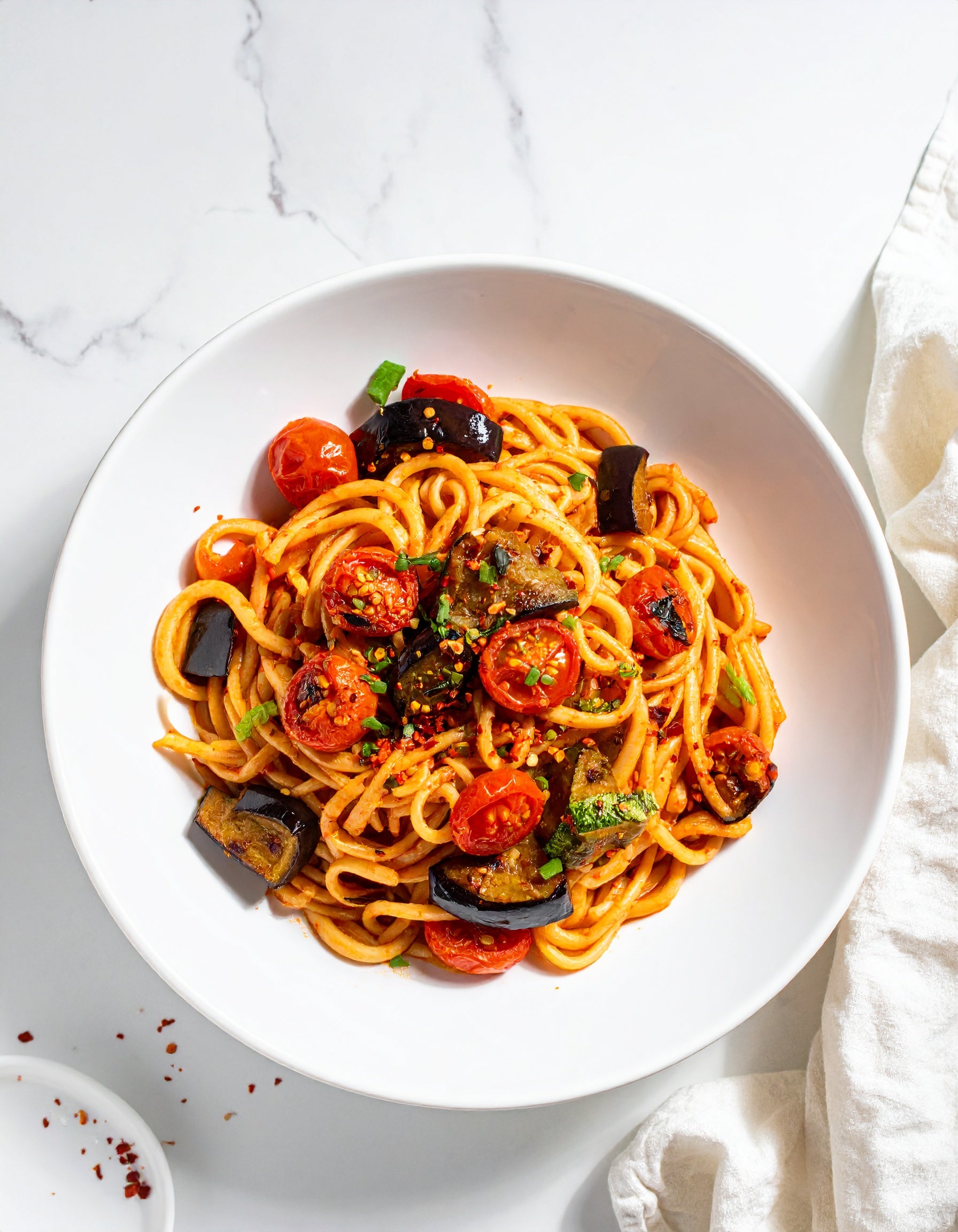
Garlic is warmed briefly in olive oil, then tomato is added and cooked just long enough to lose rawness. Chilli appears early and stays present. The sauce is not reduced to concentration; it remains fluid and functional.
Ciriole is cooked al dente and finished directly in the sauce. No layering, no resting, no finishing flourishes.
The goal is immediacy. This is pasta meant to be eaten hot, fresh, and without ceremony.
Historical Use and Evolution
Ciriole alla Ternana represents one of Umbria’s clearest breaks from pre-tomato cooking.
Unlike rural dishes where tomato was introduced cautiously and often combined with meat, here tomato stands on its own. This reflects:
- urban supply chains
- lower cost of canned tomatoes
- faster cooking rhythms
Over time, variations appeared:
- addition of pancetta or sausage in some households
- heavier use of garlic
- occasional cheese (never dominant)
But the core remains unchanged. At heart, this is a poor dish done well, not a base for enrichment.
Where It Is Still Eaten Today
Ciriole alla Ternana is still eaten:
- in Terni and surrounding areas
- in traditional trattorias
- in home kitchens as a reliable staple
- It rarely appears outside its territory, and when it does, it is often misunderstood — either overcomplicated or softened to suit external tastes.
In Umbria, it survives because it remains useful.
Fun Facts & Cultural Notes
- Ciriole alla Ternana is often compared to Roman pasta, but it is firmer and less indulgent.
- Cheese is optional and historically secondary.
- The dish is associated with labourers, not celebration.
- Its simplicity is its integrity — embellishment weakens it.

Traditional Recipe: Ciriole alla Ternana
Ingredients (serves 4)
- 400 g fresh ciriole
- 400 g good-quality canned tomatoes (crushed)
- 2 tbsp extra virgin olive oil
- 1–2 cloves garlic, lightly crushed
- Dried chilli or fresh chilli, to taste
- Salt
Method
- Bring a large pot of salted water to a boil.
- Warm olive oil in a wide pan.
- Add garlic and chilli, cooking gently until fragrant.
- Add tomatoes and salt; simmer 10–15 minutes until just cooked.
- Cook ciriole until al dente.
- Transfer pasta to the sauce with a little pasta water.
- Toss briefly and serve immediately.
No garnish. No delay.
Why This Dish Matters
Ciriole alla Ternana shows that Umbria is not only rural, slow, or introspective.
It has cities.
It has workers.
It has urgency.
This dish proves that Umbrian pasta can be fast, hot, and uncompromising — without losing coherence.
Where Norcina explains preservation, and truffle explains restraint, Ciriole alla Ternana explains function.
And without it, the Umbrian story would be incomplete.