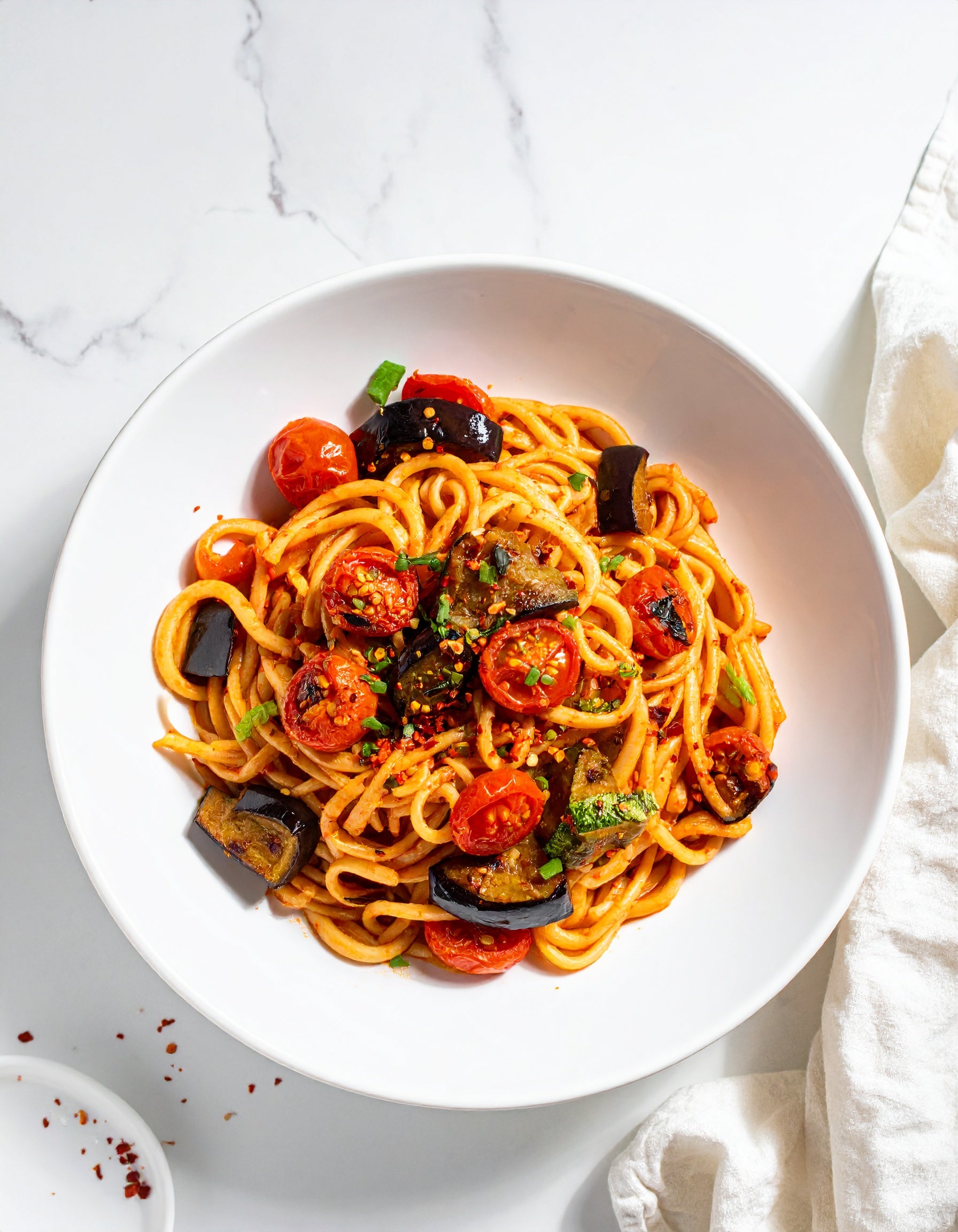
Recipe: Pici all’Aglione — The Whispering Thunder of Tuscany
 In the Valdichiana, evening arrives like a slow exhale. The hills blush gold, the air cools, and somewhere between the wheat fields and the rows of beans you can smell dinner before you see it.
Aglione — the giant Tuscan garlic — hits the pan with a sigh instead of a scream. Unlike the sharp, aggressive bulbs sold everywhere else, aglione is gentle, almost floral. It doesn’t punch; it embraces. It melts into tomato like poetry dissolving into water.
Inside a farmhouse kitchen, someone starts rolling pici. No machines, no shortcuts. Just flour, warm water, and hands that know what they’re doing. The dough softens, stretches, coils into long ropes that never match in length or thickness — every strand a small act of rebellion.
Children wander in, sniffing. A grandmother gives them pieces of dough to play with, judging silently. Outside, fireflies blink across the field. Inside, the sauce murmurs on low heat, a red that promises comfort.
When the pici are finally dragged through that silky aglione sauce, the whole room smells like home, even if you’ve never lived here.
This is Tuscany stripped bare: a region that proves simplicity isn’t poverty — it’s confidence.
History & Origins
Pici might be the oldest hand-rolled pasta in central Italy, with roots reaching Etruscan times — flour-and-water strands cooked with legumes, herbs, and oil. But the modern dish took shape in the rural zones around Montepulciano and the Valdichiana, where wheat grew strong, garlic grew enormous, and people grew very good at stretching the minimum into the maximum.
Aglione — the giant garlic — has been cultivated here for centuries. It nearly went extinct when industrial garlic flooded the market. A few stubborn farmers kept it alive, insisting (correctly) that nothing can replace its sweetness, its perfume, or the way it carries through a sauce without turning bitter.
Together, pici and aglione became a culinary dialect: frugal, humble, clever, and delicious.
Ingredients & Local Produce
What makes this dish unmistakably Tuscan is the clarity of its parts:
- Pici: flour + warm water + patience
- Aglione: the mellow giant
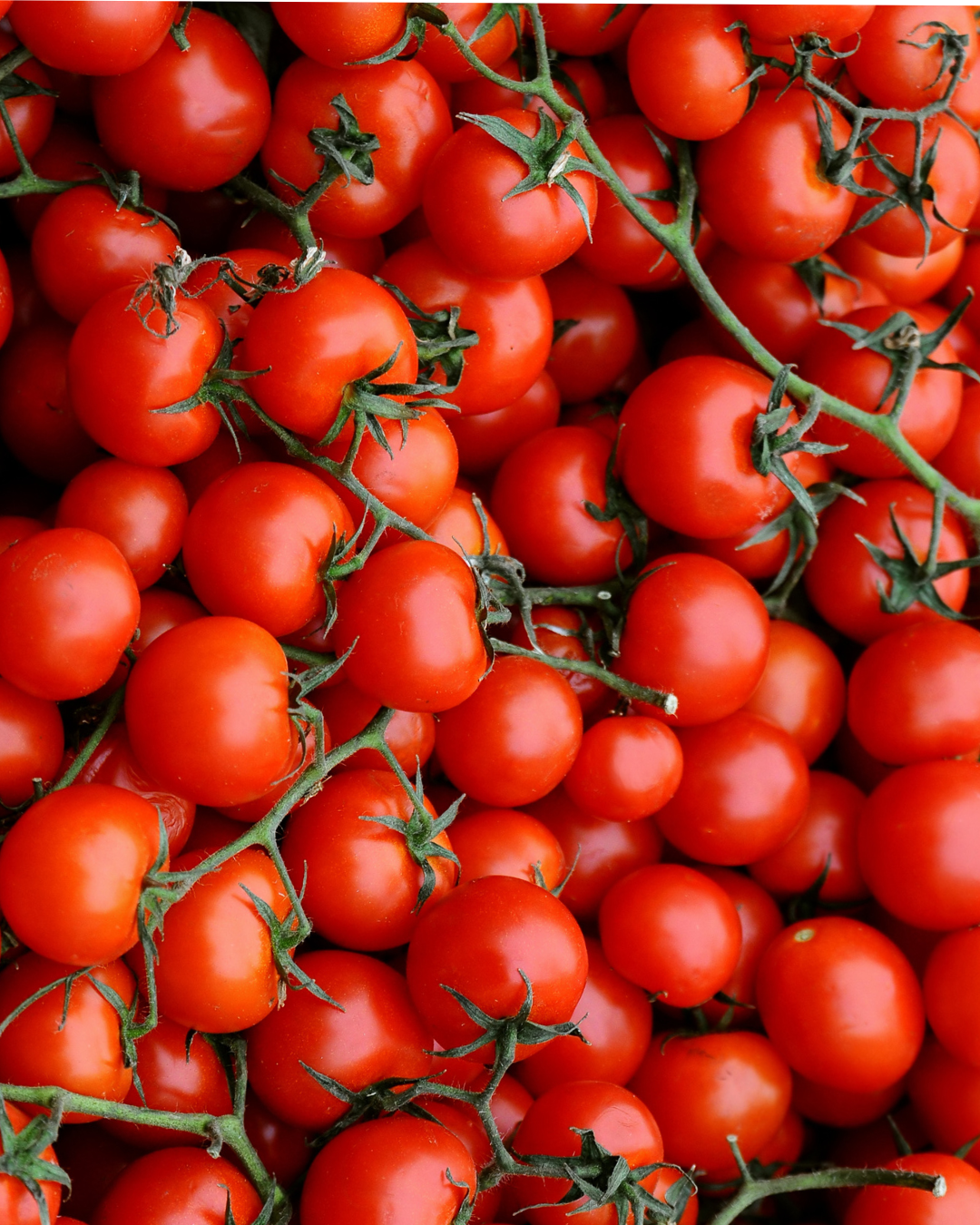
- Tomatoes: end-of-summer preserves or ripe fresh ones
- Olive oil: green, peppery, unapologetically Tuscan
- Pecorino: optional, but heavily implied by local custom
These aren’t ingredients. They’re characters.

Classic Recipe — Pici all’Aglione
(Serves 4–6)
Ingredients
For the pici:
- 400 g flour (00 or a mix with semola)
- 200–220 ml warm water
- 1 tbsp olive oil (optional)
- Pinch of salt
For the aglione sauce:
- 4–5 cloves aglione (or substitute with 2 large garlic cloves + 1 small shallot)
- 4 tbsp extra-virgin olive oil
- 600–700 g tomato passata or peeled tomatoes
- Salt
- Fresh basil (optional)
Method
-
Make the dough.
Mix flour, salt, water, and oil until a smooth dough forms. Knead 8–10 minutes. Cover and let rest 30 minutes. -
Roll the pici.
Cut dough into walnut-sized pieces. Roll each into long ropes, thicker than spaghetti but thinner than breadsticks. Imperfection is mandatory. -
Start the sauce.
Smash the aglione gently. Warm olive oil in a pan and cook the garlic slowly until soft but not brown. -
Add tomatoes.
Stir in passata or crushed tomatoes. Season lightly. Simmer 25–30 minutes on low heat. -
Cook the pici.
Boil in salted water 5–7 minutes, depending on thickness. They should be chewy, elastic, and alive. -
Combine.
Drop pici straight into the sauce. Add a ladle of pasta water. Toss gently until glossy. -
Finish.
Taste. Adjust salt. Add basil only if the grandmother allows it.
Serve immediately with a drizzle of raw olive oil. Pecorino optional but highly recommended.
Regional Variations & Modern Echoes
- In Montepulciano, the sauce is chunkier.
- In Siena, it’s smoother, almost creamy.
- Some families add a splash of white wine.
- Modern trattorias add chili flakes — scandalous but delicious.
Chefs today love serving pici with:
- roasted tomatoes
- fava-bean purées
- mushroom ragù
…but pici all’aglione remains the soul of the shape.
The Philosophy of the Dish
Pici all’aglione is Tuscany at its most clear-headed:
- The shape is humble.
- The sauce is honest.
- The flavour is generous.
- The technique is ancient.
- The result is pure comfort without showmanship.
Tuscany doesn’t need to impress.
It just needs to be itself.
Fun Facts & Cultural Notes
- Aglione is so gentle locals call it “kissable garlic.”
- Old farmers judge pici thickness the way sommeliers judge wine — dramatically.
- The dough is often rolled at the table while gossiping.
- Some Sienese families forbid cheese on aglione; others say it’s mandatory.
- In medieval times, pici were used to feed harvest workers — the original carb-loading.