Pasta at the Dawn of Modern Italy: Francesco Leonardi and L’Apicio Moderno
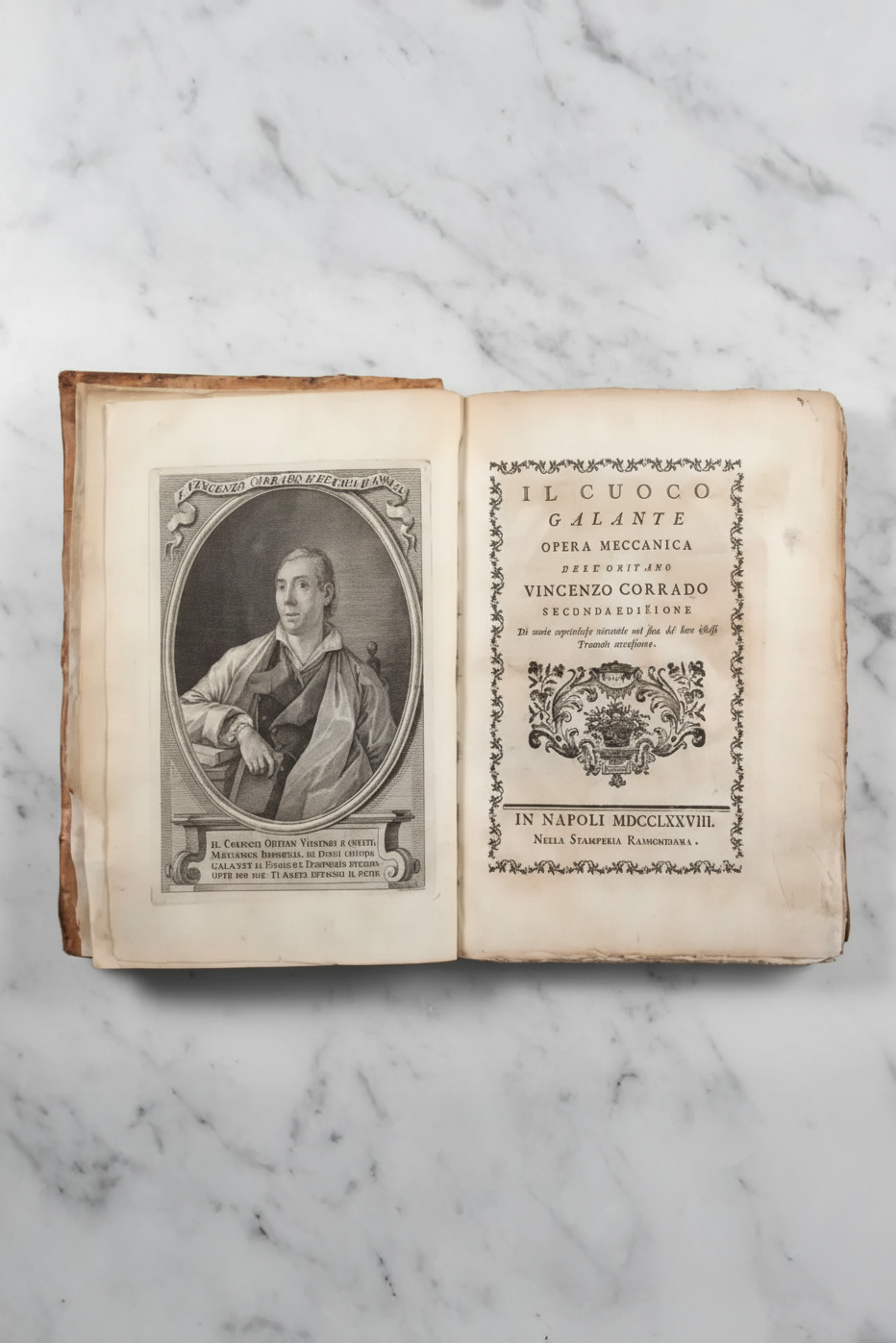
By the late 18th century, pasta had transformed from a Renaissance curiosity into a beloved and versatile staple of Italian life. In cities from Naples to Rome, tables were graced with steaming bowls of macaroni, delicate stuffed pasta, and baked lasagna, reflecting centuries of culinary evolution. One chef who documented and shaped this transformation was Francesco Leonardi, whose cookbook L’Apicio Moderno, written in the 1790s, stands as a bridge between Italy’s ancient culinary traditions and the modern innovations of the time.
Leonardi, inspired by the classical Roman gourmet Apicius, sought to modernize Italian cuisine, blending ancient techniques with contemporary ingredients and sensibilities. His work is remarkable not only for its recipes but for its approach: pasta is treated as both nourishment and art, capable of comforting the everyday diner while impressing at lavish banquets.
The Italian Kitchen in the Late 1700s
Leonardi lived at a fascinating culinary crossroads. Italy was embracing new ingredients and technologies:
- Tomatoes, introduced from the New World, were becoming a cornerstone of southern and central Italian pasta dishes.
- Dried pasta, mass-produced using mechanized presses and bronze dies, allowed for consistent shapes and textures.
- Stuffed pasta, like ravioli and tortellini, was celebrated for its elegance and versatility.
- The refinement of sauces and layering techniques showed a growing sophistication in Italian kitchens.
In Leonardi’s world, pasta was no longer just a practical food; it was a canvas for flavors, textures, and culinary creativity. Recipes in L’Apicio Moderno reflect this duality, offering dishes for both the common household and the opulent banquet.
Leonardi’s Pasta Philosophy
Leonardi emphasized that shape, sauce, and seasoning must harmonize. Tubular pasta was ideal for thick sauces; flat sheets were perfect for layering; delicate stuffed pasta suited light broths. His attention to detail — from cooking times to sauce consistency — laid the groundwork for what would become the modern Italian approach to pasta.
He also treated pasta as an ingredient with regional identity. Neapolitan traditions, Roman flavors, and northern Italian refinements all found their place in his book. This blending of regional styles shows that by the 1790s, pasta had evolved into a truly national culinary language, even before Italy was a unified country.
5 Iconic Pasta Recipes from L’Apicio Moderno
Here are some of Leonardi’s standout pasta recipes, which exemplify both the practical and sophisticated sides of 18th-century Italian cooking:
Maccheroni in Brodo di Carne
Tubular pasta served in a rich, aromatic meat broth. The pasta absorbs the flavors of the broth, creating a comforting, hearty dish that was practical for everyday meals yet refined enough to be served at small gatherings.
Ravioli Ripieni di Carne e Spezie
Delicate pockets of pasta filled with spiced meat and served with a light butter or broth sauce. These ravioli demonstrate the artistry of stuffed pasta, requiring both precision and creativity — a culinary bridge between everyday cooking and festive presentations.
Lasagne con Salsa di Pomodoro e Formaggio
Layers of flat pasta sheets alternated with tomato sauce and cheese, baked to golden perfection. This recipe marks the growing prominence of tomatoes in Italian cuisine and showcases Leonardi’s skill at balancing flavors and textures in baked dishes.
Fettuccine al Burro e Parmigiano
Flat pasta tossed with butter and Parmesan cheese. Simple, practical, and delicious, this dish celebrates the quality of ingredients and the elegance of restraint, reflecting a philosophy that less can often be more in Italian cooking.
Tortellini Ripieni di Ricotta e Erbe
Small, delicate parcels of pasta filled with creamy ricotta and aromatic herbs, served in a light broth. The dish highlights Leonardi’s emphasis on harmony — the richness of the filling, the delicacy of the pasta, and the subtle flavor of the broth work together in perfect balance.
Leonardi’s Innovations and Influence
Leonardi’s work demonstrates the transition of pasta from regional craft to codified culinary practice. His recipes codified several important trends:
- Integration of New World ingredients: Tomatoes were still a relatively novel addition to pasta sauces, yet Leonardi embraced them wholeheartedly.
- Refined stuffed pastas: Ravioli and tortellini were no longer simple street food; they were elevated to elegant dishes suitable for nobility.
- Attention to technique: Instructions for cooking times, folding, and layering reflected a growing standardization of Italian pasta-making.
- Versatility: His recipes balanced everyday practicality with festive presentation, showing that pasta could adapt to any occasion.
Leonardi helped lay the foundation for the 19th-century codification of Italian pasta, influencing chefs and home cooks who would later be inspired by Pellegrino Artusi and others who standardized recipes for a national audience.
Fun Facts from Leonardi’s 18th-Century Kitchens
- The title Apicio Moderno nods to the ancient Roman gourmet Apicius, connecting Leonardi’s recipes to centuries of culinary tradition.
- Stuffed pasta, such as ravioli and tortellini, were already considered artistic achievements, demonstrating both skill and creativity.
- Tomato sauces were increasingly popular in southern and central Italy, marking a key evolution in pasta flavor profiles.
- Pasta in brodo (broth-based pasta) was a common method for making meals both hearty and economical, highlighting the balance between comfort and nourishment.
- Leonardi’s recipes reflect a growing awareness of texture, flavor harmony, and presentation, principles that are central to Italian pasta today.
A Taste of 18th-Century Innovation
Picture a bustling Roman kitchen in the 1790s. The aroma of simmering meat broths mingles with fresh herbs and melting butter. Chefs carefully fold spiced fillings into delicate ravioli, layer pasta sheets with tomato sauce and cheese, and toss fettuccine with rich Parmesan. Leonardi’s recipes were designed for both the eye and the palate, showing that pasta had become both a craft and a joy.
When we twirl fettuccine, savor a spoonful of pasta in brodo, or bite into a perfectly baked lasagna, we’re tasting a continuum of Italian history. Leonardi’s L’Apicio Moderno captures the moment when pasta became both an everyday pleasure and a culinary art, bridging centuries of tradition and innovation.