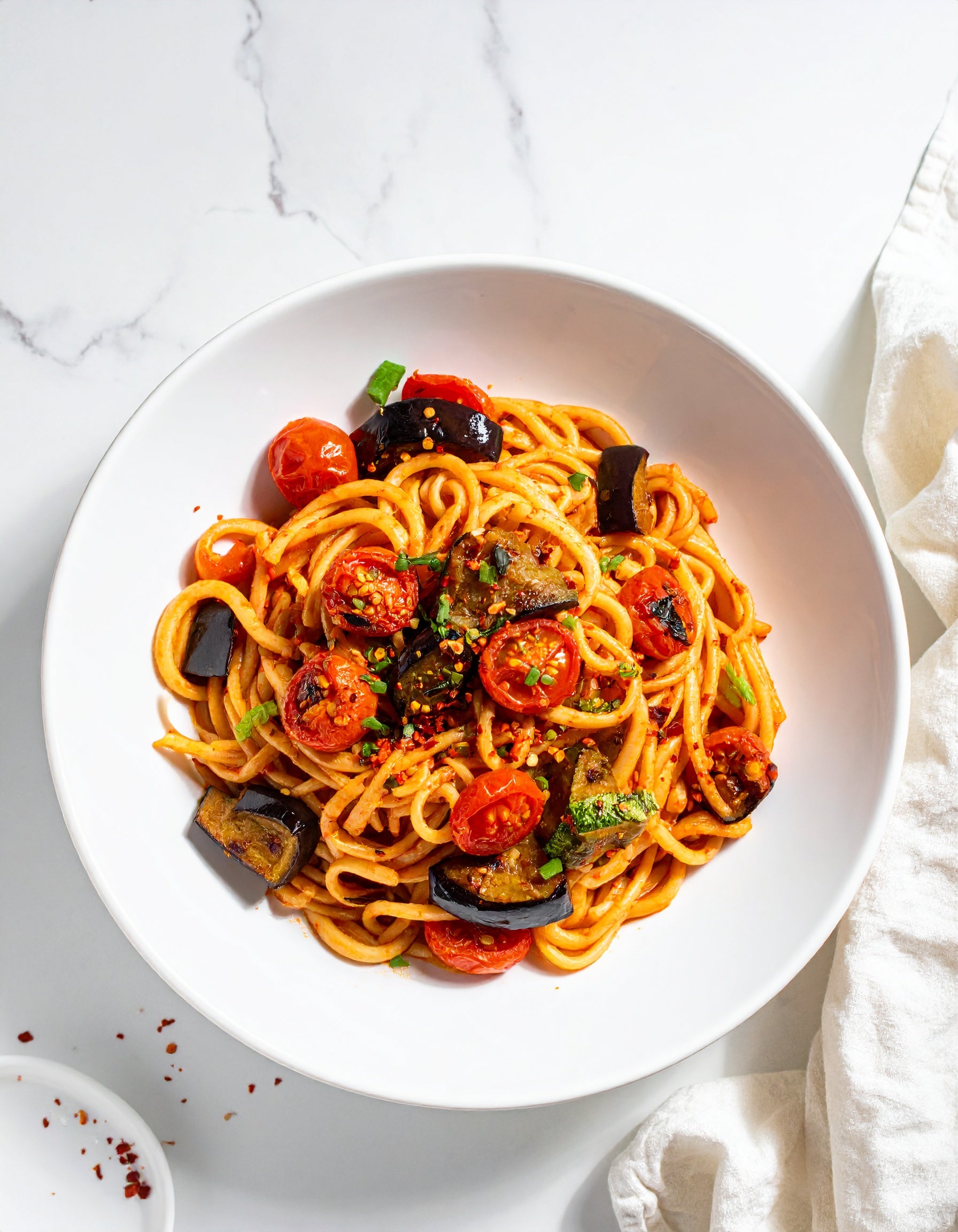
Recipe: Pappardelle al Ragù di Cinghiale — The Forest on a Plate
 Where the Wild Things Simmer
In the Tuscan woods, dawn arrives with a kind of quiet authority. The air smells of wet earth, chestnut leaves, and animals that woke up long before you did. If you listen closely, you can almost hear the rustle of cinghiali — wild boar — roaming through the underbrush like shadows with hooves.
Back in the kitchen, a pot warms slowly. Onions slump into olive oil. Juniper cracks open between fingers. Red wine breathes. And somewhere on a floured board, pappardelle — wide, long, unapologetic — waits for the kind of sauce that demands stamina.
This is not a weekday dish. This is the food you cook when you have stories to tell and people worth feeding. A dish with a beginning, middle, and end. A dish that refuses shortcuts because the forest didn’t take any.
Pappardelle al ragù di cinghiale tastes like everything Tuscany stands for:
clarity, honesty, unflashy confidence, and the belief that time makes things better.
Like most things in life, really.
 History & Origins
Wild boar has roamed Tuscany since long before the Etruscans carved their first stone. In medieval times, cinghiale was noble game — hunted by lords, cooked at feasts, shared as proof of wealth and bravery.
But something interesting happened over the centuries: the dish moved from castle tables to farm kitchens. Hunters brought home what they could, families stretched it into stews, and slowly, ragù di cinghiale became democratic — not aristocratic.
Pappardelle, with its wide ribbons, appears in documents from the 14th century. The name comes from pappare, meaning “to gobble up.” A perfect verb for a pasta you’re meant to eat enthusiastically, not politely.
Together, pappardelle and cinghiale became Tuscany’s culinary handshake — the dish that tells you where you are without saying a word.
Ingredients & Local Produce
A proper Tuscan ragù di cinghiale is not just cooked.
It is managed.
Key players:
- Cinghiale: wild, musky, earthy — the flavour of the forest.
- Red wine: Chianti, Montepulciano, or anything your uncle makes in his garage.
- Juniper: the scent of mountain air.
- Rosemary: Tuscany’s signature herb — fragrant, assertive.
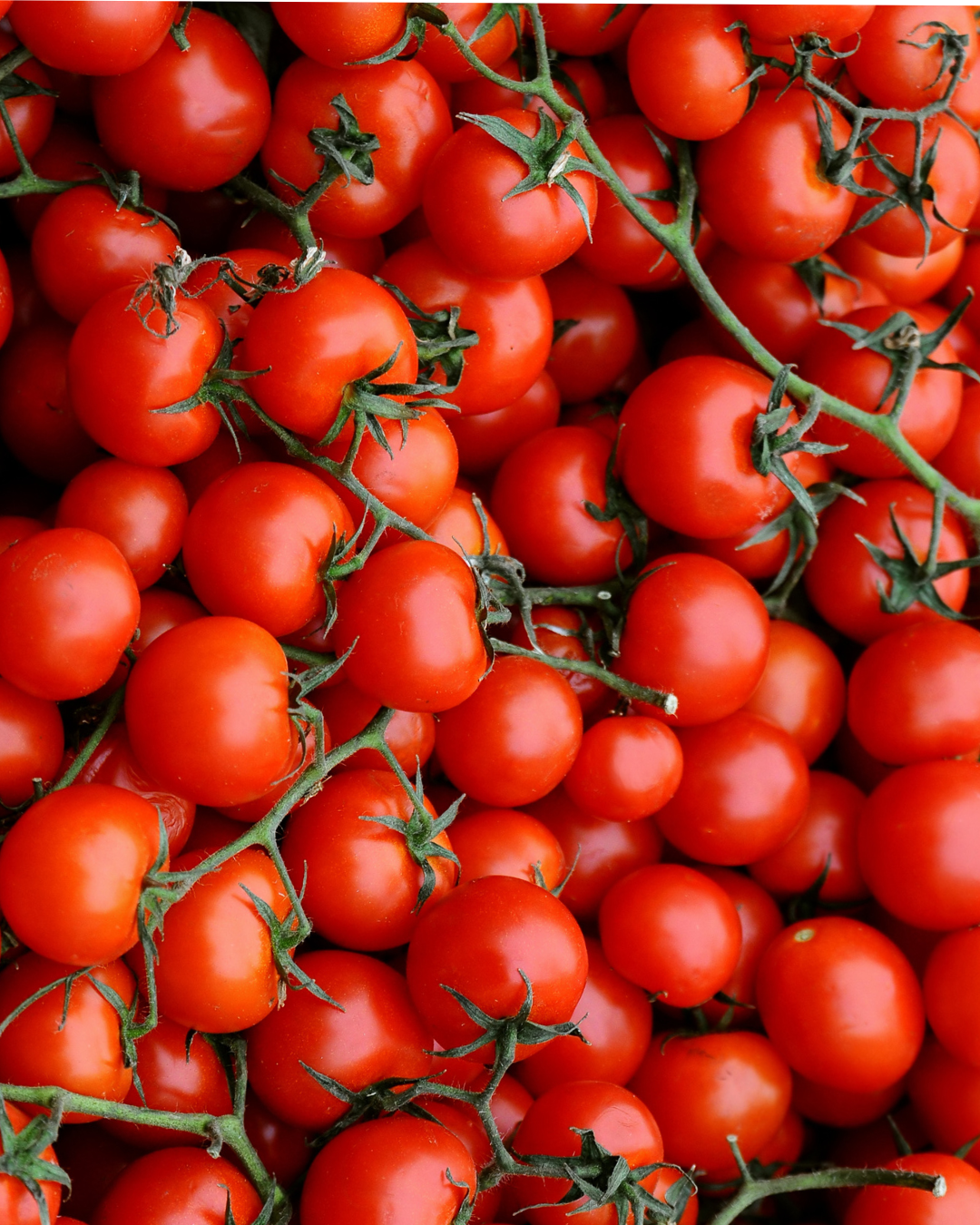
- Tomatoes: just enough to colour, never enough to dominate.
- Pappardelle: wide flour-egg ribbons designed to carry weight.
This is the kind of recipe that tastes like a landscape.
Classic Recipe — Pappardelle al Ragù di Cinghiale
(Serves 4–6)
Ingredients
For the pappardelle:
- 400 g flour (00 or a mix with semola)
- 4 eggs
- Pinch of salt
For the ragù:
- 700–900 g wild boar meat, cubed
(or 700 g pork shoulder + 200 g game meat if boar is unavailable) - 1 large onion, finely chopped
- 1 carrot, finely chopped
- 1 celery stalk, finely chopped
- 3 tbsp olive oil
- 1 glass dry red wine
- 400 g crushed tomatoes
- 2–3 juniper berries
- 1 sprig rosemary
- 1 bay leaf
- Salt & pepper
- Optional: a splash of milk to soften acidity
Method
-
Marinate the meat.
Combine boar, wine, rosemary, juniper, and bay leaf.
Chill overnight.
(This step separates amateurs from people who know how to live.) -
Drain and pat dry.
Keep the wine for cooking. -
Brown the meat.
Heat olive oil. Add meat. Let it take colour. Don’t rush. -
Make the soffritto.
Add onion, carrot, celery. Cook slowly until everything softens. -
Pour in the wine.
Let it evaporate until the kitchen smells like you mean business. -
Add tomatoes.
Simmer on the gentlest heat possible for 2–3 hours.
Add water or stock as needed. -
Make the pappardelle.
Mix flour, eggs, salt. Rest. Roll to 1–2 mm.
Cut into wide ribbons (2–3 cm). Dust with semola. -
Cook the pasta & combine.
Cook pappardelle in salted water 3–4 minutes.
Toss with ragù. Use pasta water to bind.
Serve with nothing but good olive oil and silence.
 Plant-Based Alternative — Pappardelle con Ragù di Funghi e Castagne
(Serves 4)
Ingredients
- 400 g fresh pappardelle
- 300 g mushrooms (porcini if lucky)
- 100 g cooked chestnuts
- 1 onion
- 1 garlic clove
- 1 rosemary sprig
- 3 tbsp olive oil
- 1 splash white wine
- Salt, pepper
Method
- Sauté onion and garlic.
- Add chopped mushrooms and rosemary.
- Deglaze with wine.
- Add chopped chestnuts. Cook 20 minutes.
- Combine with pappardelle.
It’s not boar, but it’s mountain soul in a bowl.
Regional Variations & Modern Echoes
- Maremma: tomato-forward, slightly brighter.
- Casentino: darker, wine-heavy, with hints of spice.
- Chianti: ragù cooked in pure Chianti wine, deep and elegant.
- Lunigiana: sometimes white ragù — no tomato at all.
Chefs today refine the sauce, clarify it, reduce it, reinterpret it…
But nothing beats the version cooked by someone with a wood stove and time.
The Philosophy of the Dish
Pappardelle al ragù di cinghiale teaches two things:
- Nature has flavour — don’t get in the way.
- Time is a legitimate ingredient.
There is no rushing a good ragù.
You cook it the way forests grow: slowly, deliberately, with conviction.
Fun Facts & Cultural Notes
- Wild boar outnumber people in parts of Tuscany. Eating them is considered an ecological duty.
- Hunters often gift boar to neighbours, turning this dish into a social currency.
- In some villages, the ragù is cooked outdoors in giant pots during festivals — a real-life cauldron.
- Medieval cooks thickened the sauce with stale bread, not tomato.
- “Pappare” (to gobble) was considered slightly indecent in old Florence. Still is, depending on company.
How It’s Eaten & Remembered
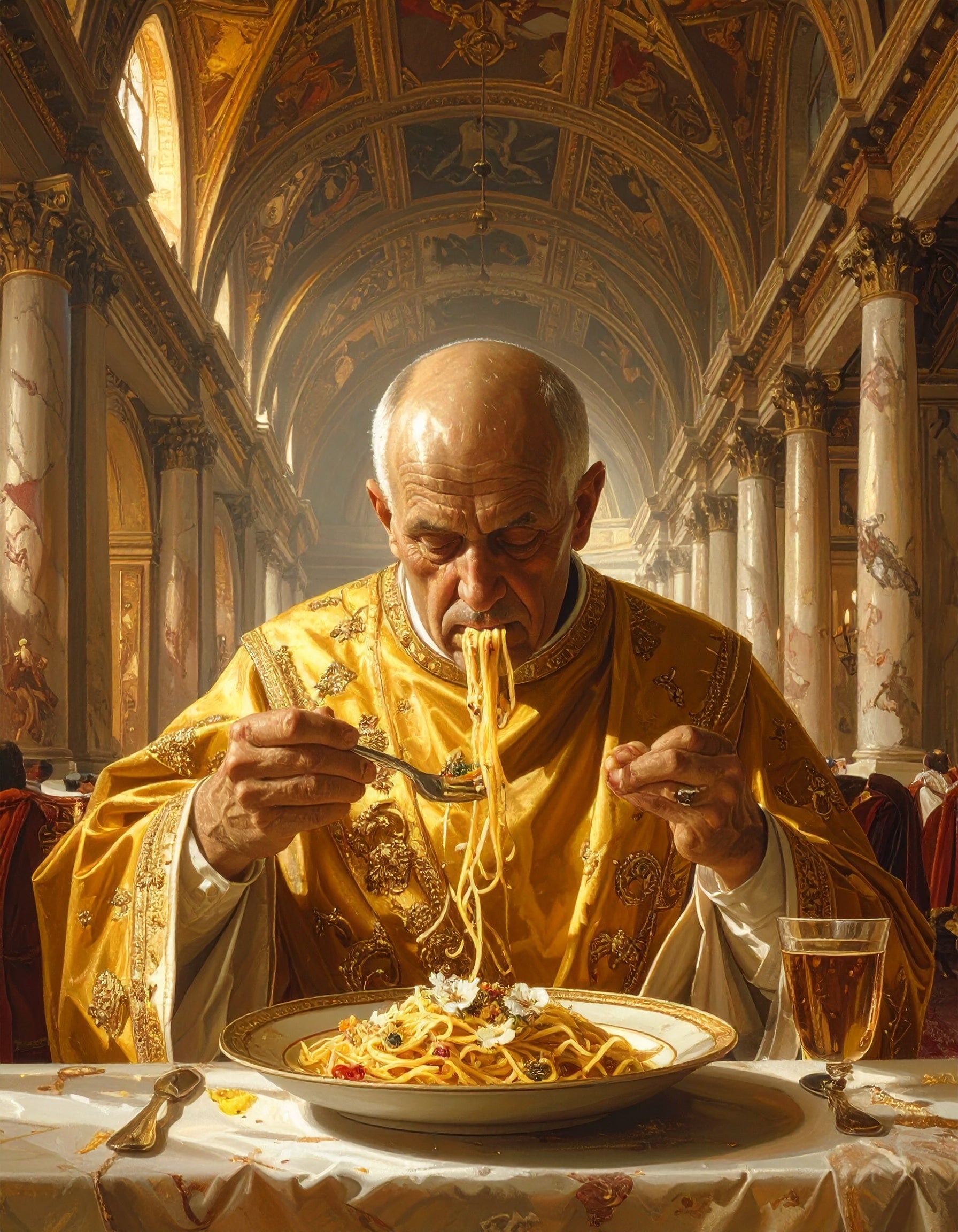
This dish is eaten with wide forks, wide smiles, and usually too much wine.
The pasta coils around the ragù like silk wrapping around velvet.
Bowls empty. Bread appears. Someone says, “Basta,” but keeps eating.
A grandmother nods silently — this is how Tuscan food should feel.