Recipe: Maltagliati al Sugo Finto — Tuscany’s Beautiful Illusion
 The Art of Making Something Out of Almost Nothing
In Tuscany, the most revealing dishes are never the extravagant ones. They’re the quiet ones — the ones that pretend to be simple but turn out to be little acts of culinary philosophy.
Maltagliati al sugo finto is exactly that kind of dish.
Picture this: a wooden table in a sunlit kitchen, a grandmother rolling out dough for lasagne or tagliatelle. She trims the sheet, stacking the perfect rectangles in a neat pile. What falls to the side — the scraps, the offcuts, the mistakes — become maltagliati, “badly cut.”
But here’s the trick: these irregular shapes cook better, carry sauce better, and taste better than half the “perfect” pasta on menus today. Tuscany has always known how to turn scraps into stories.
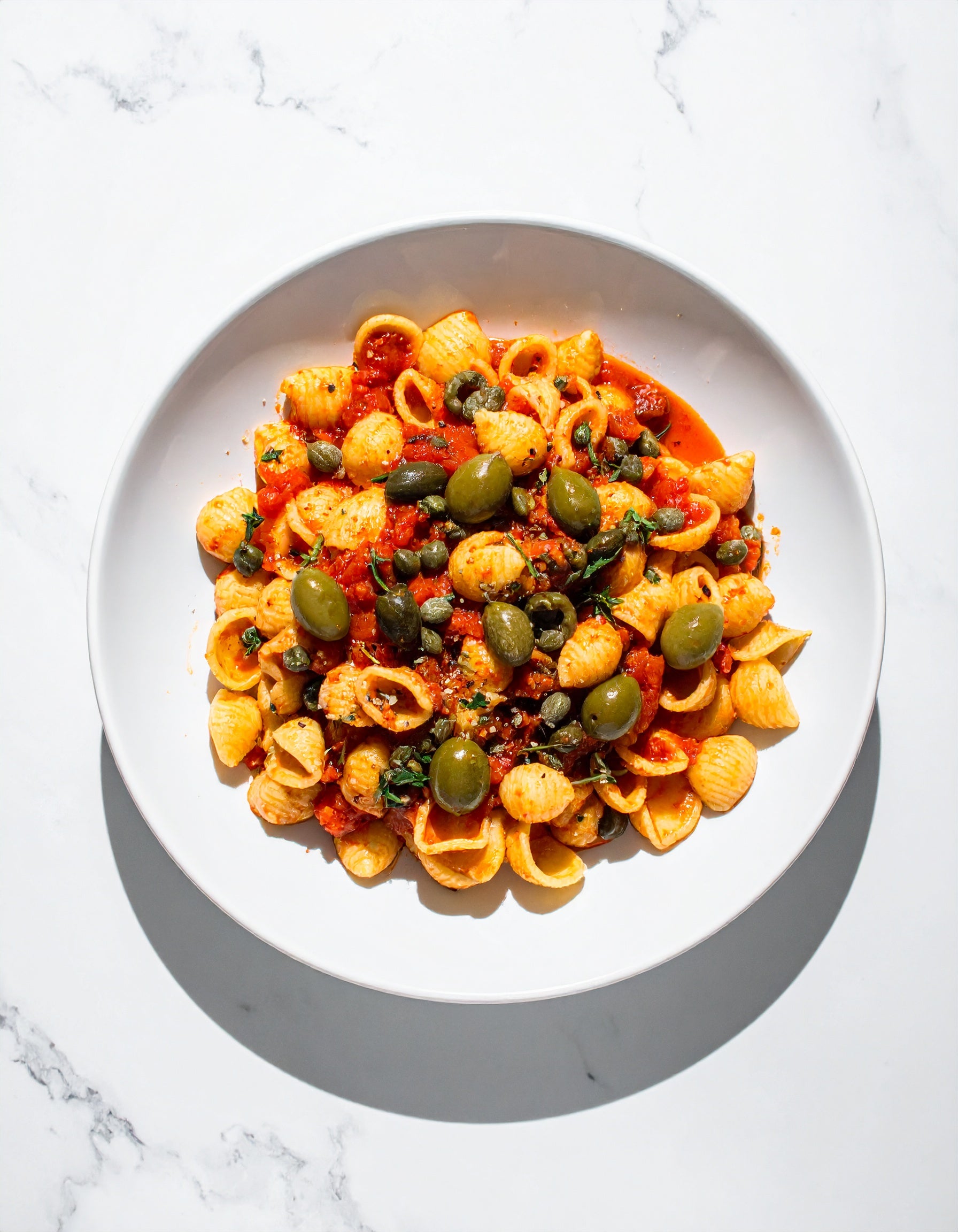
Now the sauce — sugo finto, meaning “fake sauce.” Fake because it’s a ragù without meat. Fake because it looks like a Sunday sauce but costs the price of a weekday meal. Fake because the flavour feels luxurious even when the ingredients are bargain-level humble.
The first time you watch onions, carrots, celery and tomatoes melt into a rich, velvety, reddish-gold sauce, you understand the genius of the Tuscan kitchen:
When there’s nothing, make something. And make it taste like everything.
History & Origins
Maltagliati were never a “recipe.” They were an accident. They appeared wherever pasta sheets were cut by hand — Siena, Florence, Arezzo. Over time, their irregularity became a badge of honour.
Sugo finto is a direct descendant of rural poverty. Meat was a luxury; vegetables were reliable. So Tuscan cooks — pragmatic and cunning — created a vegetable ragù that mimicked the warmth and depth of meat without using any.
The goal wasn’t deception. It was respect: respect for ingredients, seasons, labour, and the idea that good food doesn’t need to shout.
In the 19th century, when tomatoes became a staple of the Tuscan pantry, sugo finto became almost indistinguishable from a slow-cooked meat ragù — except that it cost nothing and fed everyone.
Ingredients & Local Produce
A true Tuscan sugo finto rests on:
- Soffritto: onion, carrot, celery — the holy trinity
- Olive oil: bright, peppery, green
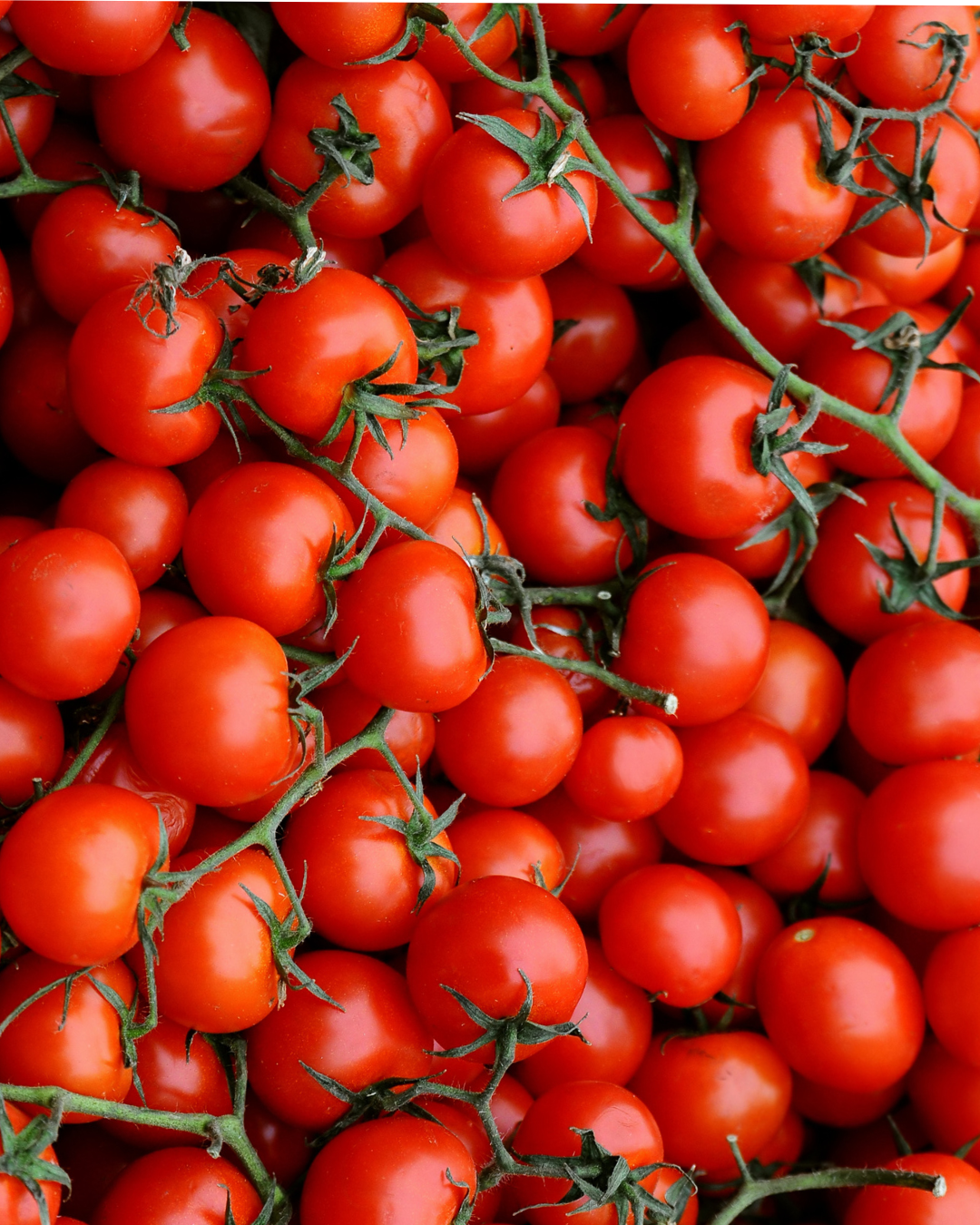
- Tomatoes: fresh, jarred, or crushed by hand
- Herbs: bay, rosemary, sage
- Wine: white or red, depending on the cook
- Pasta scraps: maltagliati, irregular, handmade
This isn’t scarcity cuisine — it’s edited cuisine. No clutter, no fluff, only the essentials.
Classic Recipe — Maltagliati al Sugo Finto
(Serves 4–6)
Ingredients
For the maltagliati:
- 300 g flour (00 or semola mix)
- 2 eggs
- 1 tbsp olive oil
- Pinch of salt
For the sugo finto:
- 1 large onion
- 1 carrot
- 1 celery stalk
- 4 tbsp olive oil
- 1 glass white or red wine
- 500 g tomato passata or crushed tomatoes
- 1 bay leaf
- 1 rosemary sprig
- Salt & pepper
Method
-
Make the dough.
Mix flour, eggs, salt, and oil. Knead until smooth. Rest 20–30 minutes. -
Roll out a sheet.
Thin, but not too thin — 1–2 mm. -
Cut the maltagliati.
Gather your inner chaos.
Cut into irregular shapes: triangles, rhombuses, random geometry. -
Begin the soffritto.
Finely chop onion, carrot, celery.
Heat olive oil. Cook soffritto slowly until golden and fragrant. -
Add wine.
Let it bubble away. The kitchen will smell like old Tuscan kitchens: warm, herbal, honest. -
Add tomatoes.
Simmer 30–40 minutes on low heat with bay and rosemary. -
Cook the maltagliati.
Boil in salted water 2–3 minutes. -
Combine.
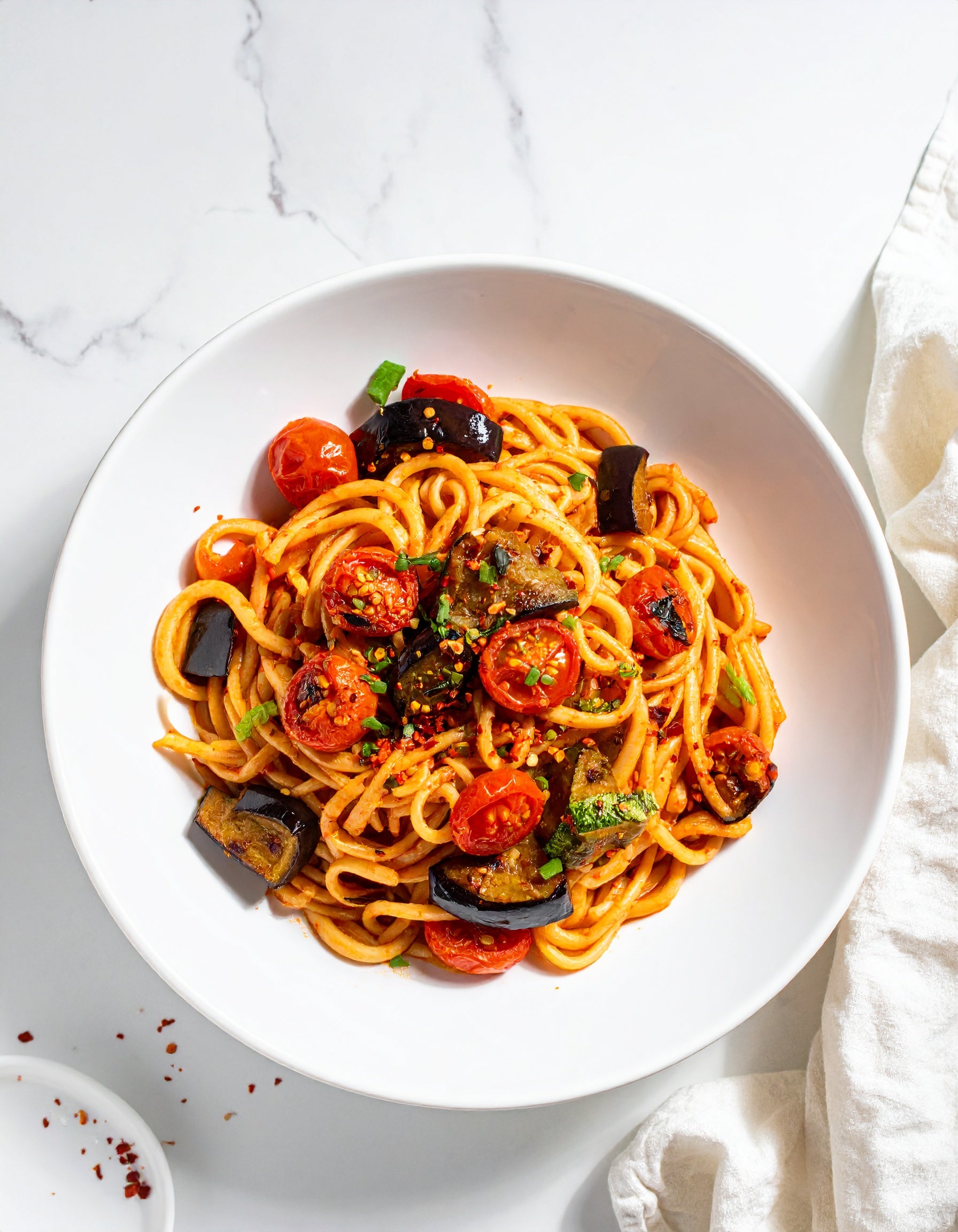
Toss pasta in sauce with a splash of pasta water. Finish with olive oil.
Serve with pecorino if you want. Or serve it bare, and let the sauce tell its own story.
Regional Variations & Modern Echoes
- In Siena, the soffritto is darker, almost caramelised.
- In Florence, they add more wine.
- In Chianti, the sauce is reduced until thick enough to cling to walls.
- Some cooks add black olives. Controversial, but delicious.
- Modern chefs sometimes turn sugo finto into a purée — liquid silk.
Even when plated in fancy restaurants, the soul remains the same:
simple ingredients made meaningful through time.
The Philosophy of the Dish
Maltagliati al sugo finto teaches one of Tuscany’s core lessons:
Luxury is not about ingredients; it’s about attention.
You don’t need truffles or game to make food that holds people at the table.
You need patience, heat, intention, and a willingness to coax sweetness out of vegetables.
This dish whispers — but it says all the right things.
Fun Facts & Cultural Notes
- “Maltagliati” exists in every Tuscan family but never in the same shape twice.
- In some villages, children learn math by cutting maltagliati: “Find the triangle.”
- Sugo finto is so iconic that during WWII, soldiers asked for it by name when meat was unavailable.
- The dish was known as the “ragù of dignity” — because it let poor families serve feast-worthy meals.
- Old cooks say: Se il sugo finto è buono, sei pronto per sposarti.
(“If your sugo finto is good, you’re ready to get married.”)
How It’s Eaten & Remembered
This dish is eaten on Tuesdays, Thursdays, days when time feels too heavy or too light. It’s a comfort food with no pretension. A plate you return to when you want honesty.
People remember it not because it’s extravagant, but because it’s true.