Recipe: Lasagne Bastarde al Ragù Toscano — The Mountain’s Answer to Hunger

In the far northwest of Tuscany — the Lunigiana — the mountains rise like giant shoulders, the forests breathe with ancient patience, and the villages cling to hillsides as if they’re afraid of sliding into another century.
Here, wheat was once a luxury, not a guarantee. But chestnut trees?
They were everything: food, fuel, shelter, currency, inheritance.
Generations of mountain families dried chestnuts in stone huts, milled them into sweet, smoky flour, and turned that flour into whatever the season demanded — bread, cakes, porridge, and yes… pasta.
That’s how lasagne bastarde were born. “Bastard lasagne,” not because anyone was insulting the dish, but because the dough was a hybrid: half wheat, half chestnut. A mixed-blood pasta designed to survive scarcity.
Imagine rolling out a sheet of dough that smells like forests in autumn: earthy, nutty, faintly sweet. Imagine cutting it into rough rectangles — not the layered, bechamel-soaked lasagna of Emilia, but humble sheets designed to be boiled, dressed simply, eaten gratefully.
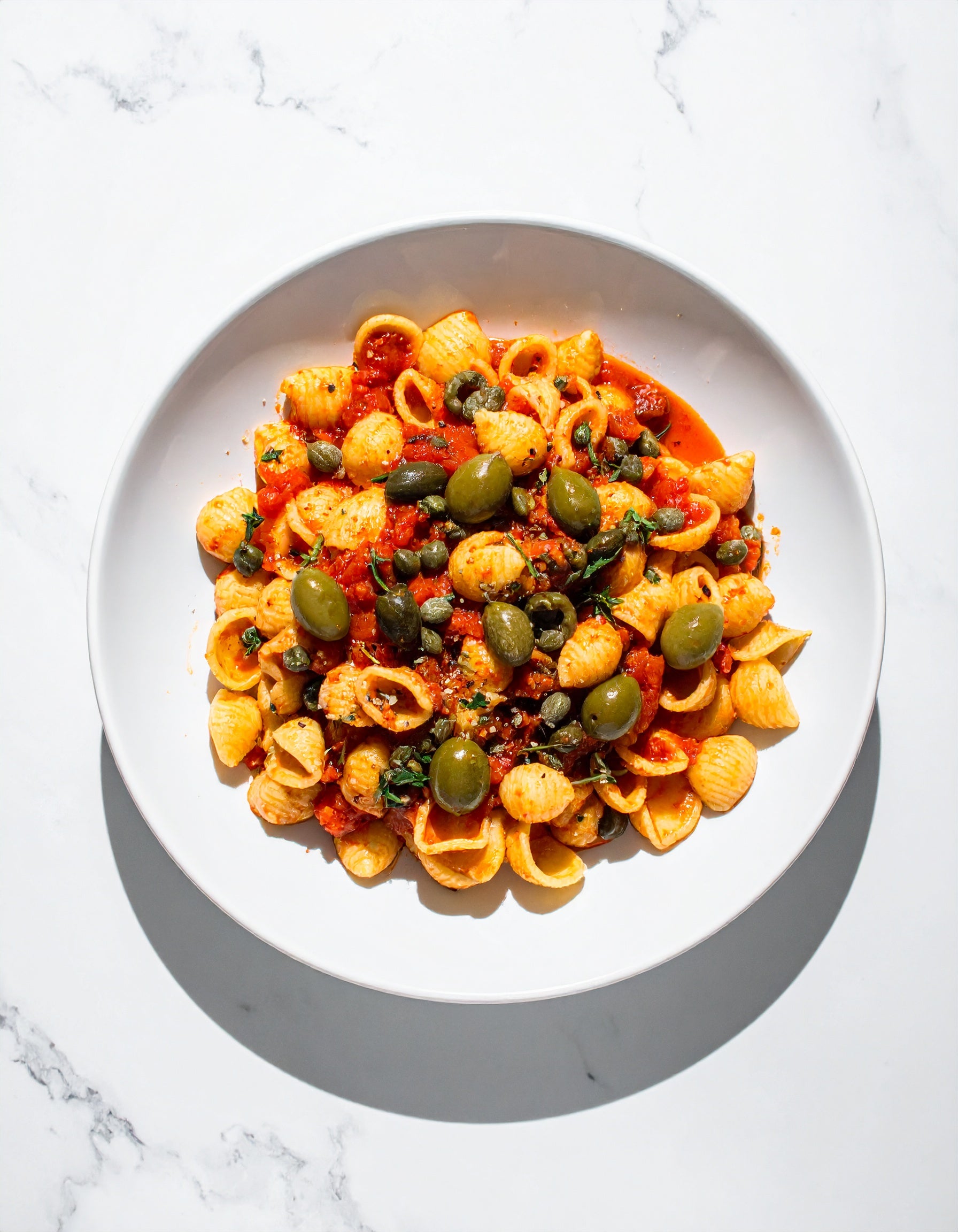
Then comes the ragù — Tuscan, deep, savoury, unshowy. Not the red-heavy, tomato-forward sauce of the south, but a slow-cooked symphony of minced beef, pork, herbs, and wine. A sauce that tastes like stone houses and long winters.
Together, lasagne bastarde and ragù toscano tell a story you can’t find on postcards:
the story of a region that made strength out of scarcity and flavour out of necessity.
 History & Origins
Lunigiana has always been culturally unusual — wedged between Tuscany, Liguria, and Emilia-Romagna, influenced by all but owned by none. The chestnut tree, dubbed l’albero del pane (the bread tree), ruled local diets.
Chestnut flour is naturally sweet, dark, and gluten-free, which meant it needed wheat flour to become pasta. Hence the name “bastarde” — mixed, blended, not purebred in the eyes of traditional pasta orthodoxy.
The dish was originally eaten with:
- ricotta
- pecorino
- melted butter
- or Ligurian-style pesto (the border’s influence)
But when meat became more accessible, the pairing with ragù toscano became legendary — a marriage of mountain thrift and valley abundance.
 Ingredients & Local Produce
In the mountains, hyper-local ingredients are not trendy — they’re survival.
For lasagne bastarde, the essentials are:
- Chestnut flour (from Lunigiana or Garfagnana)
- Soft wheat flour
- Water
- Salt
The ragù requires:
- Tuscan beef and pork
- Carrot, onion, celery
- Red wine
- Tomato (a little, not too much)
- Rosemary and bay
- Olive oil
- Time (the real secret ingredient)
 Classic Recipe — Lasagne Bastarde al Ragù Toscano
(Serves 4–6)
Ingredients
For the lasagne bastarde:
- 200 g chestnut flour
- 200 g soft wheat flour
- 200–220 ml warm water
- Pinch of salt
For the ragù toscano:
- 300 g ground beef
- 200 g ground pork
- 1 small onion, finely chopped
- 1 carrot, finely chopped
- 1 celery stalk, finely chopped
- 4 tbsp olive oil
- 1 glass red wine
- 300 g crushed tomatoes
- 1 bay leaf
- 1 rosemary sprig
- Salt & pepper
Method
-
Make the dough.
Mix chestnut flour, wheat flour, salt, and water into a soft dough. Chestnut flour drinks water—add slowly.
Knead until smooth. Rest 20 minutes. -
Roll the sheets.
Roll to 2–3 mm. Expect the dough to feel different — softer, more delicate. -
Cut into rectangles.
They don’t need to match. Imperfection is authenticity. -
Start the ragù.
Heat olive oil. Add onion, carrot, celery. Cook until soft. -
Add meats.
Brown slowly. Break them up gently. -
Wine time.
Pour in red wine. Reduce until aromatic. -
Add tomatoes and herbs.
Simmer 1.5–2 hours, barely bubbling. This is patience food. -
Cook the lasagne bastarde.
Boil in salted water 3–4 minutes. They’ll float like soft, rustic leaves. -
Combine.
Toss gently with ragù. Add extra olive oil because you’re in Tuscany.
Serve with pecorino or nothing at all — the dish speaks for itself.
Plant-Based Alternative — Lasagne Bastarde con Ragù di Lenticchie
(Serves 4)
Ingredients
- Chestnut-wheat pasta as above
- 250 g cooked lentils
- 1 onion
- 1 carrot
- 1 celery stalk
- Tomato passata
- Rosemary
- Olive oil
Method
- Sauté soffritto in oil.
- Add lentils and rosemary.
- Add passata. Simmer 30 minutes.
- Combine with boiled lasagne bastarde.
Tastes like mountain honesty.
Regional Variations & Modern Echoes
- In Pontremoli, they’re tossed with pesto.
- In Zeri, they’re topped with ricotta.
- In Mulazzo, butter and sage rule.
- Modern chefs sometimes toast the chestnut flour beforehand to intensify aroma.
- Some trattorie cut the sheets thick, almost like pancakes.
Every village defends its version with alarming passion.
The Philosophy of the Dish
Lasagne bastarde are a lesson in pragmatic elegance:
- If you have little, use it well.
- If nature gives you chestnuts, honour them.
- If your dough is imperfect, lean into it.
- If meat is scarce, stretch it.
- If life is tough, eat something that tastes like resilience.
It’s not about luxury; it’s about truth.
Fun Facts & Cultural Notes
- Chestnut flour once served as tax payment in mountain towns.
- Families built special drying huts (metati) just for chestnuts.
- The dish pairs unusually well with pesto because Lunigiana traded food culture with Liguria.
- “Bastarde” originally meant “mixed,” not “illegitimate.”
- Old women test dough by smell — if it smells like autumn, it’s right.
How It’s Eaten & Remembered
You eat lasagne bastarde with a fork that feels too small for the richness of the dish. The ragù clings to the sheets like moss on stone. The chestnut aroma makes the room feel warm even if the fire is low.
People remember this dish because it tastes like survival — and joy.