Ingredients: Chianti — The Wine That Thinks in Tuscan
 Where Vines Learn Patience, and Sauce Learns Depth
There are wines that show off, and wines that show up.
Chianti is the second kind — the Tuscan workhorse with the soul of a philosopher, a wine that never needed grand entrances or velvet ropes. It simply lived in kitchens, on tables, in trattorie, and in saucepans long before sommeliers turned it into a brand.
To understand Tuscany, you need three things:
olive oil, bread, and Chianti.
Wine here isn’t a luxury; it’s a grammar. People speak it, think with it, season with it. In half the region, “add some wine” doesn’t refer to drinking — it refers to the pot on the stove.
And in the countryside, if nothing else was available, Chianti became what tied flavours together. Meat without Chianti is incomplete. Sugo without Chianti lacks backbone. Ragù without Chianti is just a tourist.
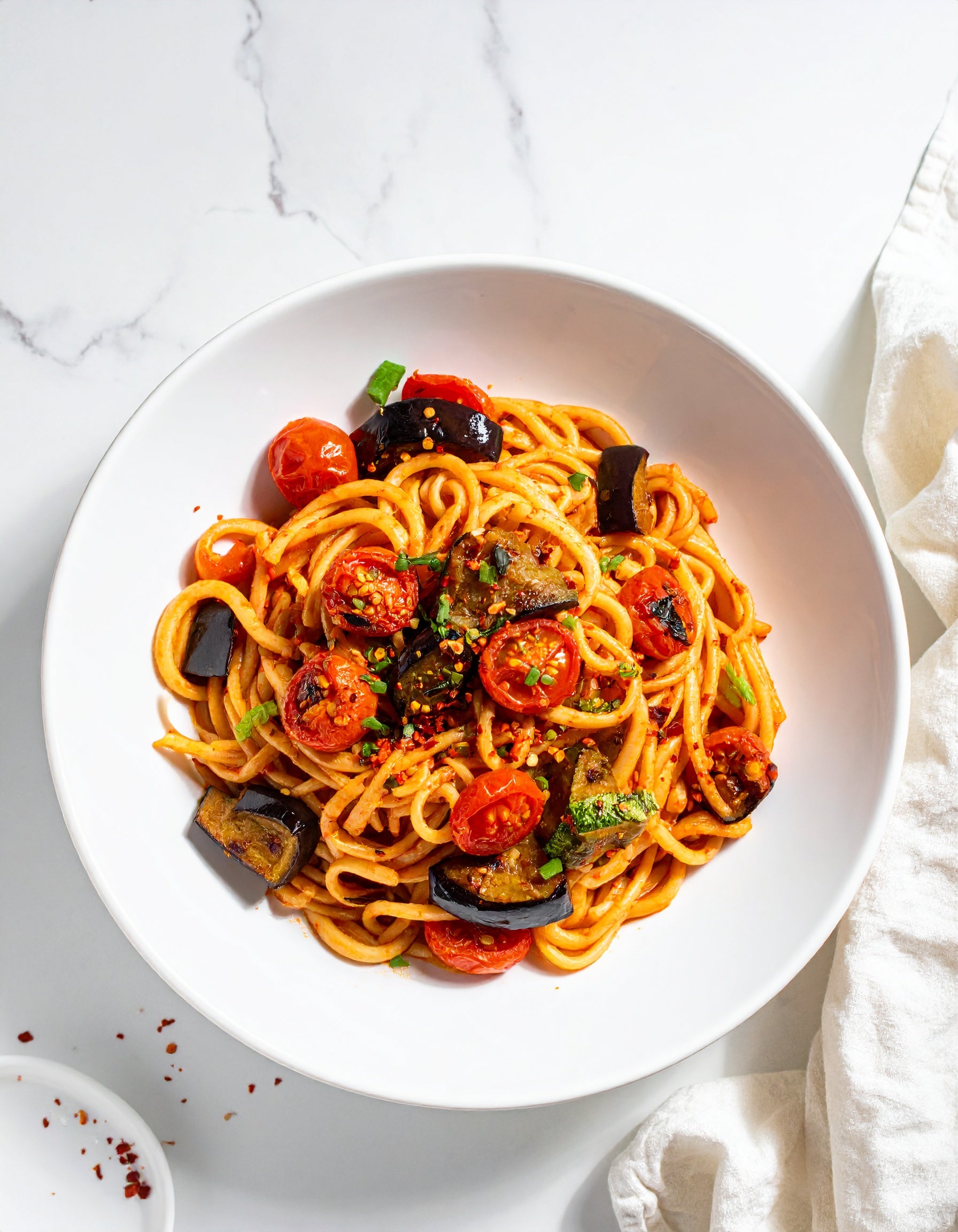
This is why Chianti becomes the natural ingredient for your Maltagliati al Sugo Finto: it gives the sauce credibility. It gives it darkness, tension, acidity, depth. It replaces the meat that isn’t there. It gives the illusion of something richer without cheating. A sleight of hand, but honest.
This is wine that knows how to behave in a pan.
 Origins — Long Before the Black Rooster Got Its Ego
Chianti is older than the borders that contain it.
Older than Florence and Siena’s eternal squabbles.
Older than the recipes it seasons.
The Etruscans made wine here long before Romans figured out how to build roads. They planted vines on the same hills we still admire today — steep, sun-soaked slopes that produce grapes with thick skins, natural acidity, and tannins that don’t shy away from food.
But the Chianti we recognise — ruby red, firm, earthy, bright — didn’t appear until the 18th century, when Baron Bettino Ricasoli codified the blend:
- Sangiovese as the soul
- Canaiolo for softness
- Malvasia for lift (later mostly removed)
The formula worked not because it was fashionable but because it was Tuscan: clear-headed, grounded, pragmatic, and built for food — not contemplation.
It was wine meant to be used, not displayed.
This is the Chianti that slipped into local cooking and never left.
How Chianti Tastes — The Flavor of a Landscape
If Tuscany had a taste, this would be it.
Aromatics (what rises first):
- sour cherry
- dried herbs
- violets
- leather
- a hint of tobacco
On the palate:
- bright acidity
- firm but honest tannin
- earthy undertone
- clean, dry finish
Translation into cooking terms:
- acidity = structure
- tannin = depth
- fruit = sweetness
- earthiness = warmth
This is why Chianti transforms a sauce without overwhelming it.
It lifts everything.
It clears the throat.
It makes tomatoes taste more like tomatoes.
It sharpens meat.
It sweetens onion.
It lengthens flavour.
It’s a wine that participates rather than competes.
Why Chianti Works So Well in Sugo Finto
Sugo finto is a con. A noble one.
It pretends to be meat ragù, but it’s made of vegetables and wits.
It needs:
- depth → Chianti gives it
- colour → Chianti gives it
- acidity → Chianti gives it
- the illusion of “umami” → Chianti gives it
In Siena, cooks often splash in wine until the soffritto darkens to brick-red. In Chianti Classico country, they add more — because why not? It’s local. It’s available. It’s expected.
The wine evaporates, leaving behind a velvet bitterness, a grown-up edge, and a perfume that says: I may be a fake ragù, but I have dignity.
With maltagliati — the imperfect, humble, torn sheets of pasta — Chianti feels even more at home. The ragged edges hold the sauce. The tannin clings to the semolina. The flavours connect like childhood memories.
 Which Chianti to Use (Forget the Fancy Bottles)
Don’t use the expensive stuff. Seriously.
No Tuscan nonna would.
Use a wine that is:
- dry
- clean
- young
- bright
- not oaked
Avoid:
- Chianti Riserva (too heavy)
- Chianti Superiore (too serious)
- fancy bottles (wasted in a pan)
Best choice:
A local Chianti with 12–13% alcohol, light tannin, clean fruit.
Worst choice:
Cheap cooking wine.
(Nonna will throw a rolling pin at you.)
Chianti in Classic Tuscan Cooking
1. Ragù Toscano
Never without wine.
Dark, slow, earthy — Chianti is the backbone.
2. Sugo Finto
Wine is what creates the illusion of meat.
3. Cinghiale in umido
Wild boar soaked in wine? Essential.
4. Beans all’uccelletto
A splash of wine transforms them.
5. Brasati, stufati, umidi
Always wine.
Always.
6. Pici col ragù bianco
White ragù? Uses white wine, but the technique is the same.
Chianti is not an ingredient — it’s an instinct.
Why Nonni Cook With Chianti
- It stretches flavour.
- It softens fibers.
- It balances fat.
- It extends a sauce without watering it down.
- It intensifies tomatoes.
- But mostly:
Wine in the pan means you’ve committed to cooking something worth eating.
 Chianti and the Land — A Vine That Thinks Slow
Chianti tastes the way it does because the land forces it to:
- steep slopes
- rocky galestro soil
- long summers
- cool nights
- ruthless autumn winds
These conditions build acidity and structure — exactly what Tuscan cooking needs.
Food here is rich, heavy, earthy, and rustic. Without acidity, it would collapse under its own weight. Chianti keeps everything upright.
Chianti doesn’t pair with Tuscan food.
It supports it.
Modern Chefs and Chianti
Contemporary Tuscan chefs use Chianti like a seasoning:
- reduced into glazes
- brushed onto roasted meats
- used to deglaze pans
- turned into syrups
- infused into onions
- cooked down with shallots for sauces
Chianti is no longer just a wine.
It’s a technique.
What Chianti Says About Tuscany
This wine carries all the regional personality traits you listed:
- unflashy confidence
- clarity over clutter
- purposeful flavor
- grounded identity
- pragmatic elegance
- resourceful creativity
Chianti isn’t complicated.
It’s just good — with no need to prove anything.
Tuscany in a bottle.
Fun Facts & Cultural Notes
- The fiasco (the straw bottle) wasn’t decorative: it was practical for horseback transport.
- Historically, Chianti was drunk chilled.
- Farmers often diluted it with water (it was safer than drinking water).
- In many homes, Chianti was used more in cooking than in drinking.
- Sangiovese means “the blood of Jupiter.”
- Old Tuscan joke: “If the sauce is too thin, the cook didn’t drink enough wine.”