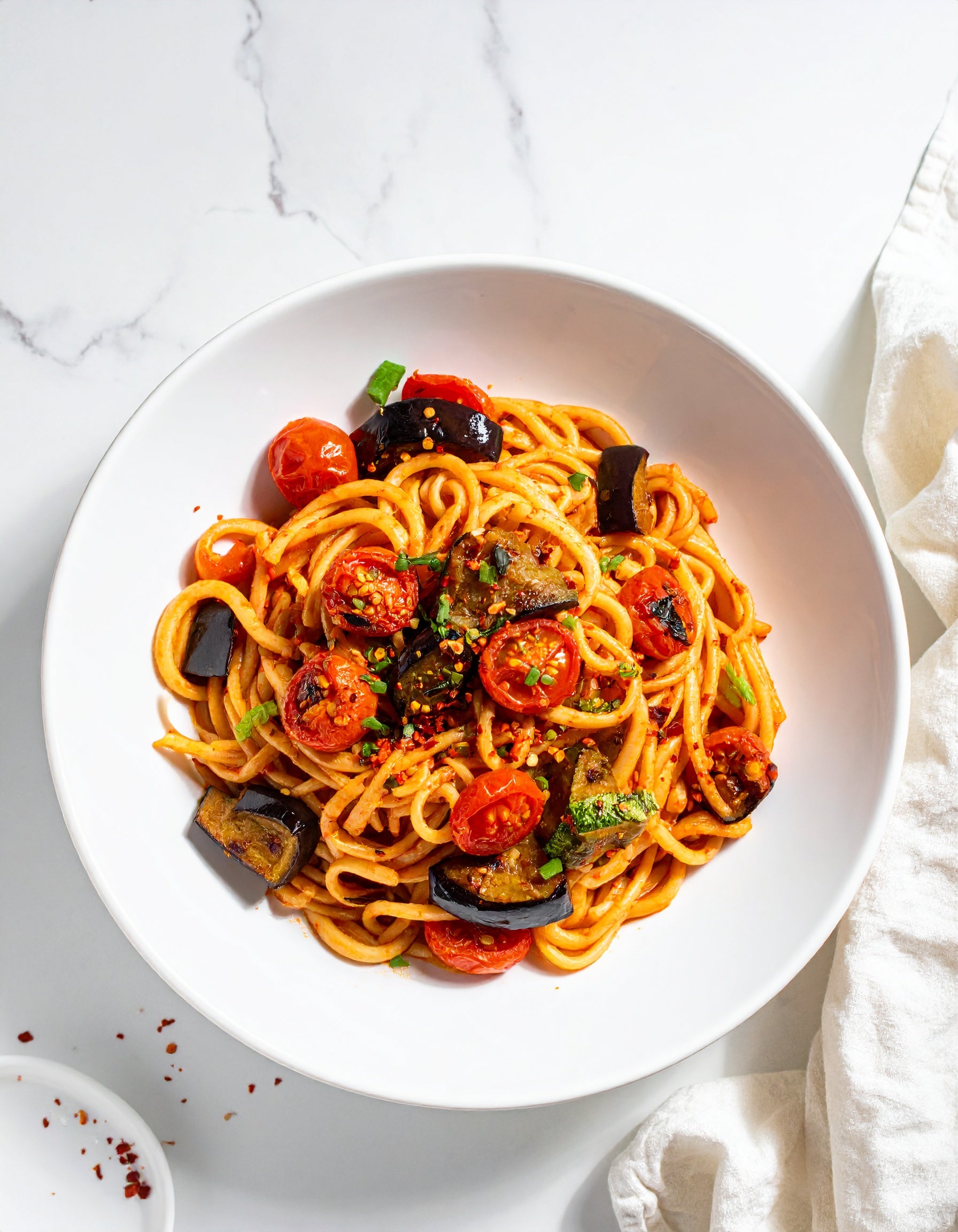
Ingredient: Wild boar — the dark heartbeat of Tuscan forests

If you want to understand Tuscany, forget the postcard hills for a moment. Forget the vineyards, the medieval skylines, the Renaissance art, the piazzas, the sunlight on stone. None of that matters once you step into a Tuscan forest at dawn.
There, under a canopy of oak, chestnut, beech, and pine, the real Tuscany begins — cool, damp, ancient, quiet in the way only places older than God know how to be quiet. The air smells of moss and mulch, of wet leaves and soil that has never known hurry. Tiny streams thread through the undergrowth. Birds chatter. Hoofprints mark the mud. And somewhere, behind the next ridge or a tangle of bushes, something moves.
You don’t see it.
But you feel it.
A heavy shuffle.
A low snort.
A pause in the air.
The unmistakable presence of a creature that has been here since long before humans decided what Tuscany should look like.
This is the kingdom of cinghiale — wild boar.
Not the cute cartoon piglet of children’s books.
The real one: ancient, powerful, territorial, clever, and stubborn in the way only Tuscan creatures are stubborn.
Cinghiale are part of the landscape, part of the mythology, part of the rhythm of rural life. They are feared, respected, occasionally cursed, and always — always — cooked. Tuscany’s relationship with wild boar is half love, half exasperation, and entirely cultural.
Ask any farmer:
“We love them… preferably in a ragù.”
A history that predates every village on the map
Wild boar have roamed the Apennines and the Maremma since forever — long before the Etruscans, long before Rome, long before vineyards rearranged the hills into neat terraces. They were hunted for meat, fat, hide, tusk, ritual, and survival.
The Etruscans carved boars into pottery.
Romans hunted them for sport and feasted on them.
Medieval hunters considered boar the ultimate test of courage.
But in Tuscany, the story isn’t about trophies. It’s about practicality.
Wild boar were — and still are — abundant, persistent, and occasionally destructive. So the deal became simple: if you can’t beat them, braise them.
Every mountain valley in Tuscany developed its own style of cooking boar. The tradition travelled from firesides to trattorie, then into regional pride. And nowhere did it take root more deeply than in the one dish that now feels inseparable from Tuscan identity:
pappardelle al ragù di cinghiale.
Long, wide ribbons catching a sauce the colour of forest soil.
Herbs, wine, juniper, slowly softened meat.
A dish that tastes like the woods that created it.
The flavour — wild, dark, and unmistakably Tuscan
If pork is polite, boar is honest.
Wild boar meat tastes of the land — literally. Its flavour is shaped by acorns, roots, chestnuts, mushrooms, and the kind of forage diet that no farm animal ever gets. It’s deeper than pork, more complex, with a certain intensity that refuses moderation. Not gamey. Not overwhelming. Just… serious.
It has a dusky sweetness.
A minerality close to iron.
A lingering aroma of herbs and undergrowth.
A texture that softens beautifully over long cooking.
Cinghiale is pork that has seen things, lived things, survived things.
And that depth shows up on the plate.
Why cinghiale became the soul of Tuscan ragù
Because it makes sense.
Tuscans aren’t flashy cooks — they’re purposeful cooks. And wild boar rewards patience more than any other meat. It needs marinating, braising, coaxing, tasting, more patience, and a few hours of steady simmering. It does not like haste. It does not like shortcuts.
In return, it gives a ragù that:
feels ancient
smells like the forest
stands up to red wine
loves herbs
wraps itself around pasta like destiny
This is why pappardelle — long, painterly strips of pasta — are the perfect match. Small shapes would drown. Smooth shapes would slip. Pappardelle hold the ragù the way bark holds moss.
How Tuscans prepare wild boar (and why)
First rule: you never cook boar straightaway.
Even the nonne who pretend they don’t marinate it… marinate it.
Traditionally, cinghiale is soaked in wine — often red, sometimes white — with bay leaves, juniper berries, rosemary, carrot, celery, and onion. This isn’t about masking flavour. It’s about relaxing the meat, drawing out bitterness, and letting the flavours flirt before the heat intensifies things.
After marinating, the meat is:
dried carefully
browned slowly
then simmered for hours in wine, herbs, and tomato
But here’s the real Tuscan trick:
add wine again halfway through.
Boar likes a second negotiation.
Why chefs adore cinghiale
Because it gives them everything they want:
boldness
structure
depth
aroma
texture
story
Chefs love ingredients that can carry narrative weight, and wild boar is practically autobiographical for Tuscany. It’s rusticity and refinement in one animal — a gift for modern kitchens that crave authenticity without gimmicks.
Some chefs treat cinghiale like beef bourguignon. Others treat it like a forest stew. Others shred it gently into sauces with almost no tomato at all. And all of them agree: nothing tastes more like Tuscany.
The relationship between boar and the land
Cinghiale thrive where vineyards fail: steep, forested, unmanageable terrain. Their world is rugged, humid, shadowed, shaped by centuries of unbroken ecology. They navigate slopes humans would roll down. They follow trails only they understand.
Their meat tastes of this geography.
It tastes of altitude and understory and the privacy of trees.
Cooking boar is cooking Tuscany in its rawest state.
Fun facts
- Tuscany has one of the largest wild boar populations in Europe, and depending on who you ask, either a healthy ecosystem or an ongoing negotiation between animals and farmers.
- Medieval hunters believed boars could see into the future. Modern Tuscans believe boars can see into their vegetable gardens.
- In some villages, wild boar festivals attract thousands of people and about three dozen jokes that everyone hears every year and laughs at anyway.
- The phrase “cinghiale libero” doesn’t mean “free boar” — it’s a joking way to say “the boar won.”
- Traditional marinating rules vary by valley: some swear by red wine, others by white, others by a half-and-half mix described as “trust me, this is how my uncle does it.”
- Pappardelle al cinghiale is one of the few dishes in Tuscany that men and women argue about equally. Everyone believes their version is the original. Everyone is wrong.
- A Tuscan superstition says that if boar cross your path during a forest walk, luck is coming — unless they stare directly at you, in which case luck has turned into an errand.