Ingredient: Black Pepper – The Ancient Perfume

In Rome, pepper isn’t just a seasoning — it’s punctuation.
The dish pauses; the hand hovers; the grinder turns; conversation stops.
You hear a quiet crunch, smell a puff of spice, and suddenly the air sharpens.
That’s the Roman equivalent of applause.
Every kitchen in Lazio — from the Vatican’s palazzi to a backstreet osteria in Testaccio — owns at least one sacred tool: the pepper mill.
Black pepper is the city’s oldest imported obsession, its first addiction, and the heartbeat of Cacio e Pepe, perhaps the most intellectually Roman dish of all.
Without it, Roman pasta loses its edge; with it, everything wakes up.
History & Origins – From Empire to Osteria
Pepper arrived in Italy long before tomatoes, long before pasta as we know it.
Roman traders brought it from India through the spice routes of Alexandria as early as the 1st century BC.
By the time of Emperor Augustus, pepper was worth its weight in silver.
Pliny the Elder complained that Rome was “pouring gold into India for a few grains of spice.”
Yet the city could not live without it.
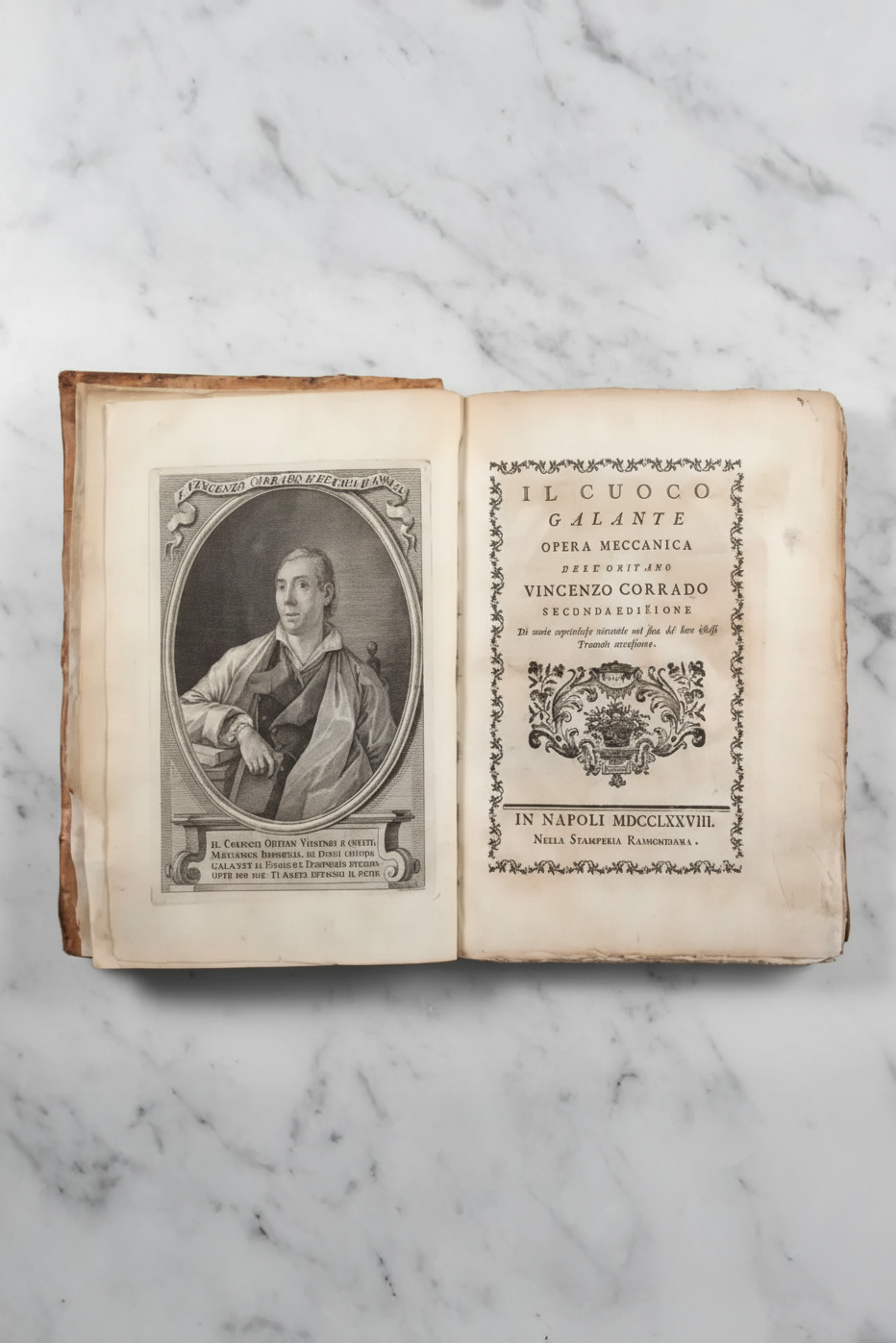
In Imperial banquets, cooks used pepper on everything — meats, sauces, even sweets. The ancient cookbook De Re Coquinaria by Apicius lists pepper in over 80 recipes.
To be Roman was to season boldly.
When the Western Empire fell, pepper became treasure. Medieval monasteries stored it behind locked chests; merchants used it as currency. The Papal States taxed it so heavily that smuggling became an art form.
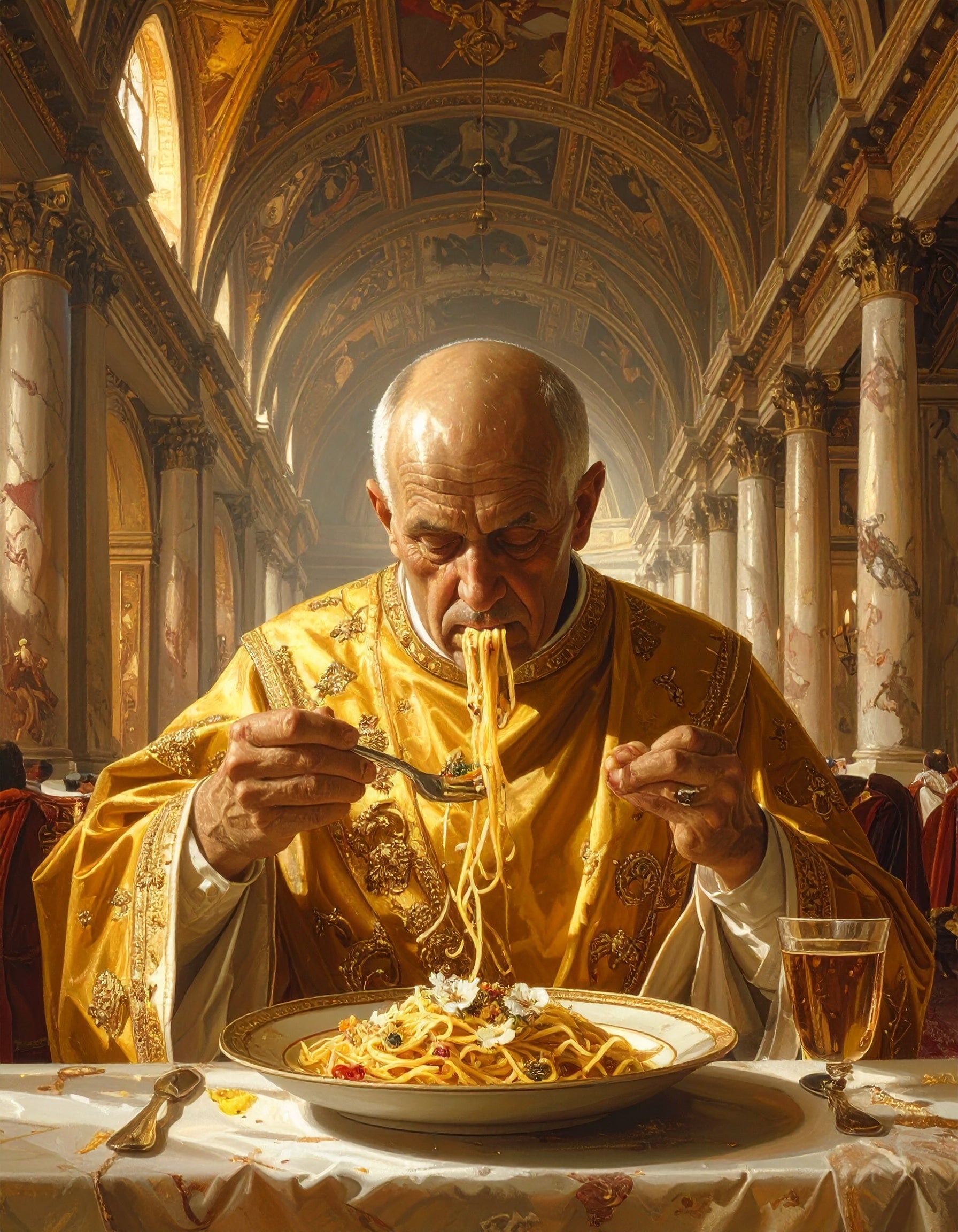
By the Renaissance, when Bartolomeo Scappi served Popes in the Vatican kitchens, pepper had turned from luxury to signature.
It was no longer just spice; it was identity — a taste that told the world this was Rome.
Flavor Profile & Culinary Behavior – The Architecture of Heat
True black pepper (Piper nigrum) is a berry harvested green and dried until wrinkled black.
Its essential oil, piperine, delivers warmth without the acidity of chili — a controlled, intellectual heat.
Aroma: dry wood, citrus rind, and faint smoke.
Taste: sharp at first, then floral, then strangely cooling.
Texture: fine grit that blooms when mixed with fat or starch.
In Cacio e Pepe, freshly cracked pepper blooms in hot starchy water, releasing oils that cling to the pasta’s surface.
The pepper’s volatile compounds dissolve in the Pecorino’s fat, forming that hypnotic grey-white emulsion Romans call cremina.
Pepper is not background; it’s architecture.
Where guanciale provides foundation, pepper draws the outlines.
It gives the sauce perspective — a chiaroscuro of flavor.
Cultural Meaning – The Measure of Character
If Pecorino is discipline and peperoncino is emotion, pepper is judgment.
Every Roman chef is measured by how they handle it.
Too coarse, and the sauce feels violent; too fine, and it tastes dusty.
The right crack — half seed, half perfume — is considered a moral virtue.
Romans even turned the word into an attitude: “essere pepato” means witty, sharp, a bit cheeky.
A person senza pepe (“without pepper”) is dull, joyless, lacking sparkle.
Pepper is therefore not spice but temperament.
It embodies that balance of irony and sincerity that defines the Roman spirit.
A plate of Cacio e Pepe is not comfort food — it’s philosophy disguised as starch.
Current Local Suppliers & Keepers of the Mill
Lazio doesn’t grow pepper — its genius lies in selection. Roman chefs source and grind it like sommeliers choose wine.
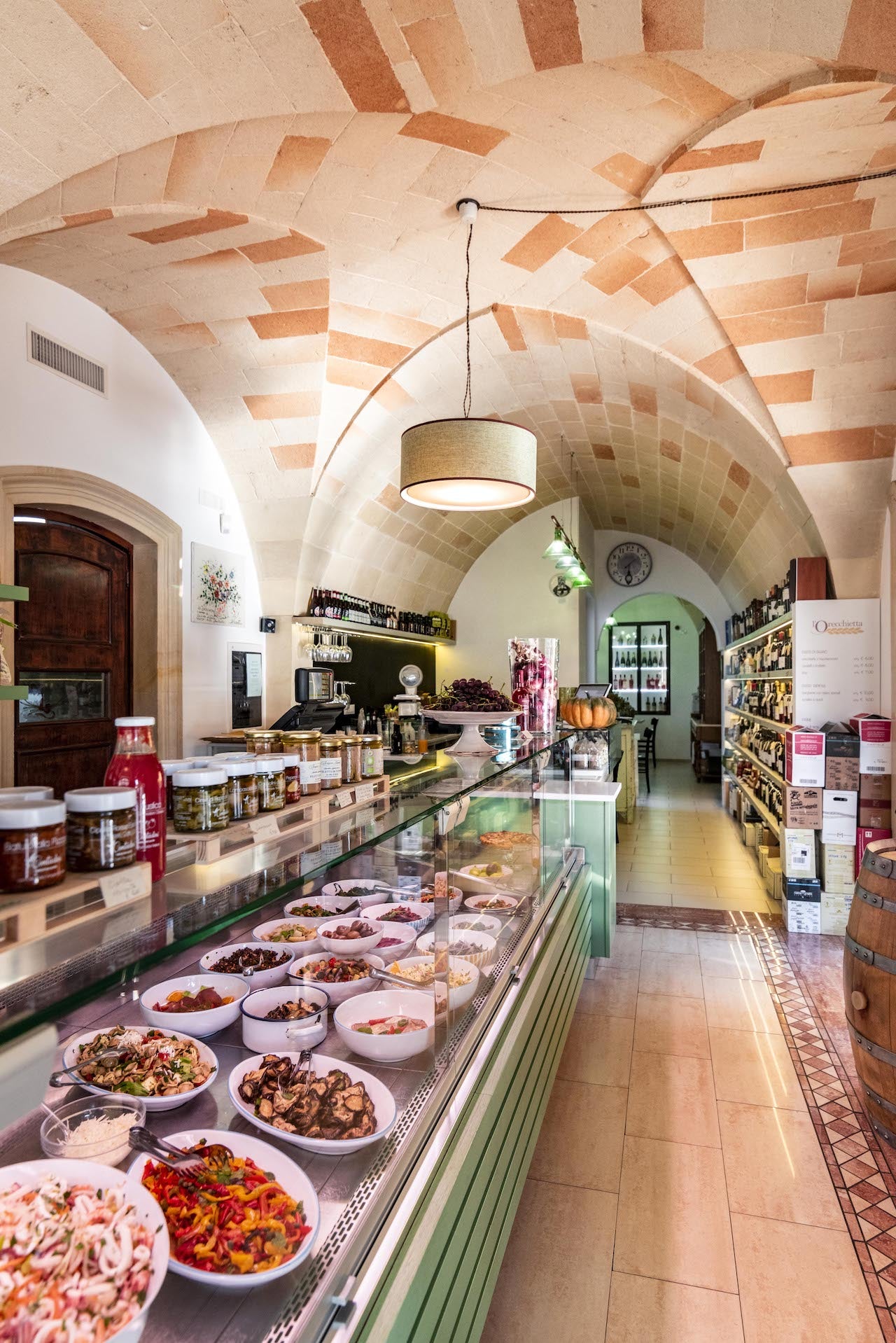
- Drogheria Tesei (Campo de’ Fiori, Rome) – Historic spice shop since 1908, selling Tellicherry and Lampong peppers to the city’s trattorie.
- Emporio delle Spezie (Testaccio) – Small apothecary-style shop specializing in single-estate Indian and Cambodian peppercorns; favorite of young chefs.
- Roscioli Salumeria e Cucina – Not just a restaurant but a philosophy lab: their house blend combines Indian Malabar (for depth) with Vietnamese Phu Quoc (for brightness).
- Antico Speziale Romano (Trastevere) – Family shop blending crushed and whole pepper for “two-stage heat” used in Cacio e Pepe.
These artisans remind us that even an imported spice can become local through ritual and repetition.
Rome didn’t invent pepper; it perfected context.
Fun Facts & Historical Curiosities
- Pepper as Currency: In 408 AD, when the Visigoths besieged Rome, the ransom included 3,000 pounds of pepper.
- The Papal Pepper Tax: For centuries, the Vatican collected “il dazio del pepe,” a levy on every ounce entering Rome.
- Medicinal Lore: Renaissance doctors prescribed pepper wine for melancholy and to “reignite the vital humors.”
- Pepper and Love: In Roman folklore, spilling pepper before a date was good luck — it “warms the conversation.”
- Modern Science: Piperine increases bioavailability of nutrients; it literally makes other foods shine brighter — fitting for Rome, the city of illumination.
Closing Reflection – The Last Word on Taste
Pepper is the Roman signature in every bite — the controlled spark, the elegant warning.
Where chili shouts, pepper converses; where salt insists, pepper suggests.
It’s the flavour of contradiction: foreign yet eternal, hot yet cooling, ancient yet freshly ground every day.
It connects a legionnaire’s ration to a Michelin-star plate, reminding us that civilisation endures through small, measured gestures.
Turn the grinder once over a bowl of pasta, watch the steam carry that dry perfume, and you’ll understand the city’s entire philosophy: everything in Rome begins with heat — but never without control.