Ingredient: Aglione della Valdichiana — the quiet giant of Tuscan flavour
 Aglione della Valdichiana — the quiet giant of Tuscan flavour
the garlic that behaves like it has nothing to prove
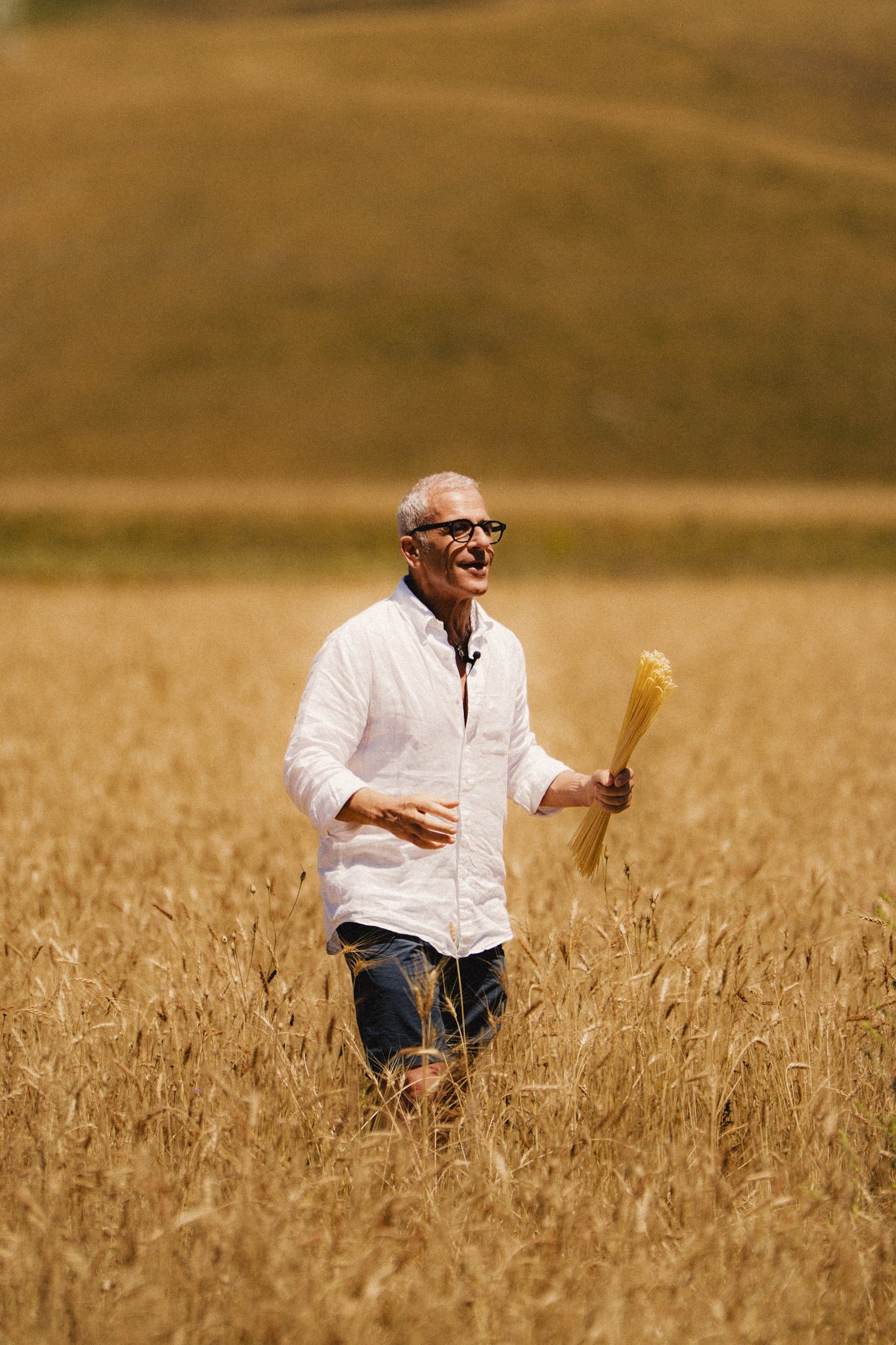
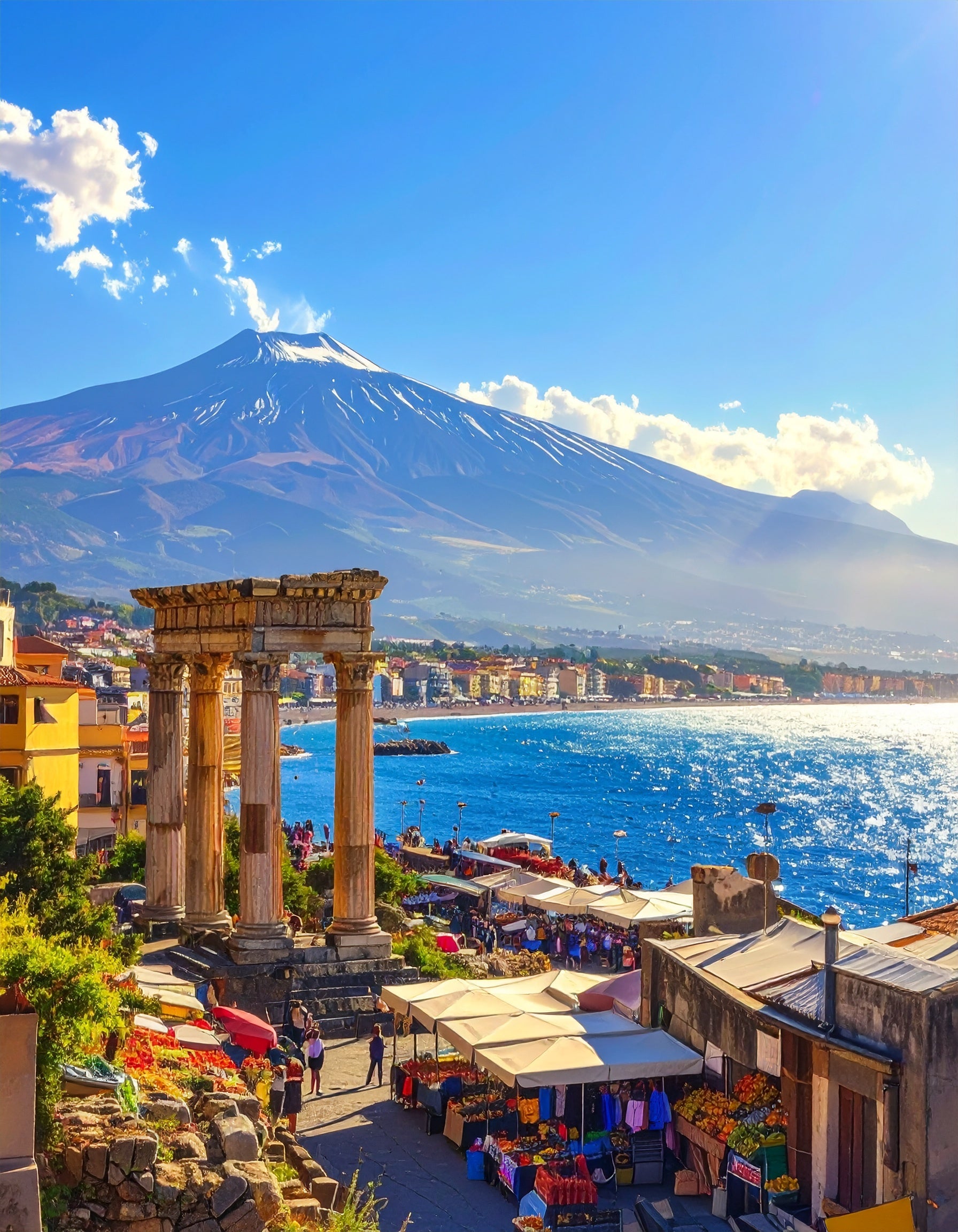
There are landscapes that whisper their identity, and then there’s the Valdichiana — a long, sun-drenched plain stretching across southern Tuscany and northern Umbria, where the world seems to inhale and exhale at a different rhythm. Wheat fields move like slow tides. Bean plants curl upward in lazy spirals. The earth, heavy with clay and memories, smells warm even in winter. Farmers here walk with the unhurried certainty of people who know they don’t need to rush; the land will take its time regardless.
And somewhere in this broad, patient valley grows something that should be impossible: a garlic so gentle it feels like it was designed by a committee of grandmothers. No bite, no bitterness, no morning-after regret. A garlic that refuses to behave like garlic.
This is aglione della Valdichiana — the Tuscan gentle giant.
A bulb you cradle with two hands, with cloves so big they look like they belong in a children’s book illustration of “magical vegetables.” It’s soft enough to crush with very little effort, sweet enough to cook in enormous quantities without overwhelming anything, and elegant enough to make even humble tomato sauce feel like it just took a finishing school course.
Normal garlic is a scrapper.
Aglione is a diplomat — but one with a very firm handshake.
It’s the kind of ingredient that would never raise its voice, yet completely dominates the room the moment it begins to warm in olive oil. You don’t smell it; you feel it. A perfume, not a punch. The cooking space becomes quieter, calmer, as if the ingredient itself were setting the tone.
Outside Tuscany, almost nobody talks about aglione.
Which, frankly, is hilarious — and very Italian.
In a region where Chianti gets the spotlight, bistecca gets the tourists, cinghiale gets the legends, and olive oil gets the reverence, aglione has always been the shy one at the back of the class — the student who never raises a hand but secretly aces every exam.
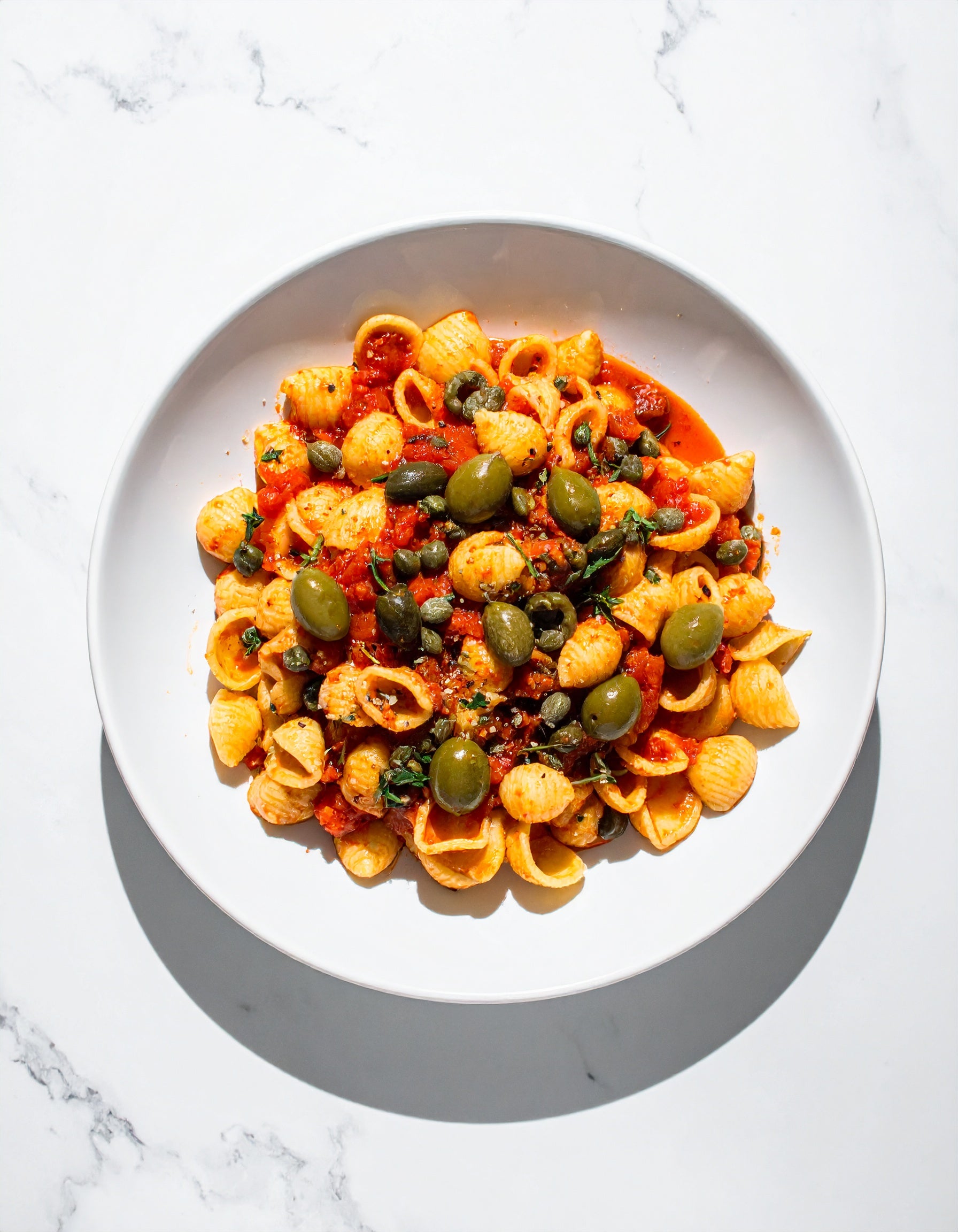
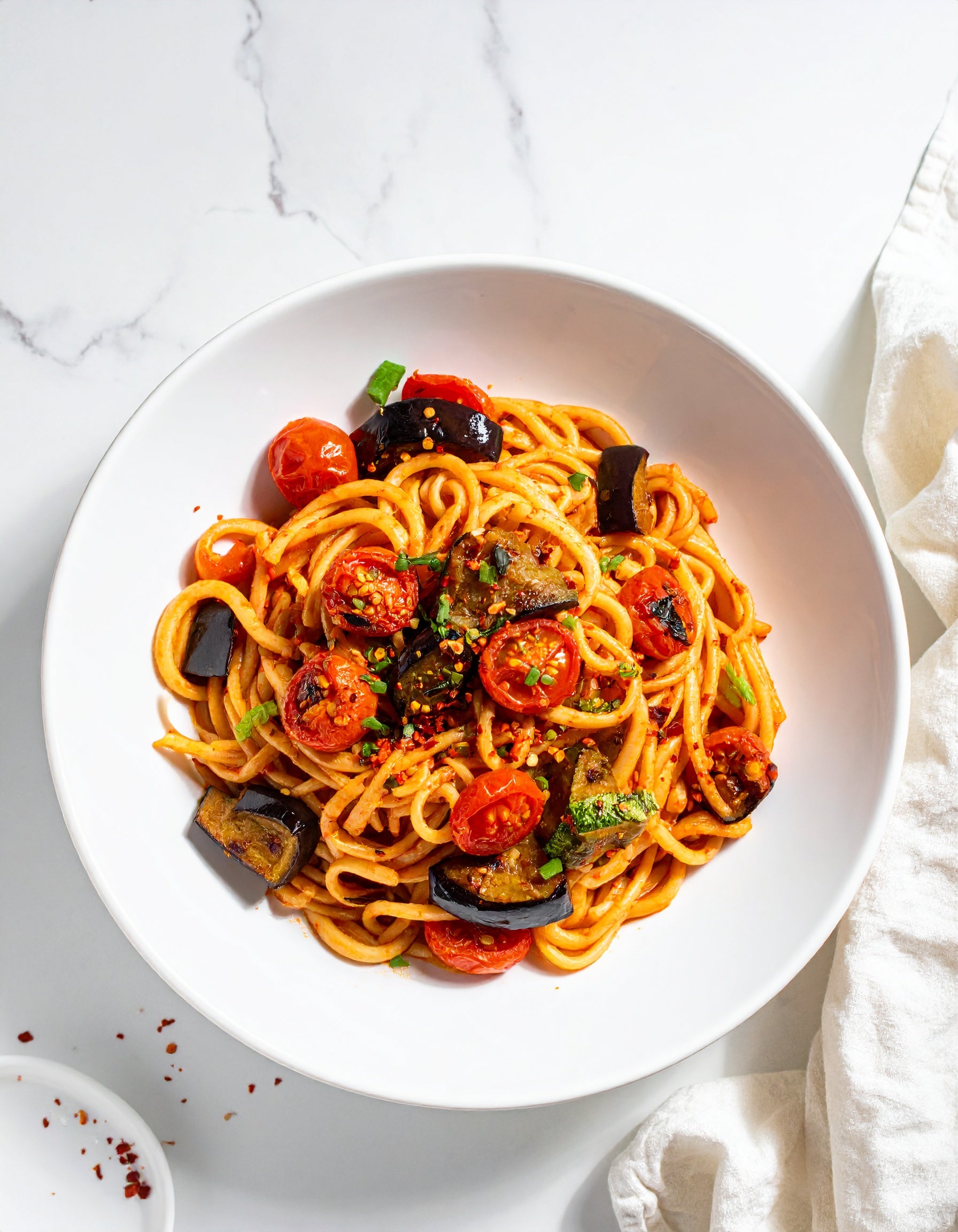
And yet, every cook in the Valdichiana knows: without aglione, the most iconic local dish, pici all’aglione, collapses into a weak impersonation. Aglione is the pulse of the sauce; remove it and the heart stops beating.
Some ingredients shout.
Aglione murmurs — and somehow, everyone listens.
A history older than Tuscany itself
Before Florence and Siena started arguing about everything from borders to banking, before the Medici were even a thought, before Renaissance painters learned how to manipulate light, the Etruscans were already farming in the Valdichiana. And they were already obsessed with alliums.
The soil here, dense and mineral-rich, rewards anything that grows underground. Garlic, onions, leeks — the Etruscans cultivated them with the same devotion that modern Italians reserve for Ferraris and espresso machines.
Aglione appears in records dating back centuries. Farmers planted it because it:
- grew consistently
- stored beautifully through winter
- made poor ingredients taste like rich ones
For a long time, aglione was the house garlic of the valley — the one used in stews, bean dishes, vegetable soups, and a thousand variations of tomato-based sauces. It wasn’t a luxury. It was survival with flavour.
Then came industrial garlic — smaller, sharper, cheaper, more marketable. Aglione nearly vanished. By the late twentieth century, only a few stubborn elders kept planting it. Gardens, not fields. Memories, not markets.
Then Tuscany did what Tuscany does best: revive something ancient as if it had been waiting backstage all along. Chefs rediscovered aglione. Farmers began cultivating it again. And suddenly the region remembered that some ingredients are not replaceable.
Today, aglione stands not as a relic, but as a comeback story — the culinary equivalent of an old musician returning to stage and reminding everyone what real talent sounds like.
What aglione actually is (and isn’t)
Here’s the twist: aglione is not technically garlic.
Not the garlic you know.
Not elephant garlic.
Not a mutation from a science lab.
Botanically, it belongs to a species closer to leeks than to garlic. And that explains everything — the sweetness, the tenderness, the lack of pungency, the buttery texture when cooked, the absence of that savage little after-breath that ruins relationships.
It behaves like an allium that went on a spiritual retreat and returned soft-spoken, introspective, and open to emotional growth.
The flavour: generosity without aggression
Raw, aglione is mild, faintly green, vegetal in a clean, pleasant way. You can nibble it without tears. You can slice it without the kitchen smelling like a battleground.
Cooked, it transforms completely. It becomes creamy, silky, almost luxurious. It melts into olive oil like butter falling into a warm pan. It never dominates. It never steals the spotlight. Instead, it brings coherence — unifying acid, sweetness, heat, and herbs into a single voice.
This is why pici all’aglione works.
Without this softness, the dish loses its story.
How Tuscany actually uses it
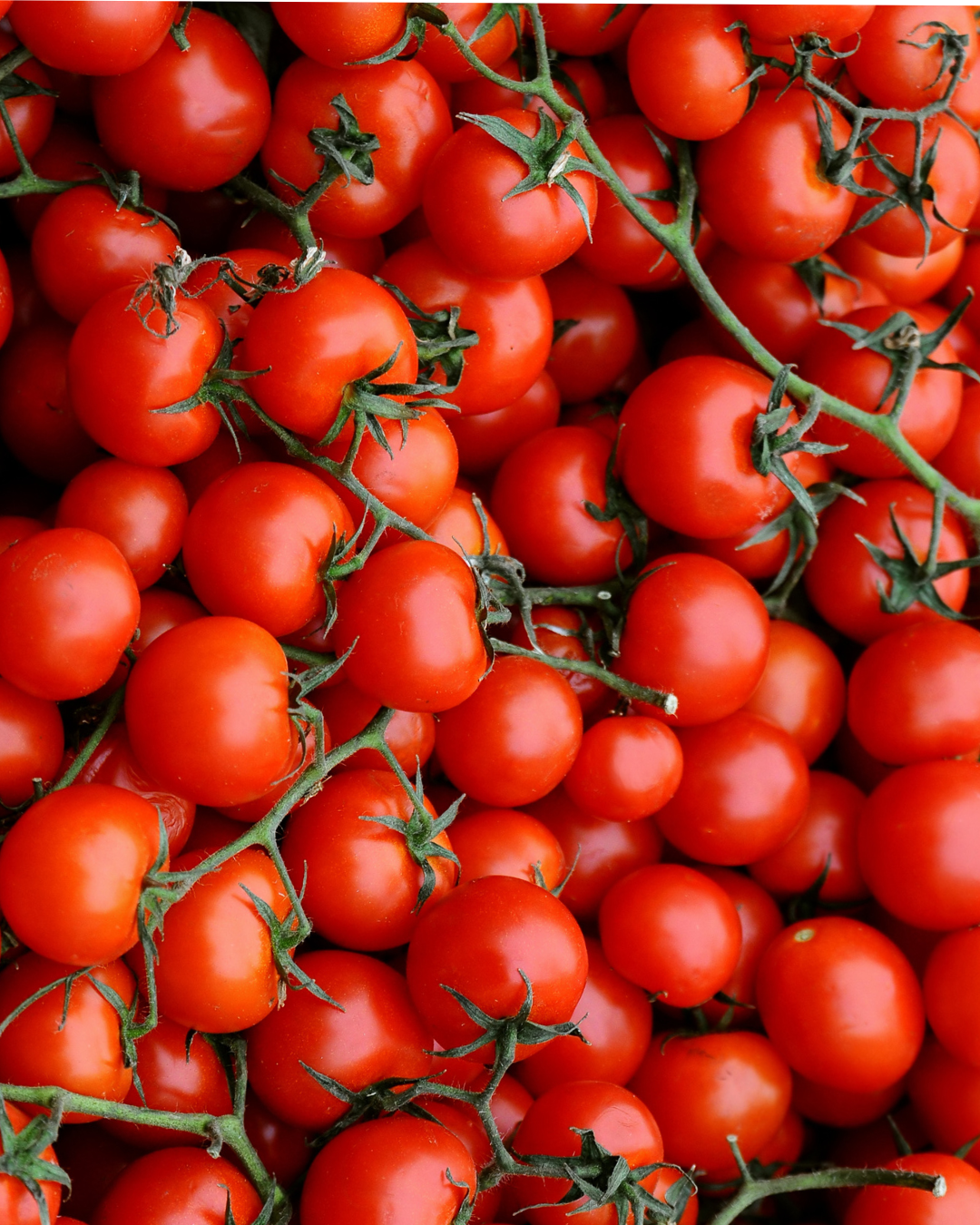
The iconic use is obvious: the Valdichiana-style tomato sauce that clings to pici like a love letter written in red.
But aglione travels across the kitchen:
- It turns bean dishes velvety.
- It softens the edges of long stews.
- It perfumes chickpeas and lentils with a warmth that feels almost maternal.
- It slides into vegetable sauté pans with a grace ordinary garlic never achieves.
- Some families still preserve it whole in olive oil — a winter treasure as subtle as it is addictive.
Aglione is not garlic.
It’s technique wrapped inside a vegetable.
Why chefs adore it
Ask a Tuscan chef why they use aglione and you’ll hear variations of the same answer:
“It lets me cook loudly without the dish becoming loud.”
Aglione does all the things chefs pray for:
- emulsifies without breaking
- creates creaminess without cream
- supports tomato without competing with it
- plays well with wine
- brings depth without harshness
It’s the rare ingredient that makes a cook look like they’re better than they really are. And every chef secretly needs one of those.
Why grandmothers adore it even more
For nonne, the reasons are practical:
It’s easier to peel.
Easier to digest.
Harder to burn.
Impossible to overuse.
And it makes a sauce taste like it was cooked by someone who cares.
Aglione is the culinary equivalent of a dependable grandson: steady, gentle, and always on time.
The taste of a landscape
Aglione tastes the way it does because of the Valdichiana’s peculiar mood:
Clay soil that locks in flavour.
A climate that stresses plants in a productive way.
Scorching summers.
Cold nights.
Dry spells that force the bulb to concentrate sugars.
Hardship, turned to sweetness.
Very Tuscan indeed.
You can almost see it: a bulb sleeping in soil that teaches it patience, heat that teaches it strength, and wind that teaches it humility.
How it’s grown — the ancient, stubborn method
Growing aglione is not complicated, but it requires rhythm. The kind of rhythm farmers have in their bones:
Plant the cloves in autumn when the soil is still warm.
Let winter do its job.
Weed in spring while gossiping with neighbours.
Harvest in early summer, when the fields smell of sunbaked wheat.
Cure the bulbs in the shade until the outer skins rustle like paper.
Braid them into long ropes and hang them from beams like edible rosaries.
No machines.
No drama.
Just land, patience, and time.
How to cook aglione
There is only one universal rule:
aglione does not want aggression.
High heat makes it recoil.
Burning it is a sin punishable by disappointed stares from elderly women.
Instead, give it:
- gentle heat
- long cooking
- moisture
- a place to dissolve, not fry
Slice it thin and let it soften in olive oil.
Crush it into tomatoes and let it melt.
Confit it.
Blend it into sauces.
Never brown it unless you enjoy culinary crimes.
Aglione is meant to dissolve, to become part of the sauce, not to announce itself.
Aglione versus garlic — the only comparison that matters
If normal garlic is a shout, aglione is a conversation.
If normal garlic enters the room slamming the door, aglione knocks politely and brings a bottle of wine.
If normal garlic insists on being the main character, aglione elevates everyone else.
They come from different worlds, and it shows.
Fun facts
-
Locals call it “aglio da bacio” — the kissable garlic.
Not a joke. You can eat a heroic portion of pici all’aglione and still lean in confidently afterwards. No bitterness, no harshness, no next-morning regret. -
A single clove can weigh more than an entire supermarket bulb.
Children in the Valdichiana sometimes grow up thinking garlic everywhere is fist-sized. When they encounter normal garlic later, they feel vaguely cheated by the outside world. -
Farmers judge quality by sound.
A good bulb makes a deep, satisfying thud when tapped with a knuckle. A hollow clink means poor texture, weak flavour, and the kind of disappointment that leads to muttered opinions about weather, neighbours, and fate. -
It lasts almost a year if stored properly.
Braided ropes of aglione decorate Tuscan kitchens like edible calendars. When the braid gets short, it’s time to get the soil ready for planting again. -
Some families still preserve whole cloves in jars of olive oil.
They spread them on bread in winter for comfort, the same way others might reach for butter or cheese. -
Small towns host aglione festivals.
Expect giant bulbs on display, platefuls of pici disappearing at alarming speed, and inevitable jokes comparing the size of aglione to the ego of the local mayor. -
Chefs treat it like a secret weapon.
Some test bulbs by slicing them horizontally and “reading” the interior rings, half superstition, half science — a rustic version of fortune telling performed on garlic flesh. -
It never burns into bitterness.
You can cook it gently for ages and it will remain sweet and silky — the exact opposite of normal garlic, which goes from golden to scorched faster than an inattentive cook can blink. -
It’s one of the few ingredients that can make a room go quiet.
As soon as aglione warms in olive oil, conversation slows. People lean in. They check the pot. They ask who’s coming for dinner. Something ancient stirs in the air.