Artisan: Bio Orto — Where the Earth of Gargano Speaks in Oil and Sun

From a family farm on the windswept slopes of Puglia’s Gargano National Park comes one of Italy’s brightest examples of organic excellence — a brand that bottles sunlight, soil and time itself.
The Land Before the Label
Drive north through Puglia and the scenery changes. The wheat fields give way to wild olive trees, white stone walls, and the steep, sun-bleached ridges of the Gargano promontory — a place where the land seems to rise straight out of the Adriatic.
Here, tucked between mountain and sea, lies the beating heart of Bio Orto.
The Passalacqua family arrived here with an inheritance of work, not wealth. Their story begins generations back, in Abruzzo, where shepherding and transhumance taught them the rhythm of nature: patience, migration, respect for the land. When they settled on the fertile Tavoliere plain of Puglia, they brought that same ethos to farming.
What began as a smallholding of vegetables and olive trees grew — slowly, organically, and quite literally — into one of Italy’s most respected organic farms. In 2002, the Passalacquas founded Bio Orto, an enterprise rooted in craftsmanship and ecological commitment. Within a decade, they had built a modern olive-mill (2016) and a state-of-the-art preserves plant (2017), completing a fully integrated, short supply chain — from field to jar, from tree to tin.
But ask them what they really do, and the answer isn’t about machinery.
It’s about soil, light, and the calm insistence that true flavour takes time.
 A Philosophy Written in the Soil
Bio Orto’s guiding principle is deceptively simple: respect the rhythm of nature.
Every product they grow, harvest, and bottle follows this rhythm — no shortcuts, no chemicals, no compromise.
“A passion for the land and its fruits.
A desire for the authentic flavours of organic farming.
Attention to people’s pleasure and well-being.”
— Bio Orto Manifesto
That might sound romantic, but it’s also fiercely practical. By managing every step of production — cultivation, processing, packaging, and distribution — Bio Orto maintains something rare in modern agrifood: total traceability. The farm knows exactly which field each tomato grew in, which grove each olive came from, and even which day it was harvested.
Their philosophy rests on four core pillars:
- Organic integrity from seed to shelf. No synthetic fertilisers, no pesticides — just soil, compost, and care.
- Short supply chain. Processing happens within hours of harvest, preserving flavour and nutrients.
- Innovation meets tradition. Technology ensures freshness, but decisions still honour ancestral farming knowledge.
- Family stewardship. Every major decision — from planting varietals to export strategy — is guided by the Passalacquas.
This union of family and farm, of land and innovation, has made Bio Orto a benchmark for what Italian organic produce can be.
 The Gargano Advantage
The secret of Bio Orto’s flavour lies not only in how they grow, but where they grow.
The Gargano peninsula is a geological paradox: mountain, forest, and coast compressed into one landscape. Its microclimate — sun-drenched days, cool nights, and mineral-rich groundwater — gives plants the stress and strength that translate into flavour.
The soil here, light and calcareous, drains quickly. Winds off the Adriatic prevent mould. And the slow seep of spring water from the mountains infuses minerals that add depth to everything grown here.
Olives from these slopes develop intense, peppery notes; tomatoes ripen with natural sweetness and low acidity. Farmers say the region produces “fruits that taste of sea and stone.”
For Bio Orto, this terroir is not a backdrop — it’s a collaborator. Every jar and bottle tells you where it came from, and the company proudly labels its cultivars and origins.
It’s a kind of quiet transparency that recalls an older Italy: one where names of villages and fields mattered as much as brands.
 Craft, Control, and Care
Bio Orto’s craft is built on a paradox: the scale of a modern company with the soul of a farmer’s market.
Each olive, vegetable, and fruit is hand-picked or mechanically harvested at precise maturity. The produce is immediately cooled, washed, and processed — often within a few hours. This short time from field to jar is what preserves that distinctive brightness of flavour.
Their olive mill, opened in 2016, allows full control of oil extraction. Using continuous-cycle systems and cold pressing under controlled temperature, they produce extra virgin oils of exceptional quality — low acidity, high polyphenols, unmistakable aroma.
Their preserves plant (built 2017) applies similar discipline. Tomatoes are blanched, peeled, or pressed within the same day of picking. No additives, no concentrates, just salt, basil, and a drizzle of their own oil.
This meticulous care doesn’t slow them down; it defines them. Bio Orto has managed to keep industrial efficiency without industrial taste — an achievement that many “big organics” lost along the way.
 The Products — Essence of the South
If you’ve never tasted Bio Orto, start with their olive oil. It’s the brand’s heartbeat.
Monocultivar Olive Oils
- Peranzana – balanced, elegant, slightly spicy. A “grand cru” olive oil with notes of green almond and artichoke; ideal for pasta and fish.
- Coratina – robust, peppery, deeply Puglian. The oil for those who like strength and persistence.
- Ogliarola – gentle and floral, the kind of oil that turns a bruschetta into poetry.
Each is bottled in minimalist black-and-white glass, or offered in innovative bag-in-tube formats that preserve freshness and reduce waste — a nod to both tradition and design.
Tomatoes & Preserves
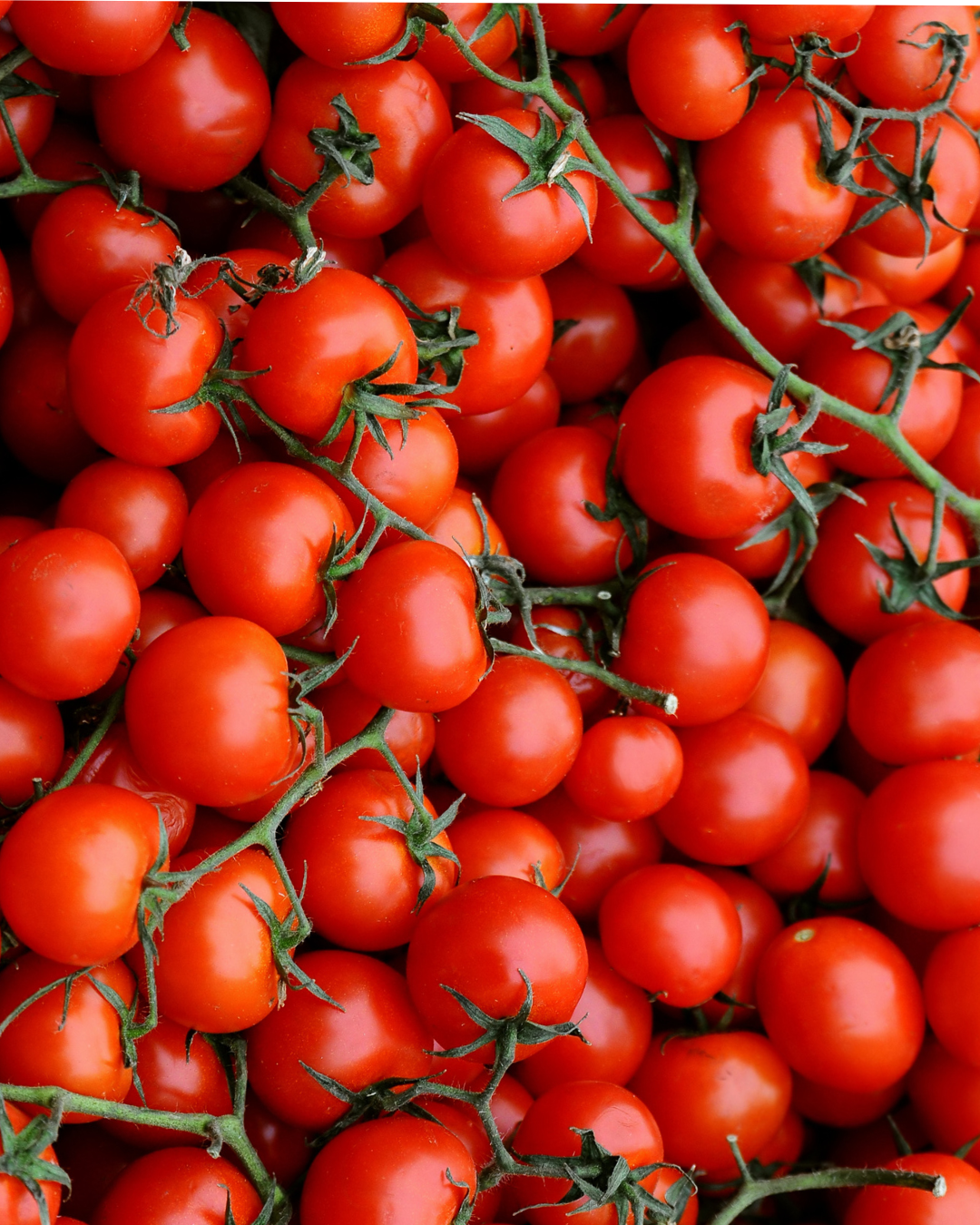
Their tomatoes are small miracles of restraint. Whole peeled Datterini rossi, golden Datterini gialli, smooth passata di pomodoro, and sun-dried tomatoes in oil — all grown on the same land, all processed within hours. The sweetness of their tomatoes is legendary, owing to the Gargano’s high mineral content and the farm’s no-irrigation discipline.
They also craft pestos and vegetable creams — broccoli, courgette, or artichoke — where olive oil replaces dairy, creating plant-based, naturally rich condiments that taste like home cooking elevated.
Jars of sunshine, you might call them.
Elegant enough for Michelin kitchens, honest enough for nonna’s table.
 When Pasta Meets Bio Orto
Few ingredients understand each other better than pasta and Bio Orto.
Because both are born of patience — flour and time, seed and sun.
A few pairings to bring their products to life:
- Spaghetti al Pomodoro Bio Orto — simplicity at its finest. Their passata di Datterini is so naturally sweet you need only garlic, oil, and a tear of basil.
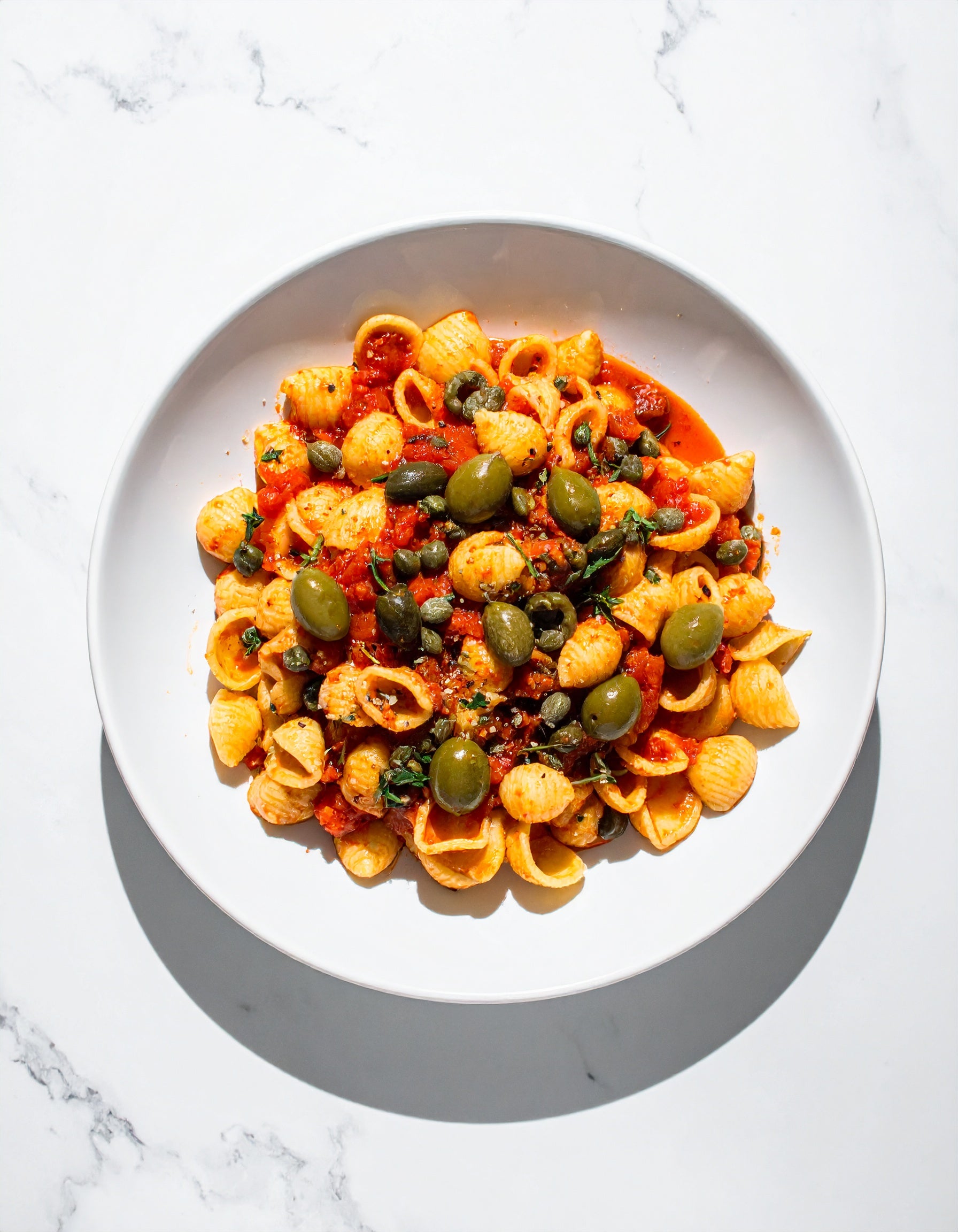
- Orecchiette with Cime di Rapa and Bio Orto Coratina Oil — the local classic elevated by an oil that amplifies bitterness and spice.
- Linguine with Sun-Dried Tomato Cream — toss with their crema di pomodori secchi and a handful of breadcrumbs for Salento in a bowl.
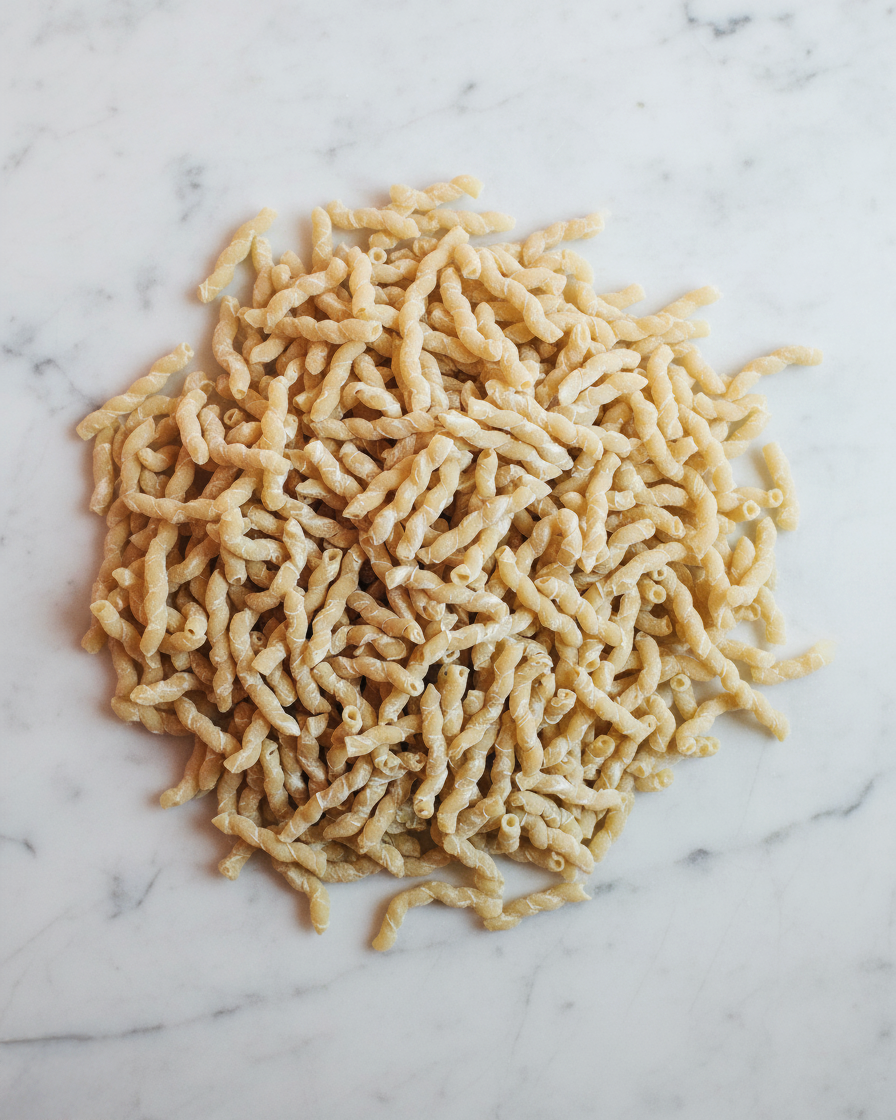
- Fusilli Primavera — courgette cream, mint, and a drizzle of Ogliarola; fresh, green, and light.
- Penne all’Arrabbiata — made with their sugo pronto piccante, which balances heat with sweetness in perfect southern temperament.
These are not luxury products pretending to be rustic. They’re rustic products elevated to luxury through honesty and design.
The Design of Integrity
Open a Bio Orto jar and you’ll notice something before you even taste it: design.
Minimalist labels, black type on white, embossed detail — a kind of Mediterranean Bauhaus. It’s not a coincidence. The aesthetic is part of the company’s belief that simplicity is elegance, and that organic doesn’t have to mean “rough.”
But design here is also ethical. Their packaging is fully recyclable; their production powered increasingly by renewable energy. The bag-in-tube oil packaging, beyond being sleek, protects the oil from oxidation and light — reducing waste and maintaining quality for months after opening.
The message is clear: beauty, like flavour, should serve longevity and respect for the planet.
Recognition and Reach
Over the last decade, Bio Orto has grown from a family farm to an international ambassador of Italian organic produce.
Their olive oils have won multiple gold awards at the NYIOOC World Olive Oil Competition, and their tomato preserves feature in high-end retailers across Europe and North America. Yet, despite this reach, they have resisted the temptation to outsource or dilute their identity.
Exports now reach more than 40 countries, but every bottle still comes from the same Gargano soil. Their control of the entire production chain allows them to scale responsibly — a rare feat in the world of global organics.
For many importers, Bio Orto represents the new Italian standard: certified organic, beautifully designed, yet unmistakably authentic.

The Future — Growing with Respect
When asked about the future, the Passalacquas speak not of expansion, but evolution.
Their goal is to deepen, not widen — to explore new cultivars, experiment with regenerative agriculture, and integrate renewable energy across all facilities.
They imagine an even closer harmony between farm and ecosystem: bees, wildflowers, and biodiversity working alongside machinery and measurement. “Excellence without borders,” they call it — but always with roots sunk deep in Puglia’s earth.
In a food world obsessed with speed, Bio Orto’s quiet pace feels almost radical. They remind us that sustainability isn’t a buzzword; it’s a return to sanity.
Why Bio Orto Matters
For those of us who live and breathe Italian food — chefs, importers, home cooks, pasta lovers — Bio Orto is more than a brand.
It’s proof that the old virtues of craftsmanship can thrive in modern form. That a jar of tomatoes or a bottle of oil can carry an entire landscape within it. That beauty, taste, and ethics don’t have to compete.
In an age of imitation, they stand for authenticity with elegance.
In an age of industrial agriculture, they prove organic can mean excellence, not compromise.
And in a world of labels and noise, they whisper the one message that matters: good things take time.
Fun Facts — Because Every Good Story Needs a Few
- The name Bio Orto literally means “Organic Garden.”
- Their olives are picked both by hand and by small shakers, to minimise tree stress.
- The Gargano region’s mineral water is said to give the tomatoes their “sweet saltiness.”
- Their first exports went to Japan — one of the hardest markets for organic certification.
- Each “Grand Cru” oil batch is traceable to a single grove and harvest.
- The family dog, a Maremmano shepherd, still patrols the olive groves at night.
- Their jars are printed locally in Foggia, supporting small Italian suppliers.
Closing Thoughts
There are many ways to tell the story of Bio Orto: as a business case, a design success, a sustainability model. But perhaps the simplest is this: a family who never forgot that flavour begins with care.
If you ever open one of their jars — a tomato passata glowing like liquid sun, or a bottle of oil that smells faintly of artichoke and green almond — pause for a second.
That taste is the Gargano speaking.
And Bio Orto, patiently, faithfully, has given it a voice.